

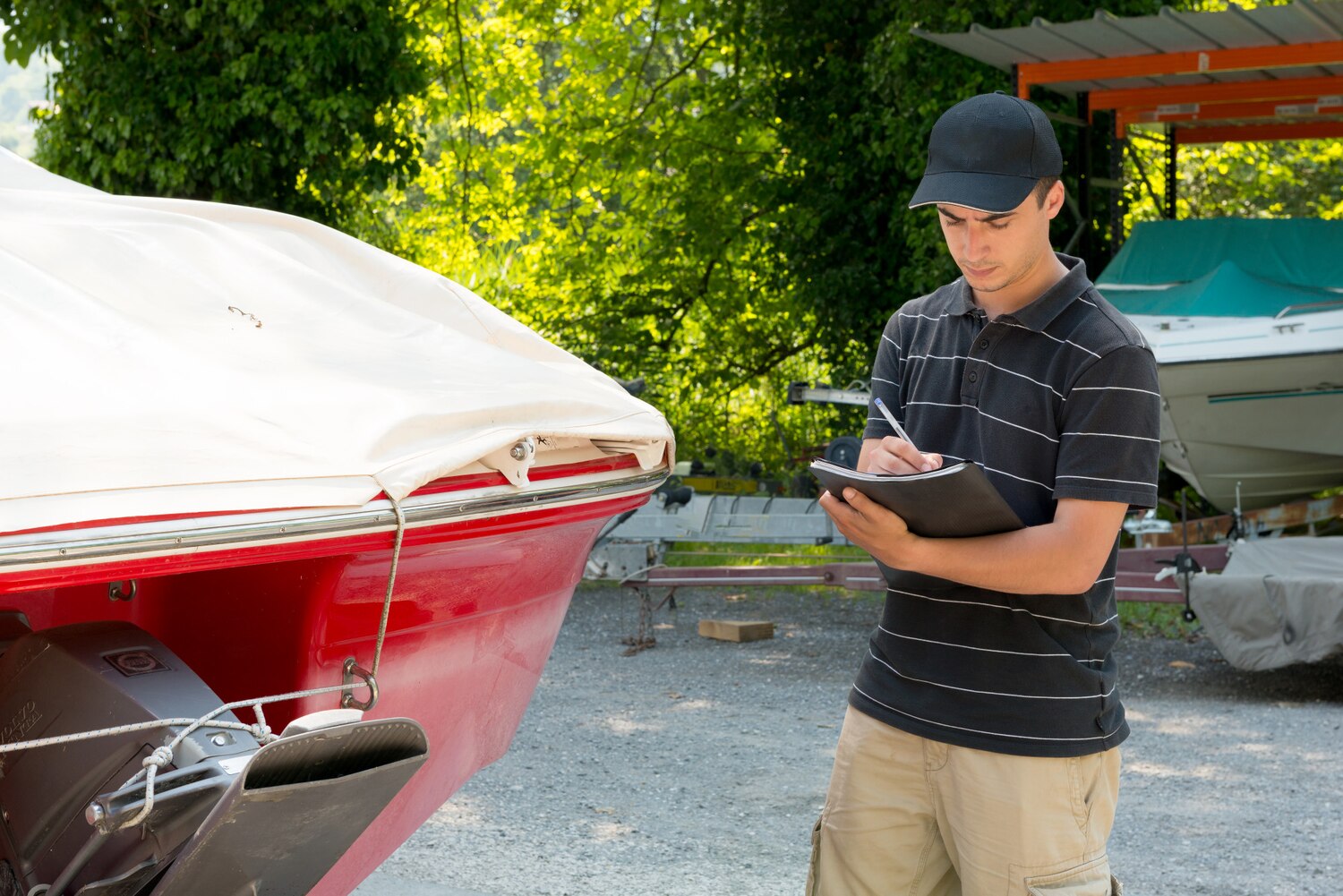
Introduction: The Moment Every Galveston Boat Owner Dreads
In Galveston, boat damage can go from “minor” to “devastating” fast—one hard docking in a crosswind, a surprise squall in the bay, or storm surge after a Gulf system. After the initial shock, most owners ask the same question: will the insurer repair the boat, or call it a total loss? The answer isn’t based on vibes or a quick glance. It’s a numbers-driven decision that weighs repair cost, the boat’s value, and what the insurer can recover through salvage. This article breaks down how the decision is made in Galveston and what you can do to get a fair, well-supported outcome.
Context And Background: Why Total Loss Decisions Happen More Often Near The Coast
Coastal claims around Galveston often involve water intrusion, corrosion, and impact damage—problems that can hide behind fiberglass, under decks, or inside wiring harnesses. Saltwater accelerates damage, and even a brief submersion can turn into a long list of electrical and mechanical replacements once a shop starts disassembly. Add in limited repair capacity after major weather events, parts backorders for certain outboards, and higher labor rates during peak season, and the repair estimate can climb quickly. Insurers also factor in market value shifts: what similar boats sell for locally and regionally matters. That’s why understanding the process upfront helps you avoid surprises and keep your claim moving.
Main Point 1: The Core Math Insurers Use (Actual Cash Value, Agreed Value, And Thresholds)
Most total loss decisions start with a simple comparison: what it costs to repair the boat versus what the boat is worth under the policy. If you have an agreed value policy, the “value” is typically the amount listed in the declarations (subject to policy terms). If you have actual cash value, the insurer estimates pre-loss value using age, condition, options, and comparable sales. Then they compare that value to the repair estimate plus related costs like haul-out, storage, and sometimes tear-down. Many carriers use an internal threshold where a boat becomes a constructive total loss when repairs approach a high percentage of value. The exact percentage varies by insurer and situation, but the concept is consistent: once repairs no longer make economic sense, total loss becomes likely.
Main Point 2: Repair Estimates, Hidden Damage, And Why Tear-Down Matters
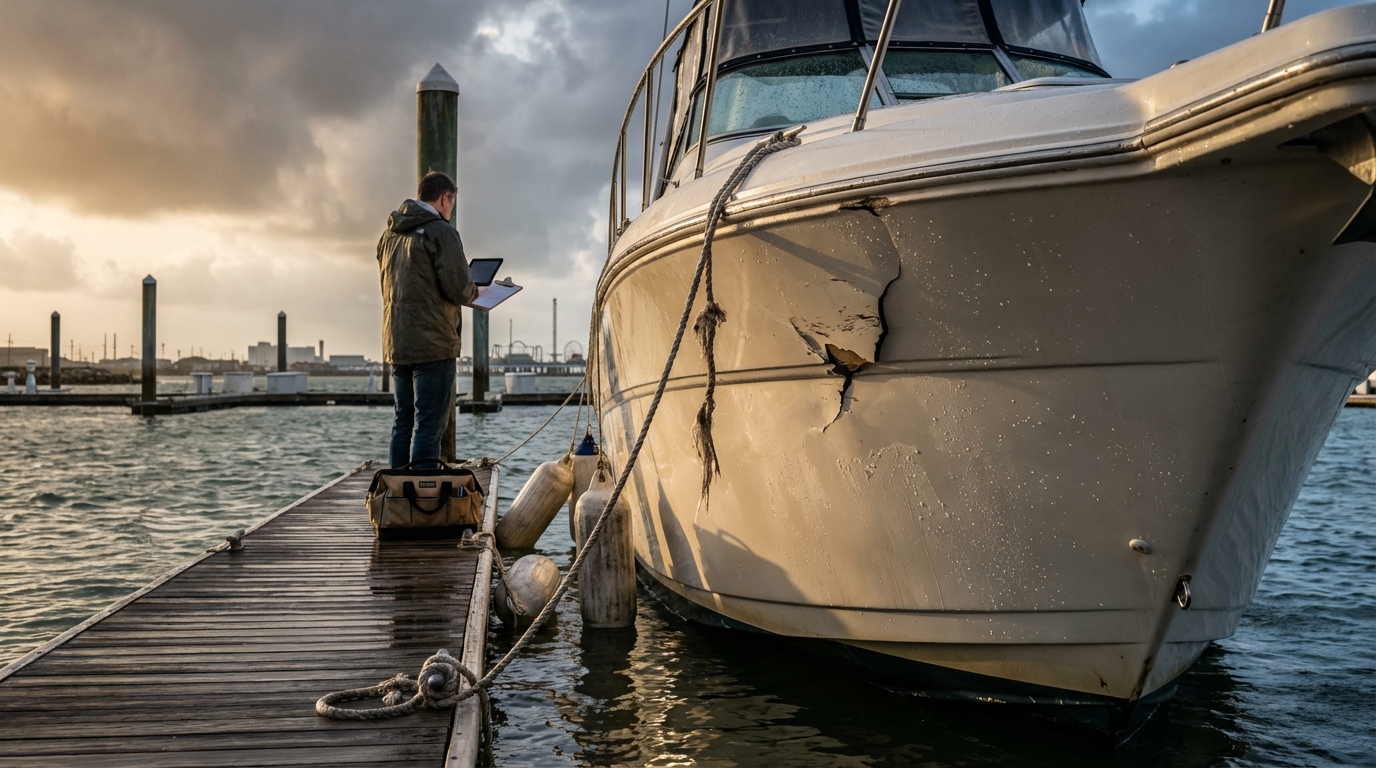
A common frustration is seeing an early estimate that looks “reasonable,” then watching the number climb. That’s often because the first estimate is a visual inspection, not a full diagnosis. In Galveston-area claims, hidden damage is a frequent driver: wet foam, delamination, bent stringers, damaged transoms, compromised steering systems, or electrical corrosion that doesn’t show until components are tested. Shops may need authorization for tear-down to confirm the scope, and supplements are normal as new damage is discovered. For owners, the best move is to push for a thorough inspection early, especially after grounding, collision, or any water intrusion. A detailed, itemized estimate with photos and parts/labor breakdown reduces disputes and speeds approval.
Main Point 3: Salvage Value And Owner Retention—The Part People Miss
Salvage value is the amount the insurer expects to recover by selling the damaged boat, motor, trailer, or parts after paying a total loss. In practice, salvage can be meaningful for popular hulls, newer outboards, electronics, and trailers—even if the boat is not seaworthy. That salvage recovery changes the insurer’s net cost and can influence whether a repair is approved or a total loss is declared. You may also hear about owner retention, where you keep the salvage and the settlement is reduced by the salvage value. This can make sense if you want to rebuild, part out, or keep the trailer, but it comes with responsibilities: title/registration considerations, storage, and making sure the boat isn’t represented as seaworthy without proper repairs.
Local Relevance: Galveston-Specific Factors That Affect Timelines And Outcomes
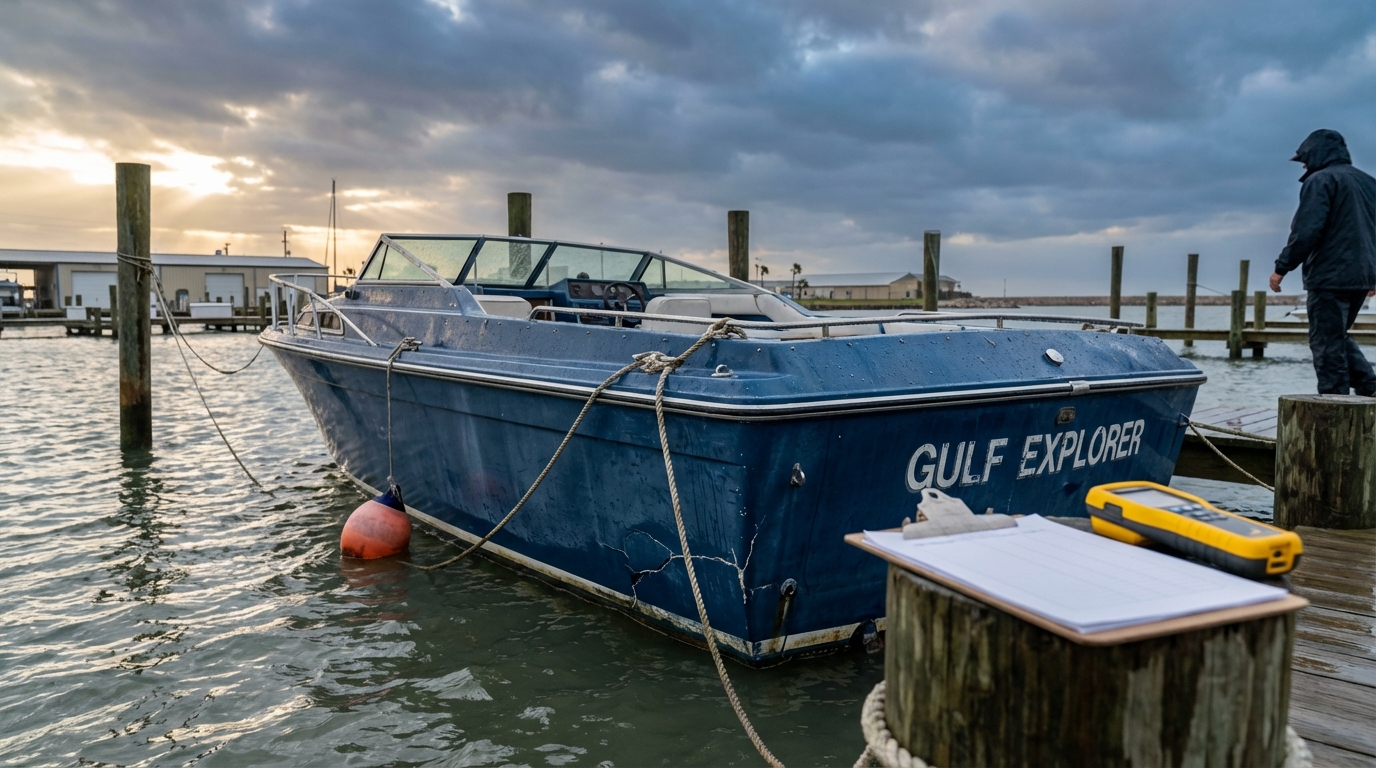
In Galveston, timing and storage can become part of the claim story. After busy weekends or storm events, local marinas and repair facilities can be booked out, and haul-out or yard storage fees may accumulate while the adjuster, shop, and owner align on scope. Salt exposure around the bay and Gulf can also increase the likelihood that an adjuster requests more documentation for electrical and mechanical components. If you boat near Texas City, Clear Lake, or League City, the mix of busy channels, wakes, and docking conditions can lead to impact damage that looks cosmetic but hides structural issues. The more you document where and how the loss happened—photos, GPS location, weather conditions, and immediate steps taken to mitigate damage—the easier it is to support the correct repair plan or total loss decision.
Key Takeaways To Improve Your Claim Outcome
- Document pre-loss condition now: Take dated photos of the hull, transom, bilge, engine hours, electronics, trailer, and any upgrades. Store receipts for repower, electronics, canvas, and maintenance.
- After a loss, prevent additional damage: Secure the boat, stop water intrusion if safe, and keep a log of mitigation steps. Many policies expect reasonable protection from further damage.
- Get an itemized estimate: Ask the shop for parts/labor breakdown, photos, and a clear explanation of what requires tear-down. Vague estimates often lead to delays and disputes.
- Understand your value basis: Know whether your policy is agreed value or actual cash value, and be ready to support condition and comps if value is debated.
- Ask about salvage and options: If total loss is on the table, discuss owner retention, salvage deductions, title/registration implications, and what happens to accessories and the trailer.

Next Steps: How To Prepare For A Fair Settlement In Galveston
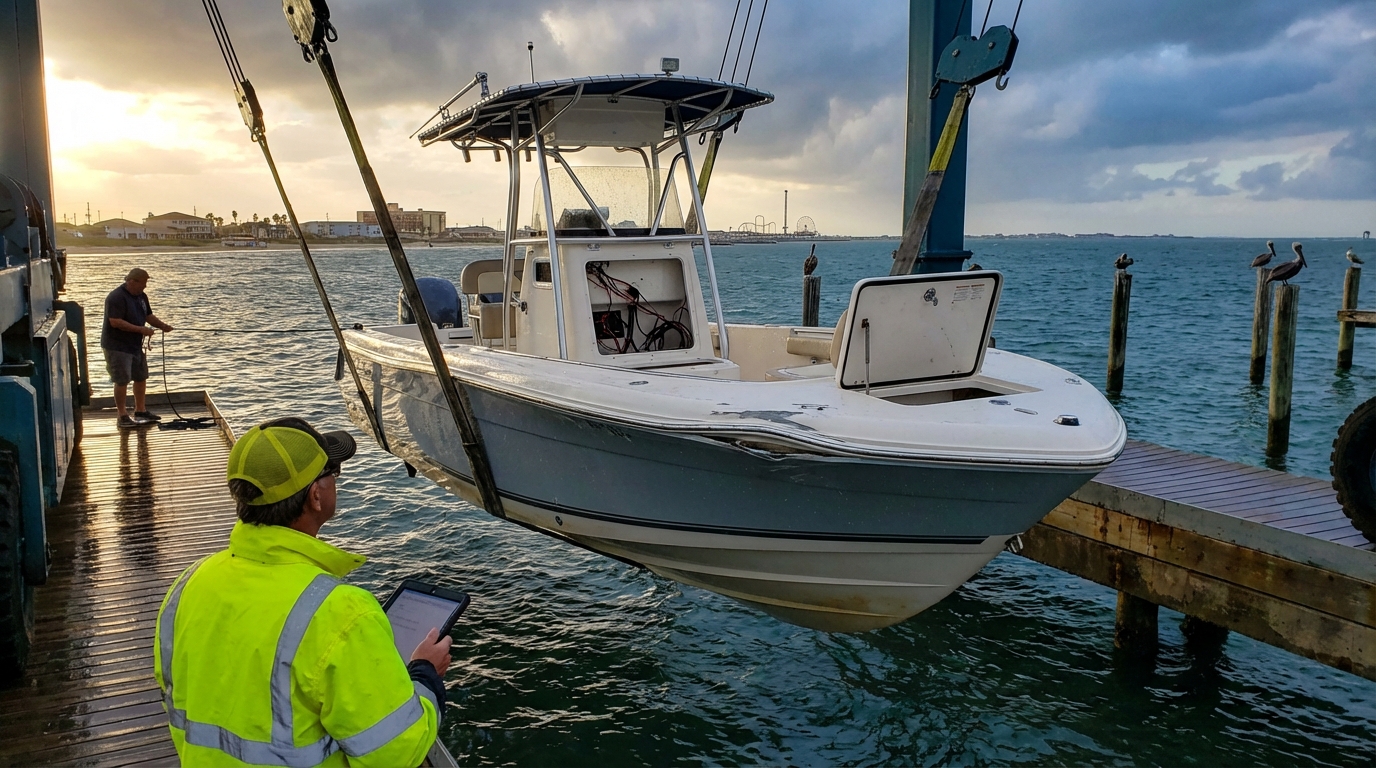
If you’re mid-claim, start by organizing a clean file: pre-loss photos, receipts for upgrades, maintenance records, and a short timeline of what happened. Ask the repair facility for a complete estimate and whether tear-down is needed to confirm hidden damage. If value is being debated, gather comparable listings and be ready to explain condition and equipment (electronics, T-top, power upgrades, trailer type). If total loss is likely, request a clear explanation of the settlement calculation, including deductible, depreciation if applicable, and how salvage is handled. For Galveston boat owners, working with a local agency that understands coastal risks can help you choose policy terms—like agreed value and appropriate limits—that reduce surprises when a claim happens. The O'Donohoe Agency can help you review your coverage and clarify what to expect before the next outing.
Want Clarity On Your Coverage Before The Next Claim?
If you’re unsure whether your policy supports repair costs, agreed value, or the kind of storm and water damage we see around Galveston, we can help you review options and get a quote that fits how you actually boat.
Get My Quote