

What is Wreckage Removal Coverage?
Wreckage removal coverage is a specific component of a boat insurance policy that pays for the costs associated with removing your vessel if it sinks, is badly damaged, or becomes a navigational hazard. This is not a standard inclusion on all policies, but it's a critical one. If your boat goes down in a marina, a channel, or even at your private dock, you are legally responsible for its removal. The process involves specialized salvage equipment, environmental protections, and proper disposal, which can quickly add up to tens of thousands of dollars. Without this coverage, you would be personally liable for the entire bill, turning a tragic loss into a financial catastrophe. This protection ensures that a terrible day on the water doesn't lead to years of financial hardship.
Why You Need It in Galveston, TX
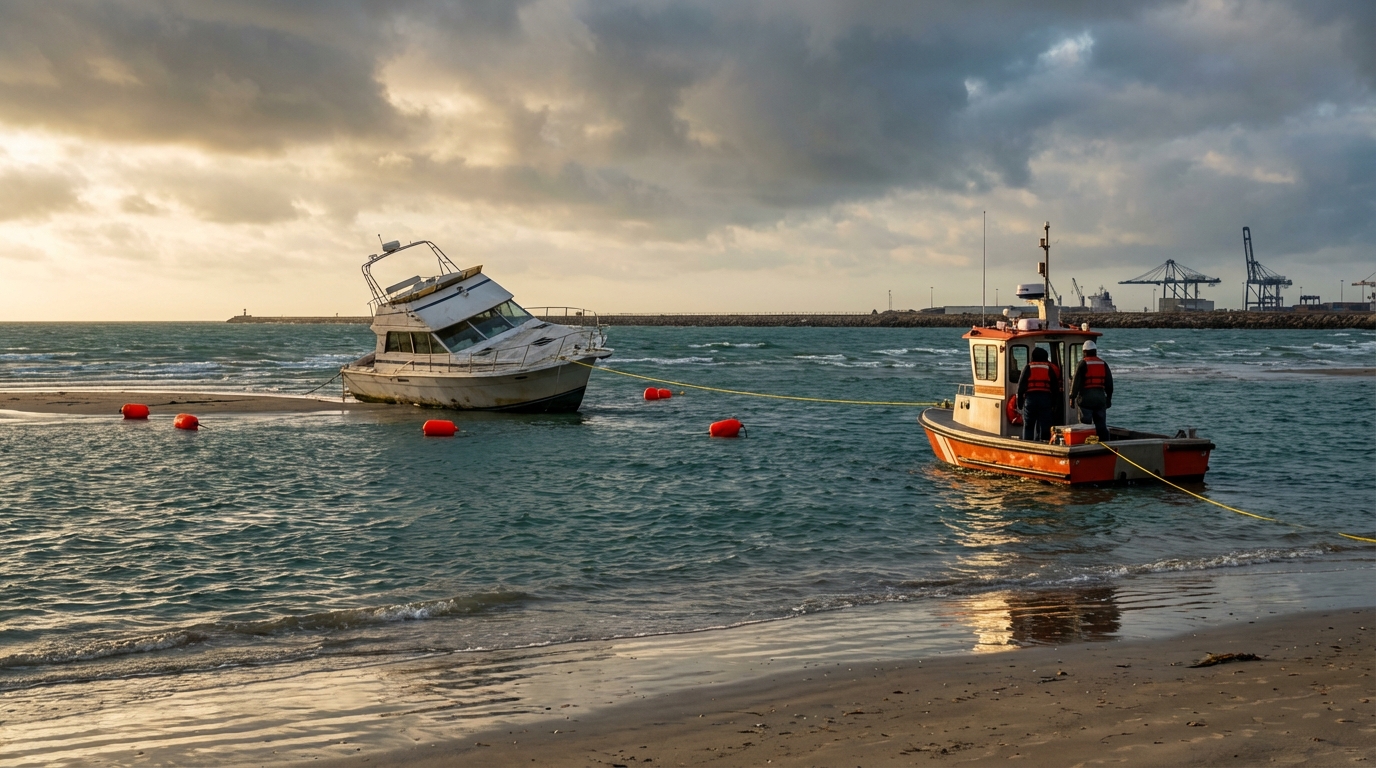
Boating in Galveston presents a unique set of challenges that make wreckage removal coverage particularly vital. Our local waterways, from the busy Galveston Ship Channel to the shallow and shifting sands of West Bay, are full of hazards. Sudden squalls, strong tidal currents, and submerged objects can lead to accidents. A boat can sink quickly, and local, state, and federal authorities, including the Coast Guard and the Galveston County Sheriff's Office, will order its immediate removal to keep channels safe for commercial and recreational traffic. The cost of a salvage operation in these dynamic waters is higher than in a calm lake. Furthermore, environmental regulations in the Galveston Bay ecosystem are strict, and you could face additional fines if fuel or oil leaks from your wreck. This coverage protects you from all of these location-specific financial risks.
What This Coverage Actually Pays For
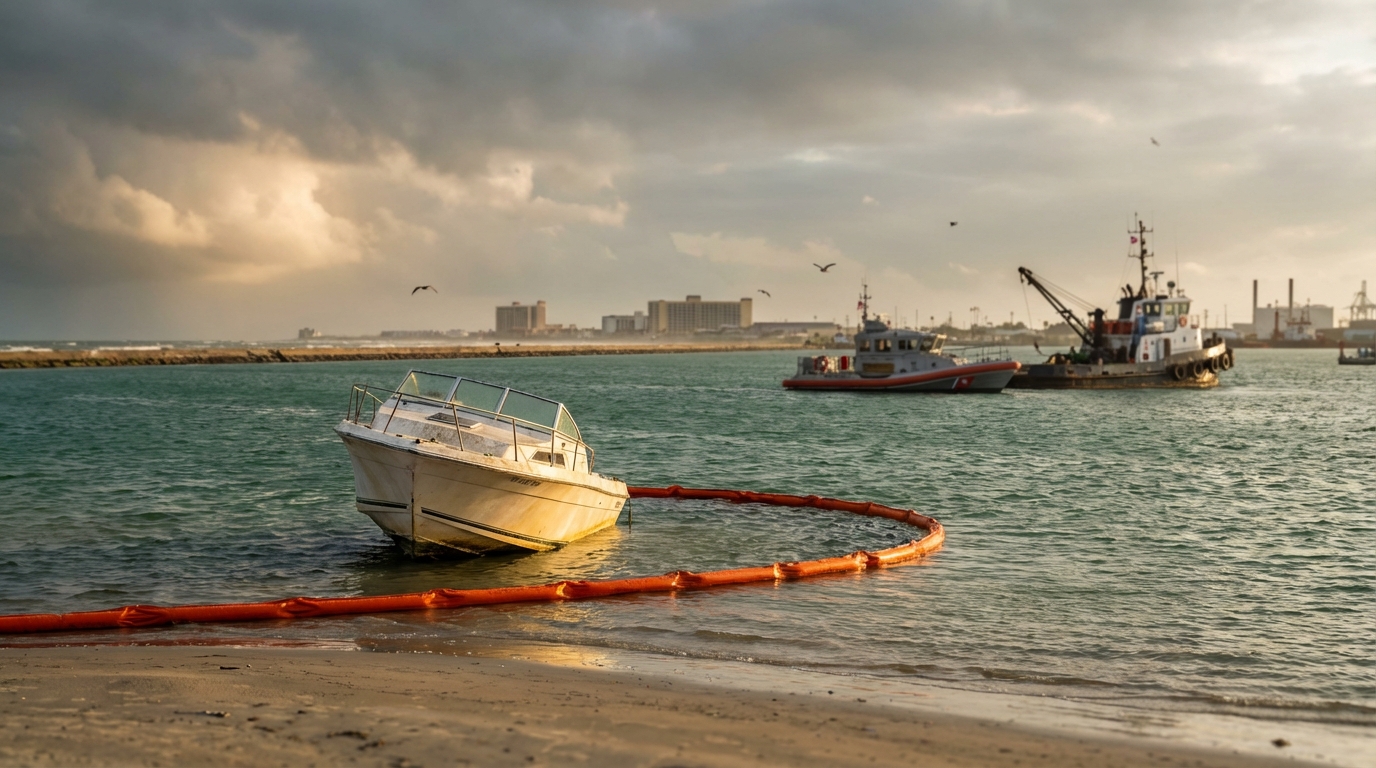
This coverage is comprehensive and designed to handle the entire aftermath of a major loss. It pays for locating, raising, and removing your sunken or wrecked boat from the water. The policy will cover the cost of specialized marine salvage companies, their equipment like cranes and barges, and the labor involved. It also covers the transportation of the wreckage to a disposal or repair facility and any fees associated with its legal disposal. Critically, it can cover the cleanup of any spilled fuel, oil, or hazardous materials, which is a major environmental concern. Some policies may even cover the cost of marking the wreck site with a buoy to warn other boaters until removal is complete. Essentially, it handles the entire process from the moment your boat goes down until the site is cleared.
Key Protections of Wreckage Removal Coverage
- Pays for locating and raising a sunken or wrecked vessel from Galveston Bay and nearby waterways.
- Covers the cost of environmental cleanup for fuel and oil spills, meeting Texas and federal requirements.
- Handles transportation and proper disposal fees for the damaged vessel.
- Protects your personal assets from liability claims if your wreck damages a marina or another boat.
- Provides peace of mind knowing you comply with legal obligations to keep navigable waters safe.

Factors That Affect Your Wreckage Removal Rates
Several factors influence how much you'll pay for this coverage as part of your boat insurance policy in the Galveston area. The type, size, and value of your boat are primary considerations; a larger, heavier vessel in deeper water will cost more to salvage. Your primary boating location is a major rating factor. Operating a boat in the open Gulf of Mexico or the busy Houston Ship Channel presents a higher risk than staying in the protected canals of Clear Lake, which can affect your premium. Your boating experience and claims history also play a significant role. The coverage limit you choose is a direct factor, and it's important to select a limit that realistically reflects the potential cost of a major salvage operation in our area. At The O'Donohoe Agency, we help you assess these factors to find the right balance of protection and price.
How a Wreckage Removal Claim Works
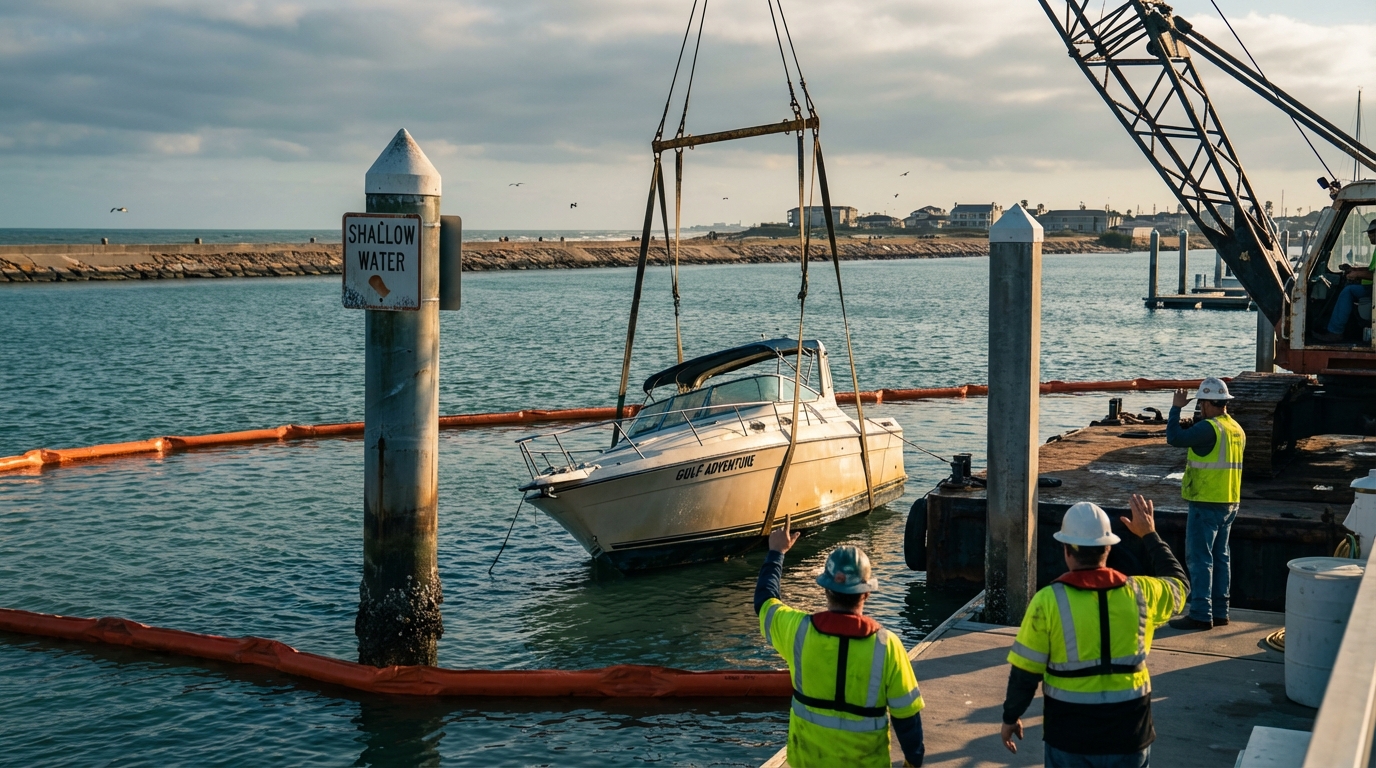
The claims process begins the moment an incident occurs. Your first step is to ensure everyone's safety and then immediately report the loss to your insurance company and the proper authorities, such as the U.S. Coast Guard and the Texas Parks and Wildlife Department. You will need to document the situation with photos and notes if it's safe. Once your claim is filed, your insurer will typically dispatch a marine surveyor or adjuster to assess the wreck site. They will work with a pre-approved salvage company to develop a removal plan. The insurance company directly manages the salvage operation and pays the associated costs up to your policy's limit. Your primary out-of-pocket expense will be your deductible. The entire process is managed to ensure compliance with all environmental and navigational regulations, allowing you to focus on moving forward.
Common Misconceptions About Removing a Wreck
One of the most dangerous misconceptions is that a standard boat insurance policy automatically includes wreckage removal coverage. This is often false; it's frequently an optional add-on, and assuming you have it can be a grave error. Another myth is that if your boat sinks, you can just abandon it. You cannot. As the legal owner, you are financially responsible for its removal and any resulting environmental damage, regardless of the boat's value. Some boaters also mistakenly believe that their liability-only policy will cover removal costs. Liability coverage typically only pays for damage you cause to others, not the removal of your own property. Finally, many underestimate the sheer cost, thinking it's a simple tow. A professional salvage operation in a tidal environment like Galveston Bay involves complex equipment and expertise and can easily cost more than the boat itself was worth.
Choosing the Right Level of Protection
Selecting an adequate coverage limit is a crucial decision. You should not base it on the current market value of your boat, but on the potential cost of a worst-case-scenario salvage operation. Get estimates from a marine salvage company or speak with a knowledgeable agent to understand what raising and removing a vessel of your size would cost in the Galveston area. Consider the most expensive location you boat in; a salvage in the deep waters of the Gulf is far pricier than one in a shallow marina. The limit should also account for environmental cleanup costs, which can be astronomical. It is often wise to select a limit that is a separate, dedicated amount for wreckage removal, rather than a portion of your overall hull coverage, to ensure the funds are fully available when needed. We can help you navigate these options to build a robust safety net.
Get Covered with The O'Donohoe Agency
Don't wait until an accident happens to find out you're not covered for one of the most significant financial risks a boater can face. As a local agency based right here in Galveston, The O'Donohoe Agency has a deep understanding of the coastal waterways our clients enjoy. We serve boaters throughout the area, from Texas City and La Marque to Dickinson, League City, and the communities around Clear Lake and Friendswood. We'll take the time to review your current policy, explain your options for adding or increasing wreckage removal coverage, and compare quotes from our network of trusted marine insurance carriers. Our goal is to ensure you have a policy that truly protects you, your family, and your financial future, so you can get back to enjoying the Texas coast with complete peace of mind.
Frequently Asked Questions
The cost varies based on your boat, boating history, and chosen coverage limits, but it is typically a small fraction of the potential salvage expense. As an add-on to a comprehensive boat policy, it can often be surprisingly affordable, especially when you consider that a single salvage operation in Galveston Bay could cost $15,000 or more. Contact The O'Donohoe Agency for a personalized quote that fits your specific situation.
Not always. Wreckage removal coverage is often an optional endorsement that must be specifically added to your policy. Never assume it's included. You should review your policy's declarations page or speak with a knowledgeable agent at The O'Donohoe Agency to confirm you have this vital protection before you need it.
You will be personally and legally responsible for all costs associated with removing the vessel and any resulting environmental cleanup. The marina will likely require immediate action, and authorities could issue fines. These costs can be financially devastating. This scenario is precisely why having proper wreckage removal coverage is not a luxury, but a necessity for responsible boat owners.
Yes, a comprehensive wreckage removal policy should cover the cleanup of fuel, oil, and other hazardous materials that leak from your sunken boat. This is a critical component, as environmental damage fines and cleanup costs in the sensitive Galveston Bay ecosystem can be extraordinarily high, often exceeding the cost of the physical removal itself.
Get a Free Boat Insurance Quote
Tell us about your vessel and we will connect you with the right coverage options for Galveston waters.
Related Articles
Learn more about wreckage removal coverage in galveston, tx - boat insurance galveston with these expert guides
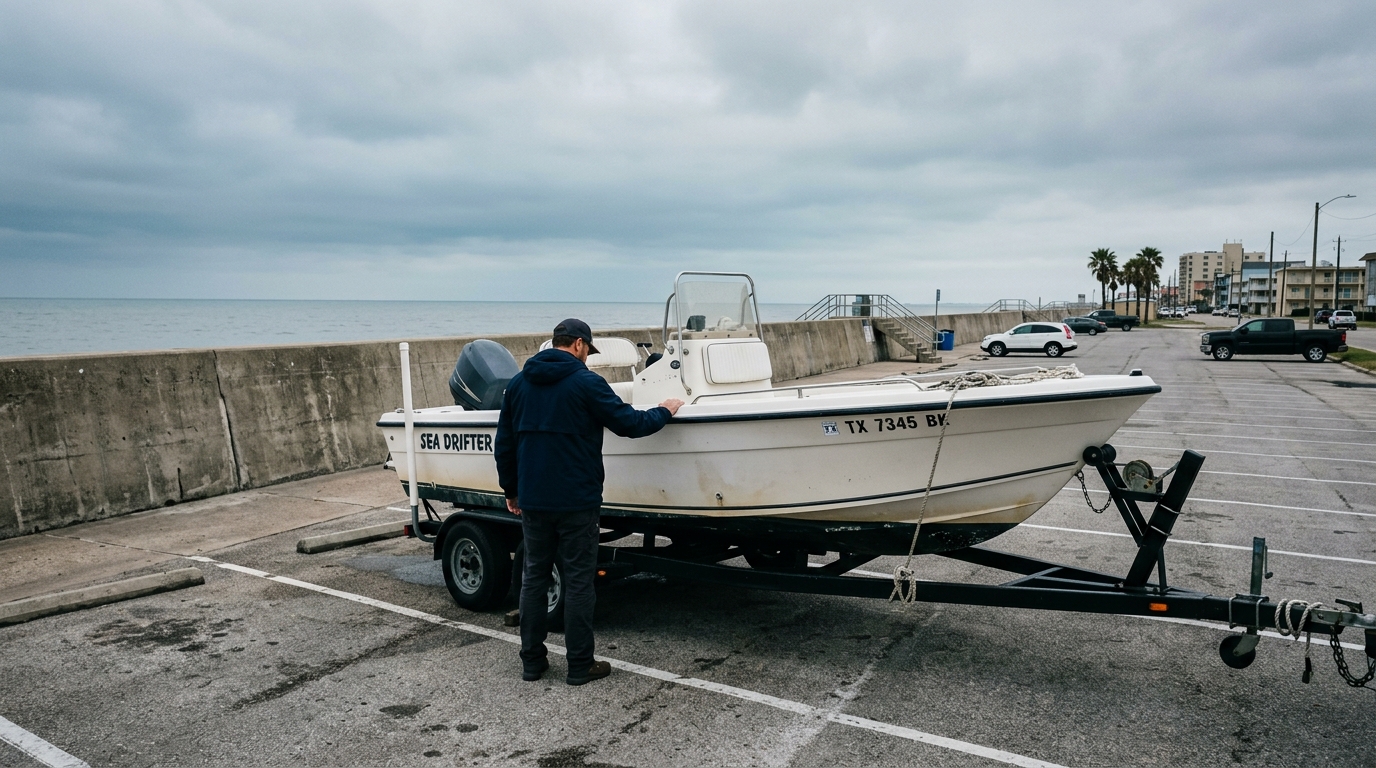
Total Loss Replacement Coverage in Galveston, TX
The Claims Process for a Total Loss in Galveston: What to Expect
Navigating a total loss boat claim in Galveston after a hurricane or major accident is stressful. This guide walks you t...
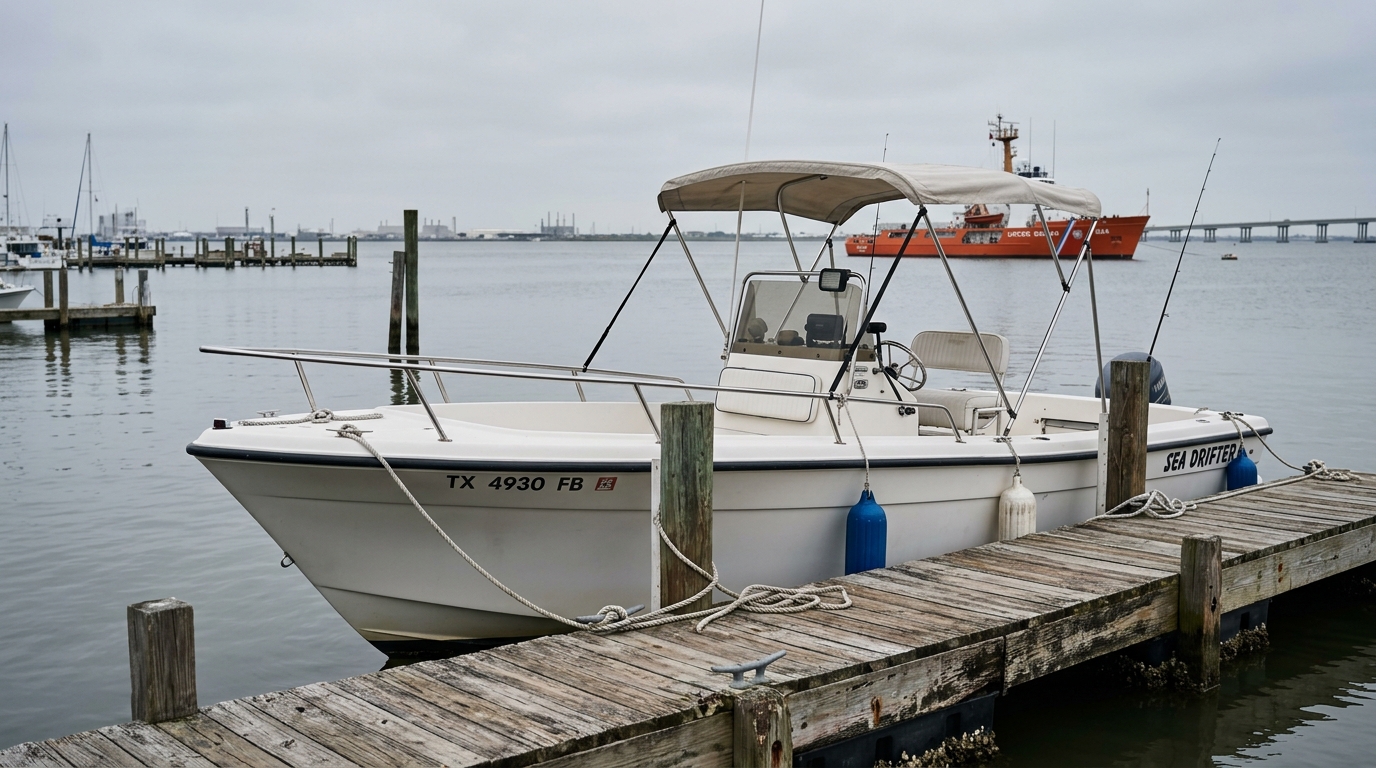
Wreckage Removal Coverage in Galveston, TX - Boat Insurance Galveston
Is Wreckage Removal Legally Required? A Guide for Galveston Boaters
A comprehensive guide for Galveston boat owners on the legal requirements for removing a sunken or wrecked vessel. This ...
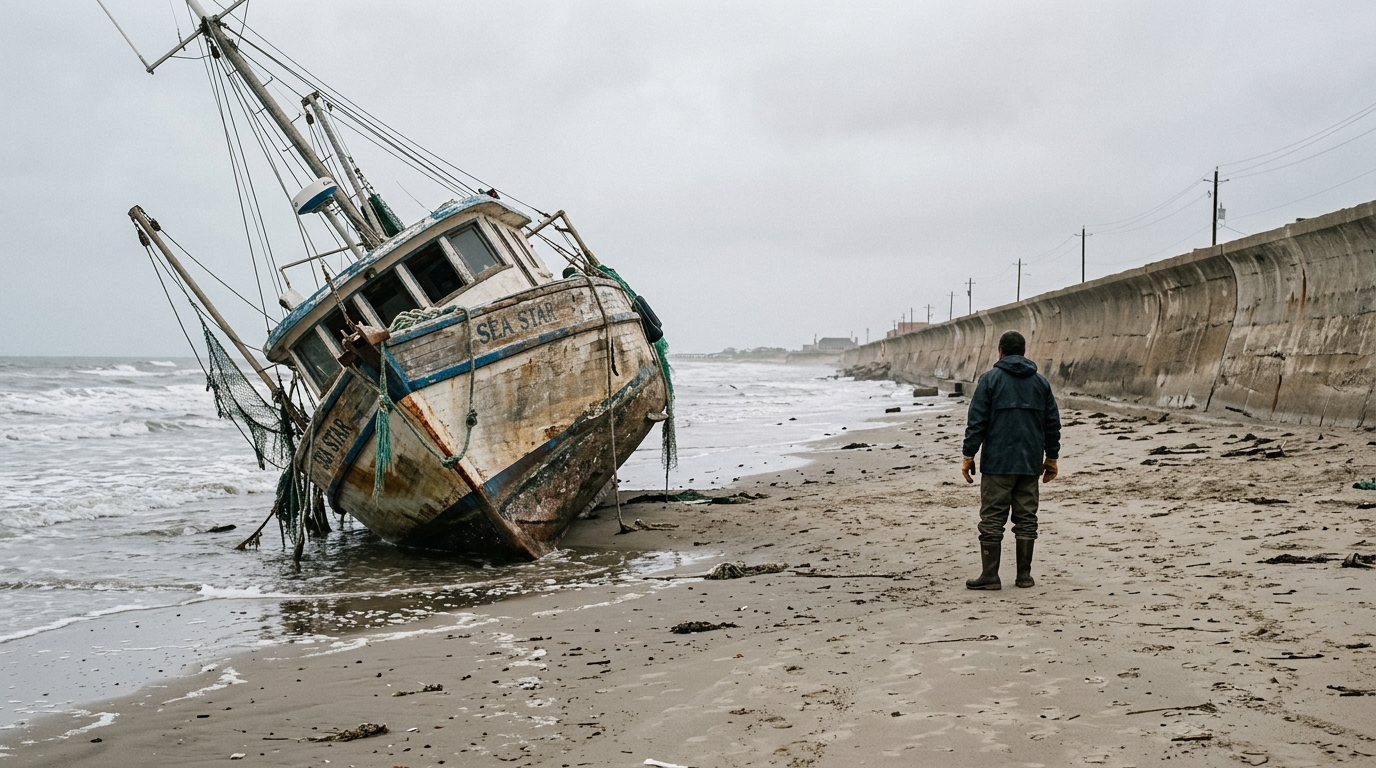
Wreckage Removal Coverage in Galveston, TX - Boat Insurance Galveston
The True Cost of Wreckage Removal: A Galveston Case Study
Explore the hidden, substantial costs of removing a sunken vessel in the Galveston Bay area. We break down salvage fees,...