

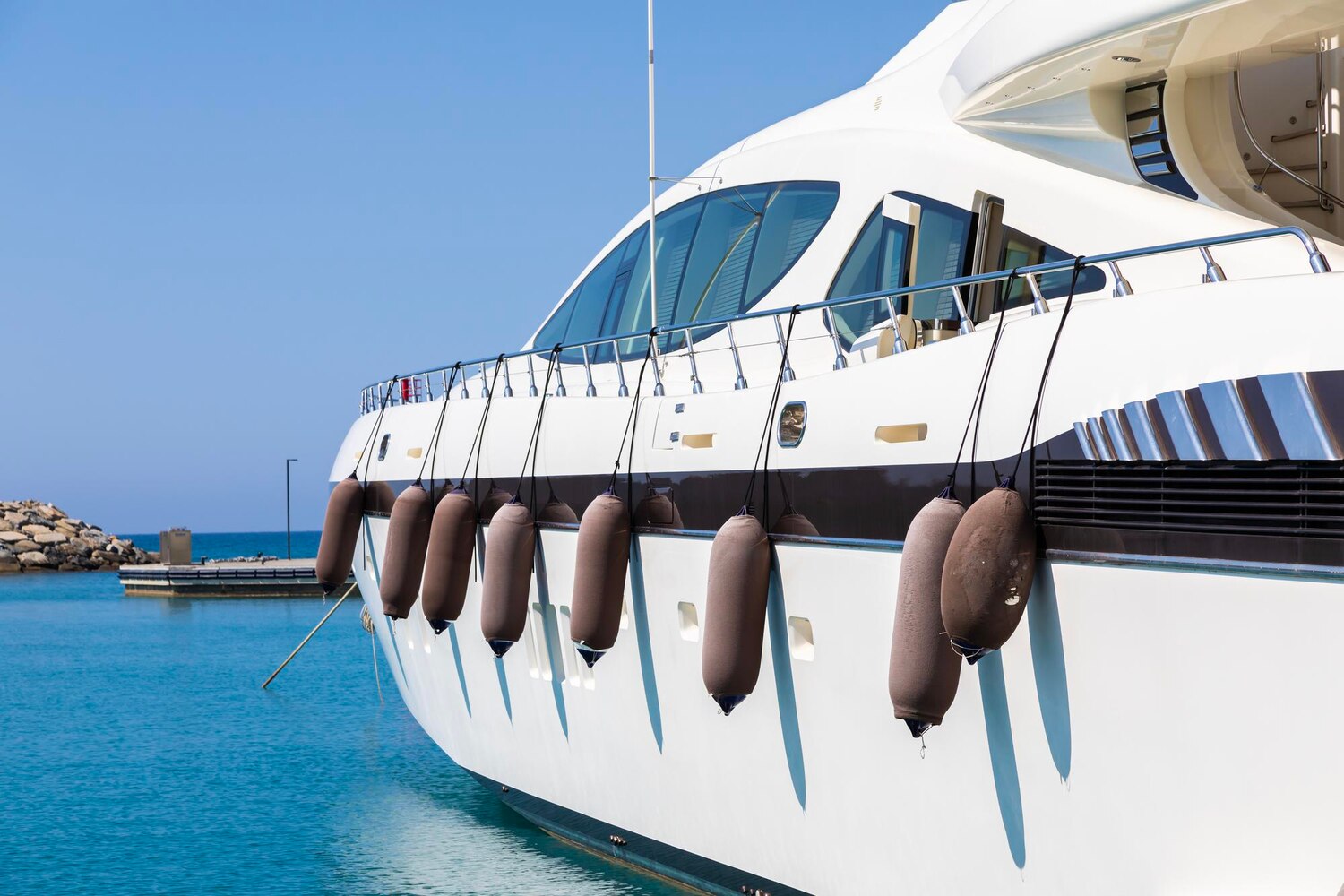
Introduction: Why “Total Loss Replacement” Gets Attention In Galveston
In Galveston, the question isn’t whether boating risks exist—it’s which kind you’re most likely to face: sudden Gulf storms, surge and wind damage at the marina, or a serious collision in busy water around the Bay. When a claim is big enough to be called a total loss, the way your policy settles can mean the difference between getting back on the water quickly or being stuck with a payout that doesn’t match today’s boat prices. Total loss replacement is designed for that worst-case moment, and it can outperform standard hull coverage for newer boats. Below, we’ll break down how it works, who typically qualifies, and the fine print that matters.
Context And Background: Standard Hull Settlements Vs Replacement-Style Options
Most boat policies include hull coverage, but hull coverage can settle in different ways depending on what you bought and what the carrier offers. A common approach is an agreed value hull, where you and the insurer pick a hull value up front, and that number drives the settlement (minus deductibles and any policy conditions). Another approach is actual cash value, which typically factors in depreciation at the time of loss. Total loss replacement is different: it’s usually a special endorsement or program aimed at newer boats, and it’s meant to replace the boat (or pay for a comparable new replacement) if it’s declared a total loss. In a market where prices can jump after big storm seasons, this distinction matters for Galveston owners.
Main Point 1: What Total Loss Replacement Actually Means (In Plain English)
Total loss replacement generally means that if your boat qualifies and the claim meets the policy’s definition of a total loss, the insurer will provide a new boat of like kind and quality, or pay an amount tied to replacing it with a new equivalent model. That’s the big advantage: it’s designed to sidestep depreciation when the loss is catastrophic. With standard hull coverage, even agreed value can fall short if you underinsured the boat, added expensive upgrades after binding, or if replacement costs rise quickly. Replacement programs typically have guardrails: the boat often must be within a certain age range, you may need to be the original owner, and the boat must be maintained and used within stated guidelines. It’s not “better for everyone,” but it can be the right fit for newer boats in Galveston.
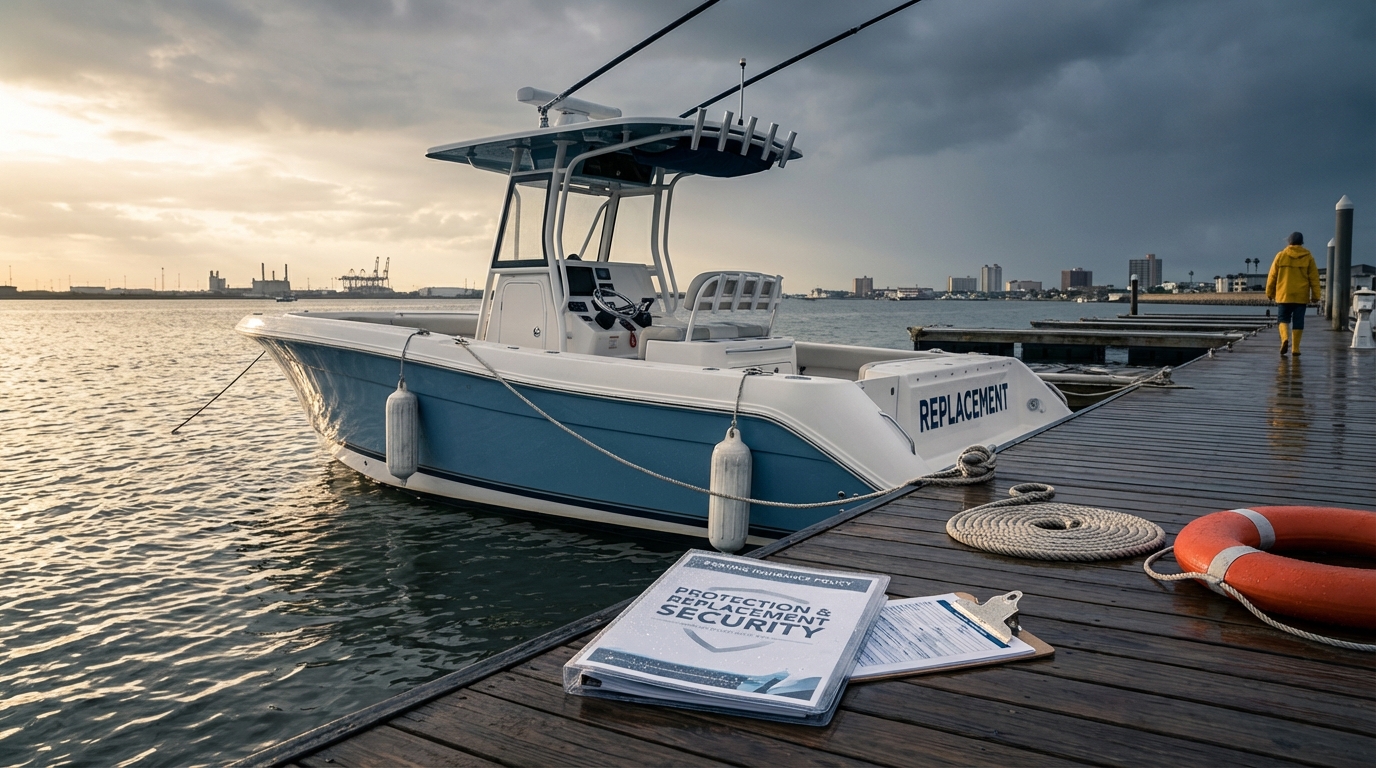
Main Point 2: What Counts As A Total Loss (And Why It’s Not Always Obvious)
A “total loss” is usually either an actual total loss (the boat is destroyed, sinks and can’t be recovered, or is stolen and not recovered) or a constructive total loss (repair is technically possible, but the cost to repair exceeds a threshold compared to the boat’s insured value). That threshold varies by insurer and policy wording, so it’s important to ask what percentage triggers it. In Galveston, constructive total loss can come up after storm-driven impacts, a severe grounding, or an engine-room fire where corrosion and saltwater intrusion create a long list of hidden damage. Another nuance: salvage value and recovery costs can affect the math. Two boats with similar visible damage can settle differently if one has major structural or electrical damage that makes repairs impractical.
Main Point 3: Common Conditions That Decide Whether Replacement Coverage Pays Out
Total loss replacement programs often come with conditions that can surprise boaters if they only look at the headline benefit. Common requirements include: the boat must be within a certain model-year window; you may need a recent marine survey or proof of condition; and the boat must be insured to the carrier’s standards (including lienholder requirements if financed). Policies may also have named storm deductibles, haul-out requirements, or specific lay-up periods. Another frequent condition is how upgrades are treated—electronics, towers, repowers, and custom trailers may need to be scheduled or documented to be fully recognized. In practice, Galveston owners do best when they keep receipts, photos, and maintenance records and review the policy each season, especially before peak storm months.
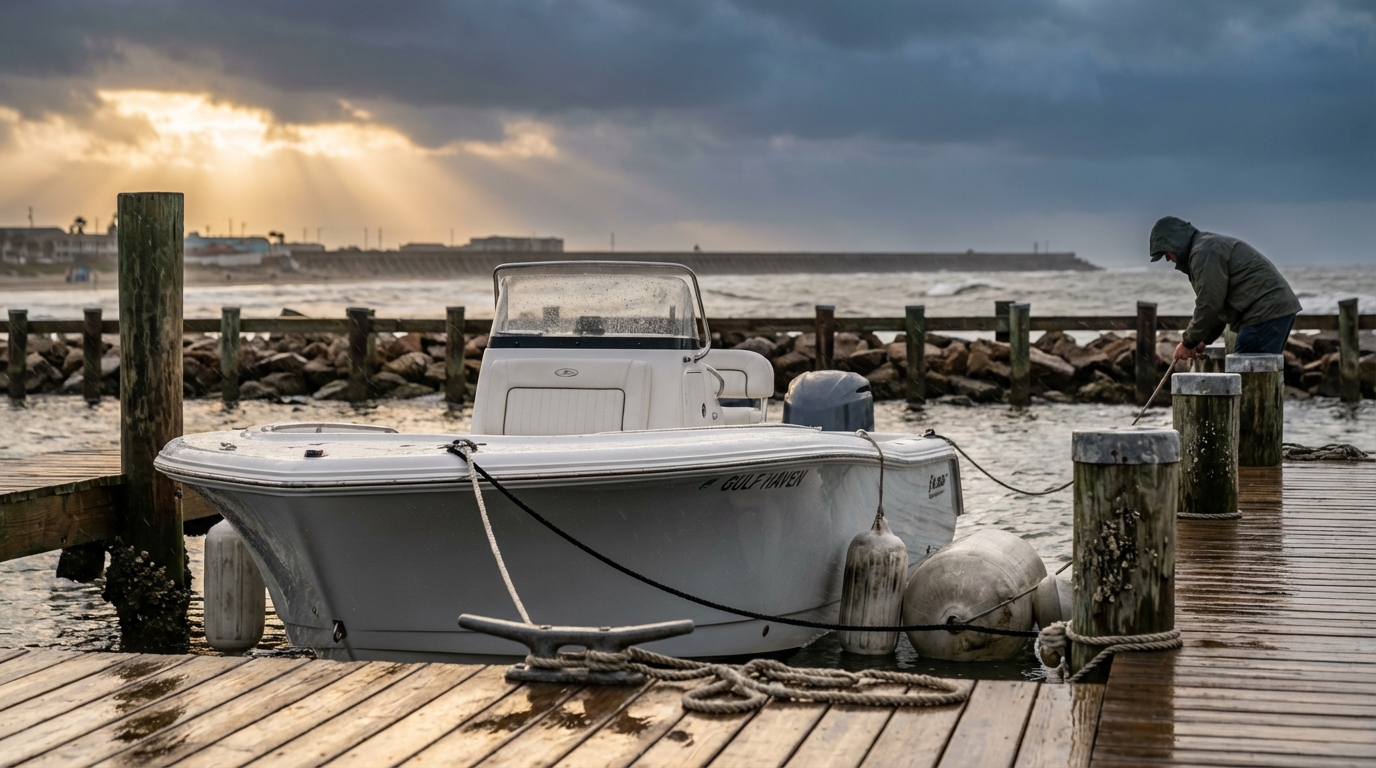
Local Relevance: Galveston Storms, Saltwater, And Busy Waterways Change The Risk Math
Galveston boat insurance decisions are shaped by a few local realities: named storms and fast-moving squalls, saltwater corrosion, and high traffic around marinas and channels. A severe storm can turn a docked boat into a high-severity claim through surge, wind-driven debris, and dock failure—especially if lines chafe through or the vessel breaks loose. Saltwater intrusion is another Galveston-specific factor; once wiring harnesses, electronics, and engines ingest saltwater, the long-term reliability risk can push an adjuster toward constructive total loss. And with weekend traffic between Galveston, Clear Lake, and nearby ramps, collision and grounding losses can be more common than people expect. If your boat is newer and would be expensive to replace, total loss replacement can better match how losses actually play out here.
Key Takeaways For Galveston Boaters
- Total loss replacement is typically best for newer boats where depreciation or underinsured agreed value could leave a gap after a catastrophic loss.
- Ask your agent how the policy defines total loss and what repair-cost threshold triggers a constructive total loss determination.
- Review named storm deductibles, haul-out requirements, and mooring conditions before peak season in Galveston and surrounding marinas.
- Document upgrades and major equipment (electronics, repower, trailer) so the policy reflects the boat you actually own today.
- If you boat in and around Texas City, League City, Dickinson, La Marque, Santa Fe, Friendswood, or Clear Lake, consider how your storage location and usage affect eligibility and pricing.

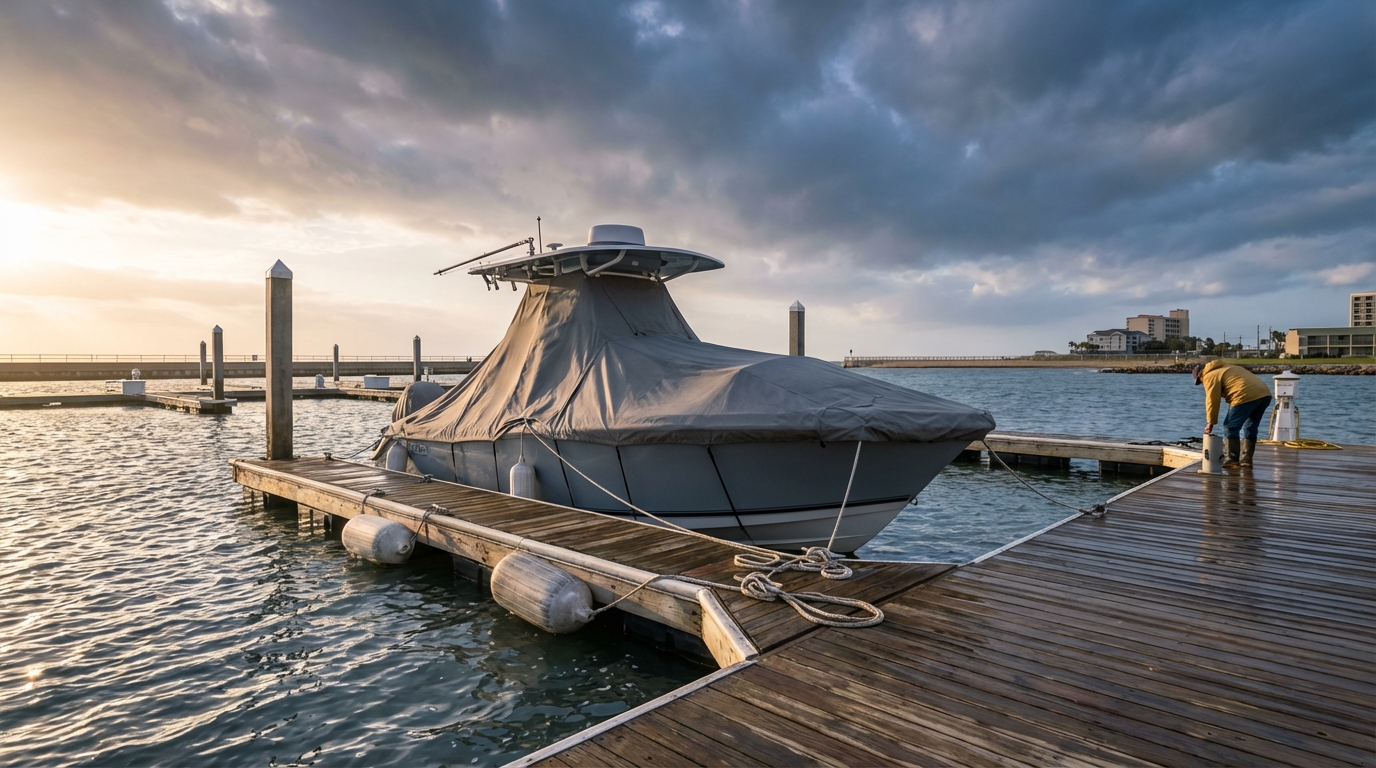
Next Steps: How To Compare Options Without Guessing
If you’re trying to decide between standard hull coverage and total loss replacement in Galveston, start with three practical questions. First: how old is your boat, and would you realistically replace it with a new equivalent if it were gone tomorrow? Second: what would the replacement cost be today, not what you paid a few years ago? Third: what conditions apply—named storm deductibles, storage requirements, navigation limits, and documentation for upgrades? The O'Donohoe Agency can walk through these details using your boat’s make/model, storage location, and how you use it around Galveston Bay. The goal isn’t to “buy the most coverage,” it’s to pick a settlement method that matches the financial hit you’d take after a major storm, sinking, theft, or severe accident.
Compare Total Loss Replacement Vs Standard Hull Coverage
Want to see what total loss replacement would look like for your boat in Galveston? Get a quote and we’ll help you compare settlement options, deductibles, and key conditions.
Get My Quote