

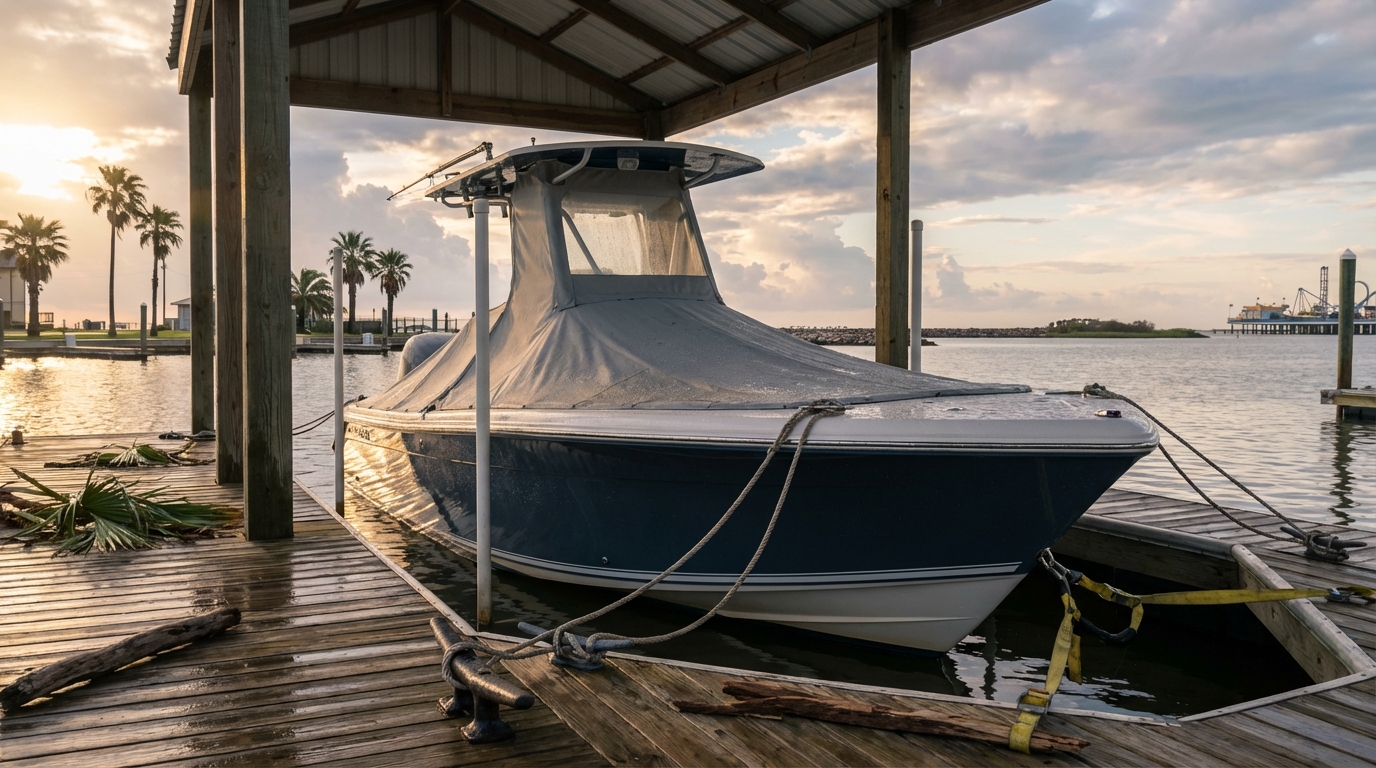
Understanding The Question: Does Comprehensive Cover Hurricane Damage?
If you keep a boat in Galveston, hurricane coverage is not an abstract “what if.” It is a planning question you should answer before the next named storm is in the Gulf. Many boat owners hear “comprehensive” and assume it automatically covers every hurricane-related loss. In reality, comprehensive coverage often helps with certain storm-driven damage like wind, falling objects, or theft after a storm, but it can also come with special deductibles, conditions, and exclusions that matter a lot in coastal Texas. Below, we’ll walk through how comprehensive typically works, what to look for in your policy, and what to document so a claim goes smoother.
Comprehensive Vs. Other Boat Coverages: Quick Background
Boat policies commonly split protection into a few buckets: liability (damage or injury you cause), physical damage to your boat (often comprehensive and collision), and sometimes separate coverages for equipment, towing, and personal effects. Comprehensive is generally designed for non-collision losses, meaning damage that is not the result of hitting another boat or object while underway. Hurricanes blur these lines because a storm can cause wind damage, a mast can fall onto your boat, your boat can break loose and collide with a dock, or the vessel can be swamped by surge. The key is that the cause of loss and your policy wording drive which coverage applies, and how your deductible is calculated.
What Comprehensive May Cover In A Galveston Hurricane Scenario
Comprehensive coverage often applies to hurricane-related wind damage, including torn canvas, damaged electronics from wind-driven rain intrusion, or structural damage from flying debris. It may also respond to falling objects, like a nearby boat’s mast or a tree limb coming down during high winds. Another common storm-related claim is theft or vandalism after the storm, when docks are damaged, storage areas are unsecured, or boats are temporarily relocated; comprehensive is frequently the part of the policy that addresses theft. Coverage can extend to certain attached equipment, depending on how your policy defines permanently installed gear versus portable items. Because Galveston storms can create a chain reaction of losses, documenting the sequence of events can help determine what portion falls under comprehensive.
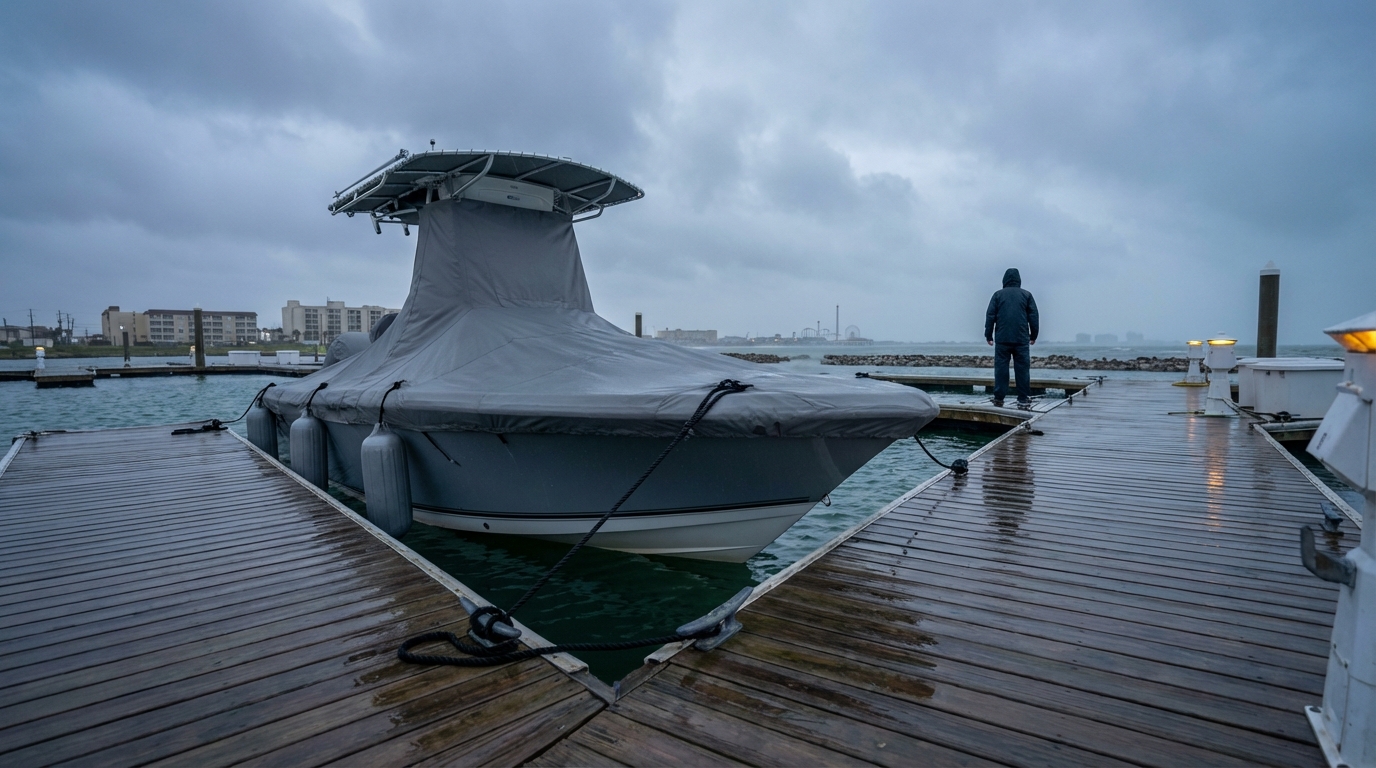
Common Exclusions And Limitations That Surprise Boat Owners
The most common surprise is that “hurricane damage” is not always one simple category. Some policies limit or exclude certain types of water-related losses, especially flooding or storm surge, depending on the form and endorsements. Others exclude wear and tear, corrosion, gradual deterioration, and pre-existing damage that a storm merely exposes. There may be limits on personal property, fishing gear, or portable electronics unless specifically scheduled. Another frequent issue is failing to follow required lay-up periods or navigation limits, which can matter for coastal Texas. If your boat is in Galveston but the policy expects it to be stored elsewhere during certain months, that mismatch can complicate claims. The best practice is to review exclusions and endorsements before hurricane season, not after.
Named-Storm Deductibles: How They Work And Why They Matter
Even when comprehensive covers the type of loss, your out-of-pocket cost may be driven by a named-storm or hurricane deductible. This deductible is often higher than your standard comprehensive deductible and may be a percentage of the insured value rather than a flat dollar amount. For example, a 5% named-storm deductible on a $80,000 agreed value policy can mean $4,000 out of pocket before coverage applies. Policies may define when the named-storm deductible triggers, such as when the National Hurricane Center issues a watch or warning for a defined area, or when a storm is officially named. In Galveston, where watches and warnings can be issued quickly, understanding the trigger language is crucial.
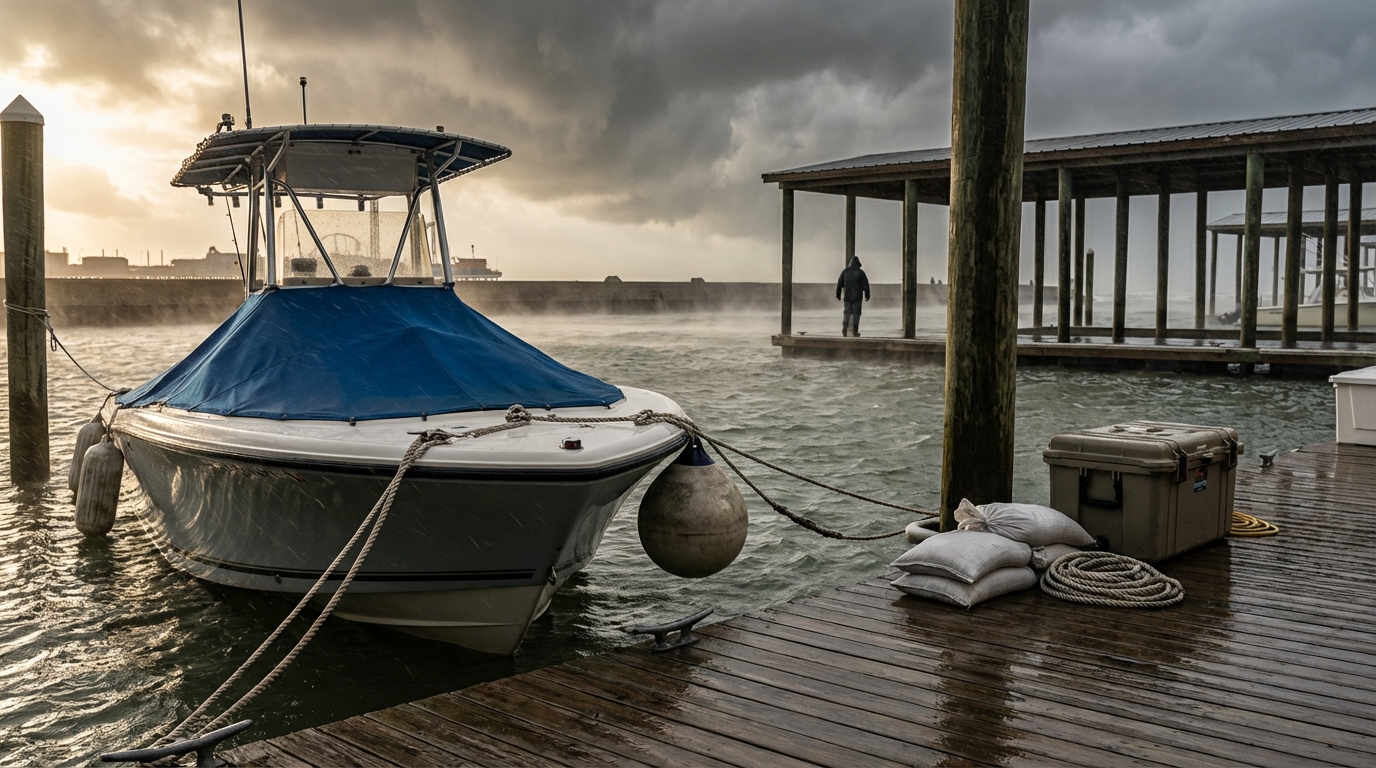
Storage, Haul-Out, And Mooring Choices Can Affect A Hurricane Claim
In Galveston and nearby areas like Texas City, League City, and Clear Lake, boat owners often choose between marina slips, lifts, dry stack storage, trailering inland, or hauling out and blocking on land. These choices can affect both the risk of loss and how an adjuster evaluates the reasonableness of your storm plan. Some policies include conditions about taking reasonable steps to protect the vessel, and insurers may ask where the boat was stored, whether lines and chafe protection were used, whether the boat was secured to manufacturer recommendations, and whether you followed marina haul-out procedures. Keeping receipts for haul-out, storage, and storm prep supplies can support that you acted responsibly and can speed up reimbursement for covered expenses.
Galveston-Specific Risk Factors To Keep In Mind
Galveston boat losses often involve more than just wind. The combination of surge, heavy rain, and debris can lead to swamping, dock damage, and secondary collisions when boats break loose. Saltwater intrusion can also cause electrical issues that may not show up until days later, which is why post-storm inspections matter even if the boat looks fine at first glance. If you travel between Galveston and surrounding waters near Dickinson, La Marque, or Friendswood-area storage facilities, confirm your navigation territory and where the boat is kept during hurricane season. Also consider whether your policy is agreed value or actual cash value, since that impacts how depreciation is handled after a total loss. These details are especially important in a coastal market where storm frequency influences underwriting.
Storm Documentation Checklist For Boat Owners
- Before the storm: take date-stamped photos of the hull, deck, engine hours, electronics, and any existing scratches or chips so pre-storm condition is clear.
- Save your storm plan: note where the boat will be stored (slip, lift, dry stack, trailer location), who is assisting, and the steps you took to secure lines, fenders, and chafe gear.
- Keep receipts: haul-out, blocking, storage fees, extra dock lines, fenders, shrink wrap, or emergency repairs may be relevant depending on your coverage.
- After the storm: photograph damage from multiple angles before moving the boat, and capture surrounding context like dock damage, debris fields, and waterlines.
- Prevent further damage: document temporary mitigation such as tarping, dewatering, or moving the boat to a safer location, and keep invoices for emergency services.
- Create a timeline: write down when you last checked the boat, when watches or warnings were issued, and when you discovered the damage.
- Inventory missing items: list stolen gear or equipment with approximate purchase dates, serial numbers, and any proof of ownership like receipts or photos.
- Contact your marina and insurer promptly: record names, claim numbers, and what you were advised to do next so there is no confusion later.

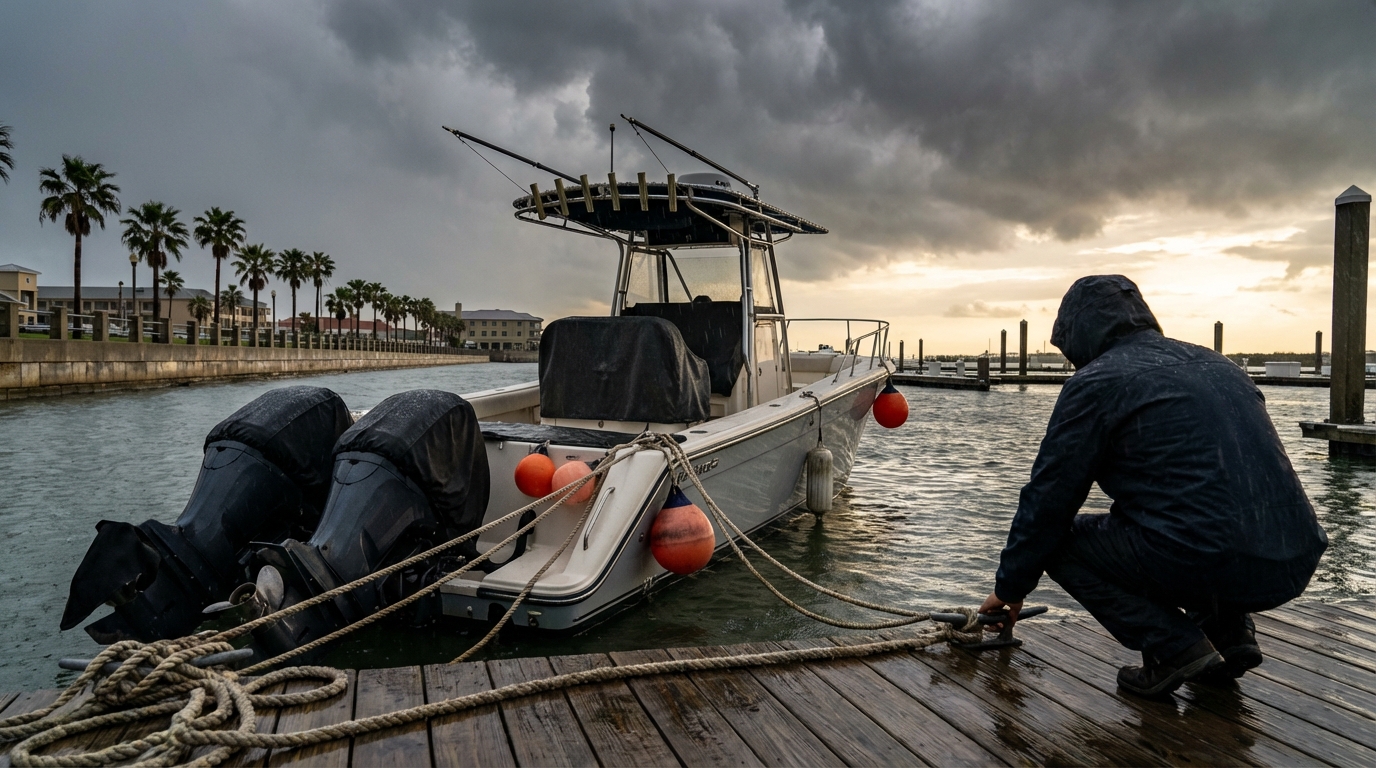
Next Steps: Review Your Policy Before The Next Named Storm
The best time to confirm hurricane coverage is before the forecast cone points at Galveston. Start by pulling your declarations page and endorsements and looking for three items: the physical damage coverage type, the named-storm deductible amount and trigger language, and any navigation or lay-up requirements. Then match that paperwork to your real life: where the boat is usually kept (Galveston, Santa Fe, or a Clear Lake marina), how quickly you can haul out, and whether you have a realistic plan if a storm strengthens fast. If anything is unclear, ask for a plain-English explanation and options that fit your budget, like adjusting deductibles, scheduling high-value gear, or confirming coverage for your chosen storage approach.
Get A Galveston Boat Insurance Review Before Hurricane Season
The O'Donohoe Agency can review your current boat policy for named-storm deductibles, comprehensive coverage details, and storage or haul-out considerations specific to Galveston and nearby marinas. If you want clarity before the next storm, request a quote or coverage review.
Get My Quote