

Introduction: The Part Of A Sinking Most Boat Owners Don’t Budget For
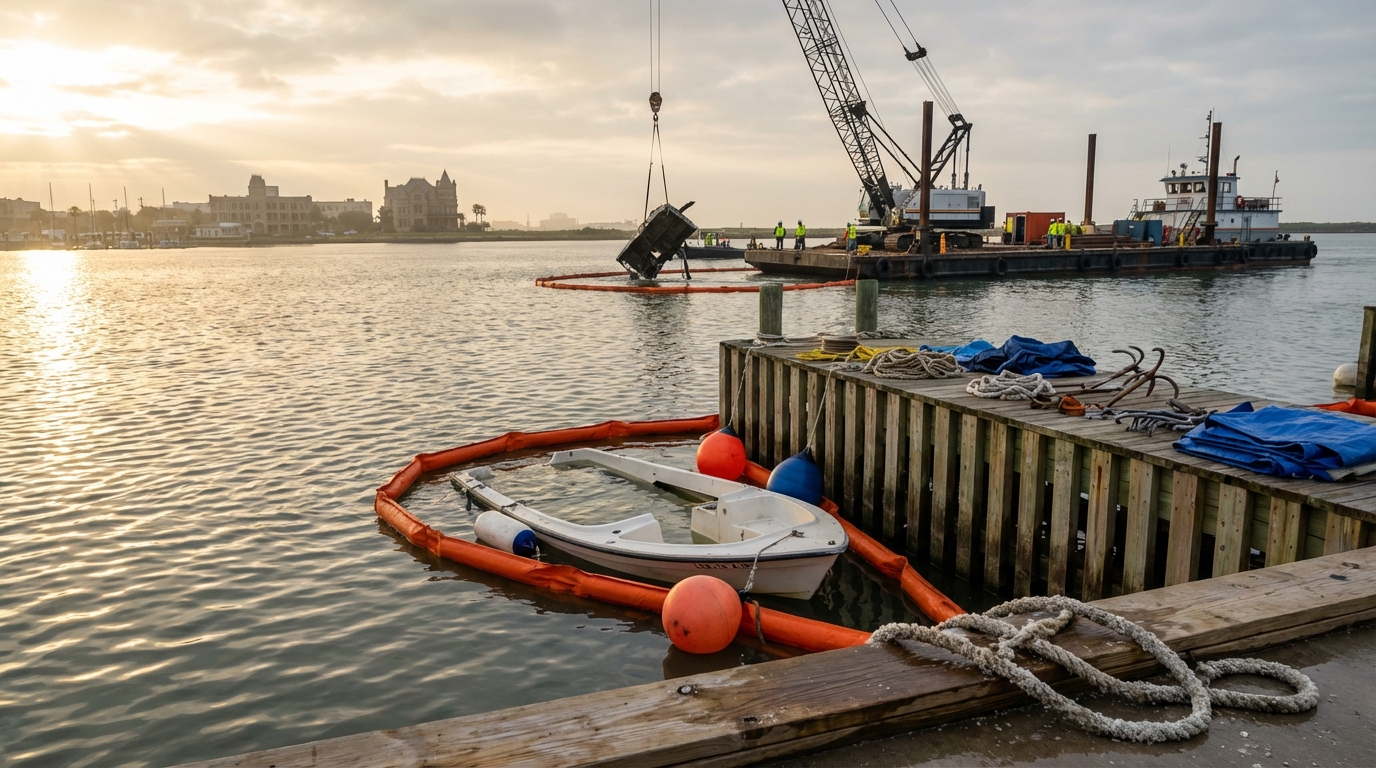
When a boat sinks or is left severely damaged in Galveston, the headline is usually “total loss.” The expensive reality often comes after: salvage, lifting, towing, debris cleanup, and disposal. In a marina or near a channel, you may also be required to move wreckage quickly to keep slips and waterways safe. That’s where wreckage removal coverage comes in. It’s designed to help pay the costs to recover and remove the wrecked boat, not just repair it. Below is what this coverage typically addresses, how it ties into hull and pollution liability, and a simple timeline you can follow if the worst happens in Galveston.
Context And Background: Why Wreckage Removal Is A Big Deal On The Upper Texas Coast
Galveston boating comes with unique exposure: busy marinas, changing weather, and water that can turn a manageable incident into a fast-moving emergency. A vessel that sinks in a slip can block access, damage neighboring boats, and create fuel or oil concerns. Even outside a marina, a partially submerged hull can be a navigation hazard, especially around areas with heavy traffic. Salvage work here isn’t just “call a tow.” It can involve divers, cranes, lift bags, specialized pumps, and coordination with marina management or local authorities. Costs can climb quickly, which is why understanding what your policy does and doesn’t pay for before an incident matters in Galveston.
Main Point 1: What Wreckage Removal Coverage Can Pay For (And What It Usually Doesn’t)
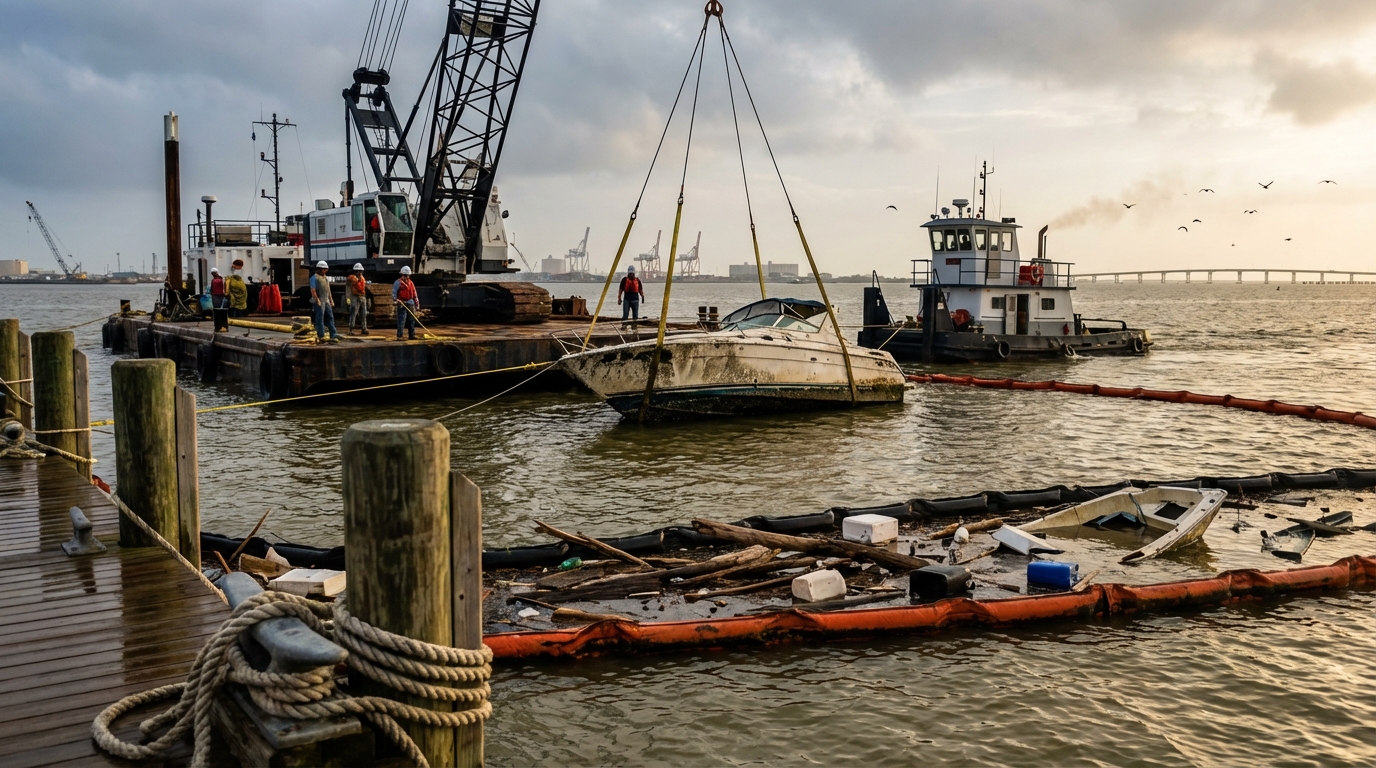
Wreckage removal coverage is commonly intended to pay reasonable expenses to raise, recover, remove, and dispose of the wreck of your insured boat after a covered loss. In real terms, that can include salvage operations (divers, lift equipment, dewatering), towing the wreck to a yard, storage during the process, and disposal fees. Some situations also involve debris removal if parts break off. What it typically does not cover is routine maintenance, pre-existing rot/corrosion, or removal when there wasn’t a covered cause of loss. Another frequent surprise: your policy may have limits, conditions, and required approvals. Insurers often want to coordinate salvage to control costs, so calling a salvage company first without notifying the carrier can complicate reimbursement.
Main Point 2: How Wreckage Removal Relates To Hull Coverage, Salvage Value, And Total Loss Decisions
Boat owners often assume “hull coverage” automatically handles everything after a sinking. Hull coverage is primarily about physical damage to the boat, up to the policy limit, subject to deductibles and settlement terms. Wreckage removal can be included within the hull limit or provided as an additional amount depending on the policy form. That distinction matters: if the hull limit is tight, removal costs can eat into the amount available to pay for the boat itself. Also, after salvage, the insurer may consider salvage value (what the wreck is worth) and how that affects total loss calculations. In Galveston, where a quick removal may be required by a marina, the practical decision is often: remove first to prevent additional damage and liability, then sort out repair vs. total loss with your adjuster.
Main Point 3: Pollution Liability And Government Or Harbor Requirements—The Hidden Trigger For Fast Action
After a sinking, the most urgent financial risk isn’t always the boat—it’s what leaks out of it and who demands cleanup. Fuel, oil, batteries, and other contaminants can create a pollution exposure. Many boat policies include a form of pollution liability (sometimes called fuel spill liability) that may respond to cleanup costs and third-party claims, but it’s separate from hull damage. Wreckage removal and pollution often overlap because lifting and removing the boat may be required to stop an ongoing discharge. In Galveston, marina rules, harbor operations, or local authority direction can require prompt action to remove hazards. If you delay, costs can rise and you could face invoices, fines, or claims from others. The best move is to treat a sinking as both a property loss and a potential liability event.
Local Relevance: What Makes Galveston Claims Different (Marinas, Tides, And Neighboring Property)
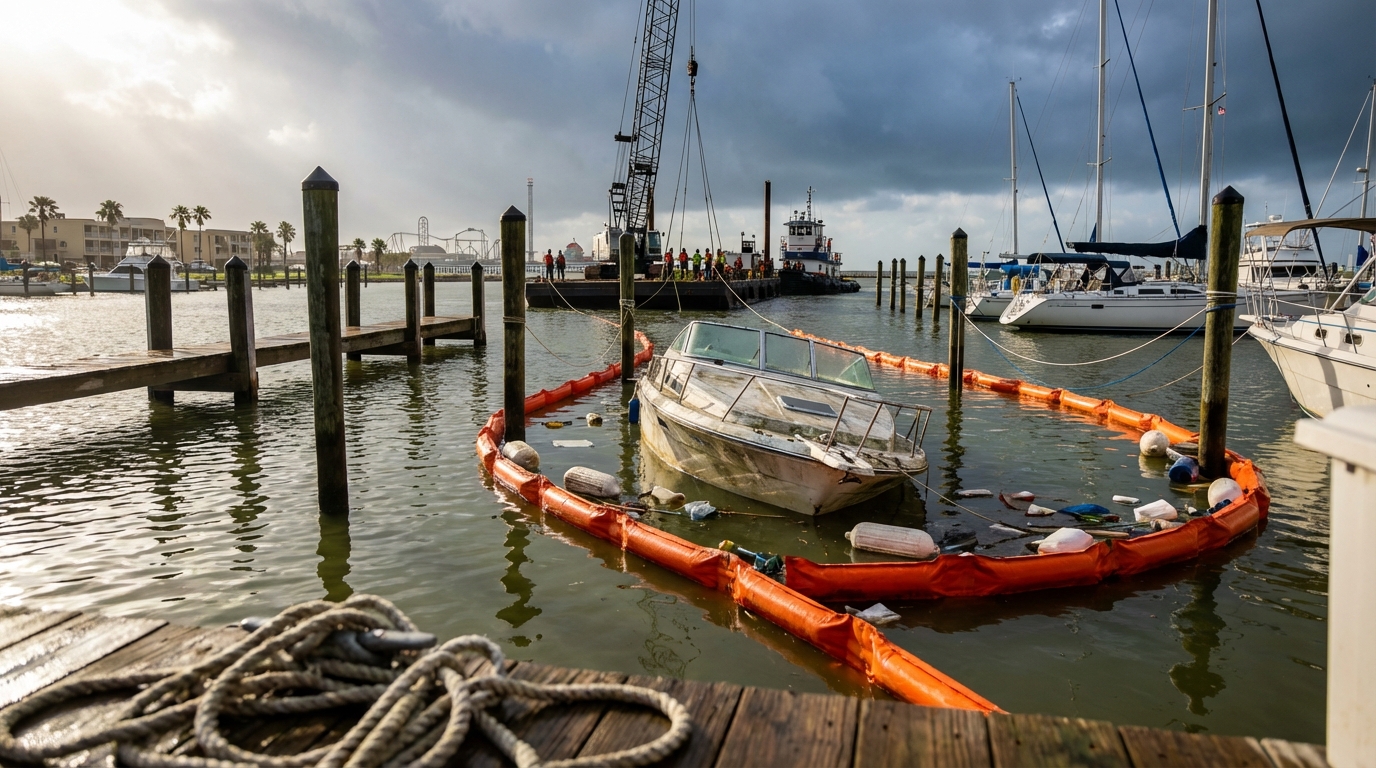
In Galveston, a sinking in a marina slip can quickly become a multi-party situation: marina management wants the slip cleared, neighboring boat owners worry about damage, and the salvage vendor needs access and approvals. Timing matters because tides, weather windows, and weekend traffic can affect how fast a crane or dive team can mobilize. Costs can also increase if the boat shifts, breaks apart, or drifts into pilings or other vessels. If you boat in nearby areas like Texas City, League City, Dickinson, La Marque, Santa Fe, Friendswood, or Clear Lake, the same theme applies: busy waterways and close-quarters docking mean wreckage removal is as much about protecting others as it is about your own hull. Planning ahead with the right coverage limits is especially important for boats kept in slips year-round.
Key Takeaways: A Simple Timeline After A Sinking In Galveston
- First 15 minutes: Make sure everyone is safe, call for emergency help if needed, and prevent further harm. If you can safely shut off fuel and electrical systems, do it.
- First hour: Notify the marina or harbor contact and your insurance carrier. Ask whether they have preferred salvage vendors and what approvals are required to keep the claim clean.
- Same day: Take photos and video of the scene, waterline, bilge area, and any visible damage. Write down time, location, weather, and what happened in plain language while it’s fresh.
- Within 24–48 hours: Coordinate salvage and removal through the adjuster when possible. Keep receipts and written estimates for lifting, towing, storage, and disposal.
- After removal: Ask how hull coverage, wreckage removal, and pollution liability will be applied (within limits vs. additional). Confirm deductible treatment and whether the insurer will take salvage title.

Next Steps: How To Review Your Policy Before You Need It
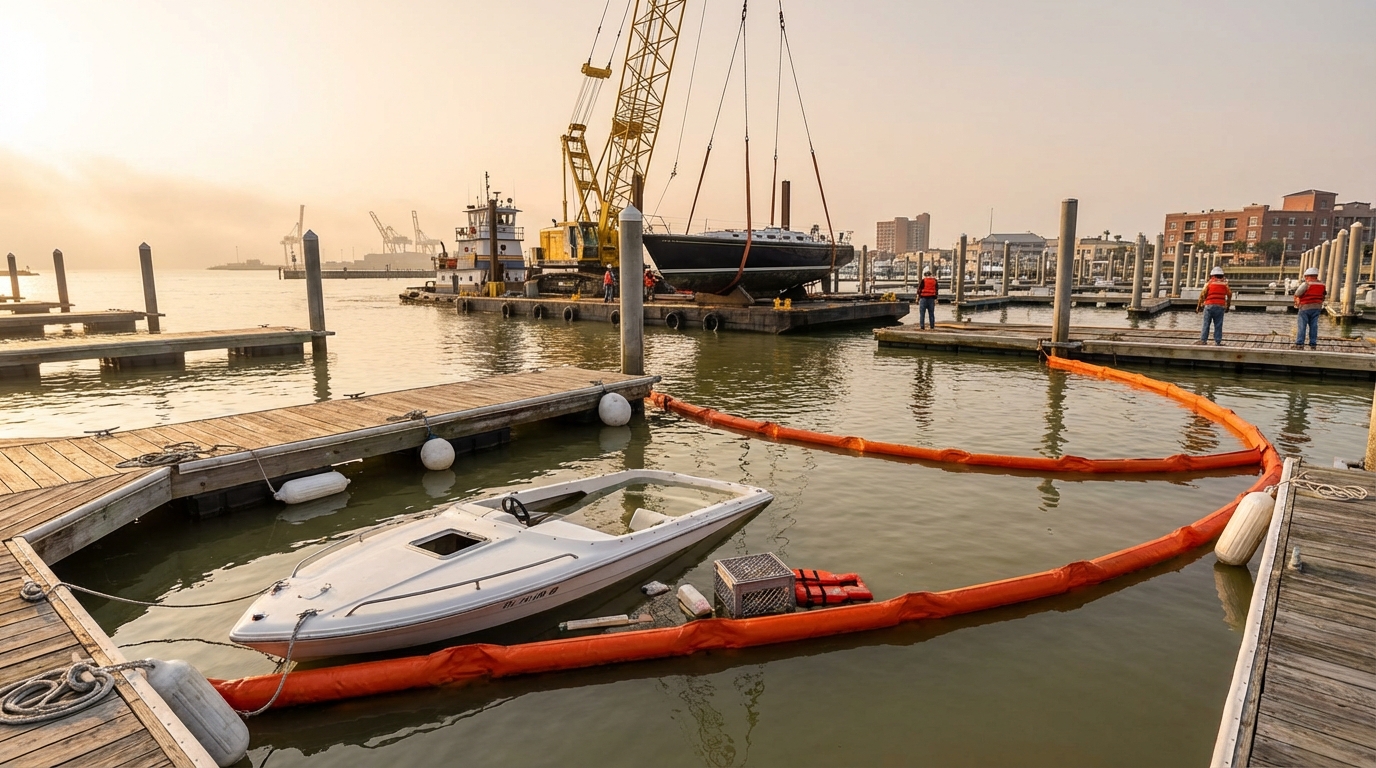
The best time to understand wreckage removal coverage is before a storm, collision, or dock incident forces a rushed decision. Start by checking whether wreckage removal is included in your hull limit or provided as an extra amount, and whether there are special conditions about insurer approval or vendor selection. Next, confirm your pollution liability limit and whether it’s sufficient for a worst-case spill scenario in a marina setting. If you keep your boat in Galveston or regularly run through Clear Lake and nearby waters, also review towing, salvage provisions, and any lay-up or named storm language that could affect claims. The O'Donohoe Agency can walk through your current boat policy, explain how wreckage removal would work in a real Galveston scenario, and help you compare options that fit how and where you boat.
Get Help Reviewing Wreckage Removal Coverage
If you boat in Galveston and want clarity on salvage, removal, disposal, and pollution liability limits, we can review your policy and quote options that match your risk.
Get My Quote