

Introduction: Two Coverages That Decide How Your Claim Gets Paid
In Galveston, “what happened” matters almost as much as “what broke.” If your boat gets damaged, the difference between comprehensive and collision coverage can determine whether the claim is covered, what deductible applies, and what proof your insurer will ask for. Around the island, common losses include storm-tossed debris, dock impacts in tight slips, theft at marinas, groundings near sandbars, and trailer mishaps on the way to the ramp. In this article, we’ll translate those real-world situations into plain-English coverage answers so you can buy the right protection before the next weekend on the water turns into a claim.
Context And Background: Why Galveston Boaters Ask This So Often
Galveston boating mixes open water, busy channels, shifting bottoms, and weather that can change fast. That combination creates two main categories of losses: impacts (you hit something or something hits you) and “other-than-collision” events (theft, vandalism, falling objects, storm damage, fire, etc.). Insurance carriers separate these because they behave differently: collision losses track with operator exposure and navigation conditions, while comprehensive losses track with crime, storage, storms, and random bad luck. Understanding the split helps you set deductibles intelligently, avoid coverage gaps, and know what to document when you file a claim from areas like Galveston, Texas City, or Clear Lake.
Main Point 1: A Simple Definition With Galveston Examples
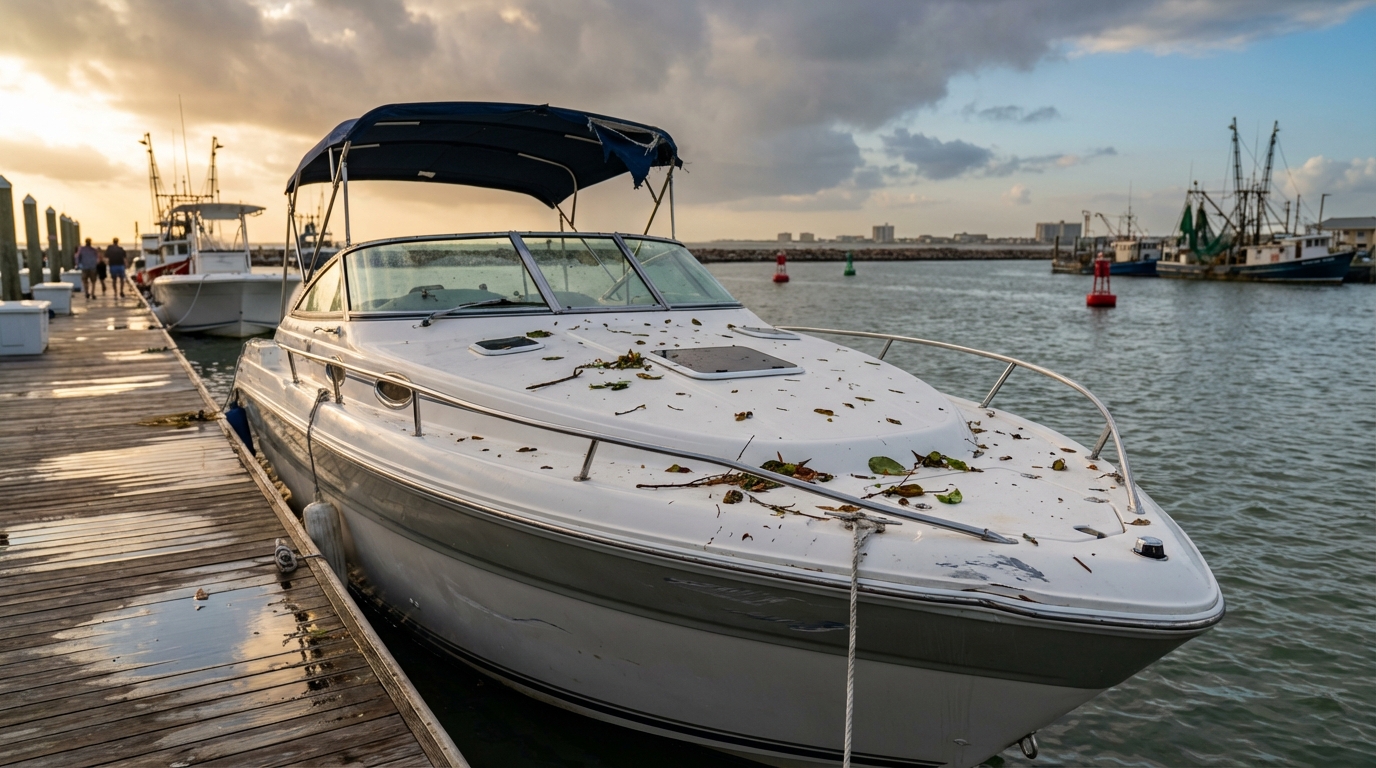
Collision coverage generally applies when your boat collides with another boat or an object, or when it runs aground. Think: misjudging your approach and bumping a dock, striking a piling, hitting a submerged object, or grounding on a bar. Comprehensive coverage (often called “other than collision”) generally applies to non-impact events like theft, vandalism, fire, lightning, windstorm, hail, falling objects, and sometimes animal damage. A Galveston example: if a sudden squall blows a loose dock box into your hull, that’s typically treated as comprehensive (storm-driven object). If you drift into the dock during a tricky tie-up and scrape the gelcoat, that’s typically collision.
Main Point 2: Claim Scenarios People Actually File In Galveston
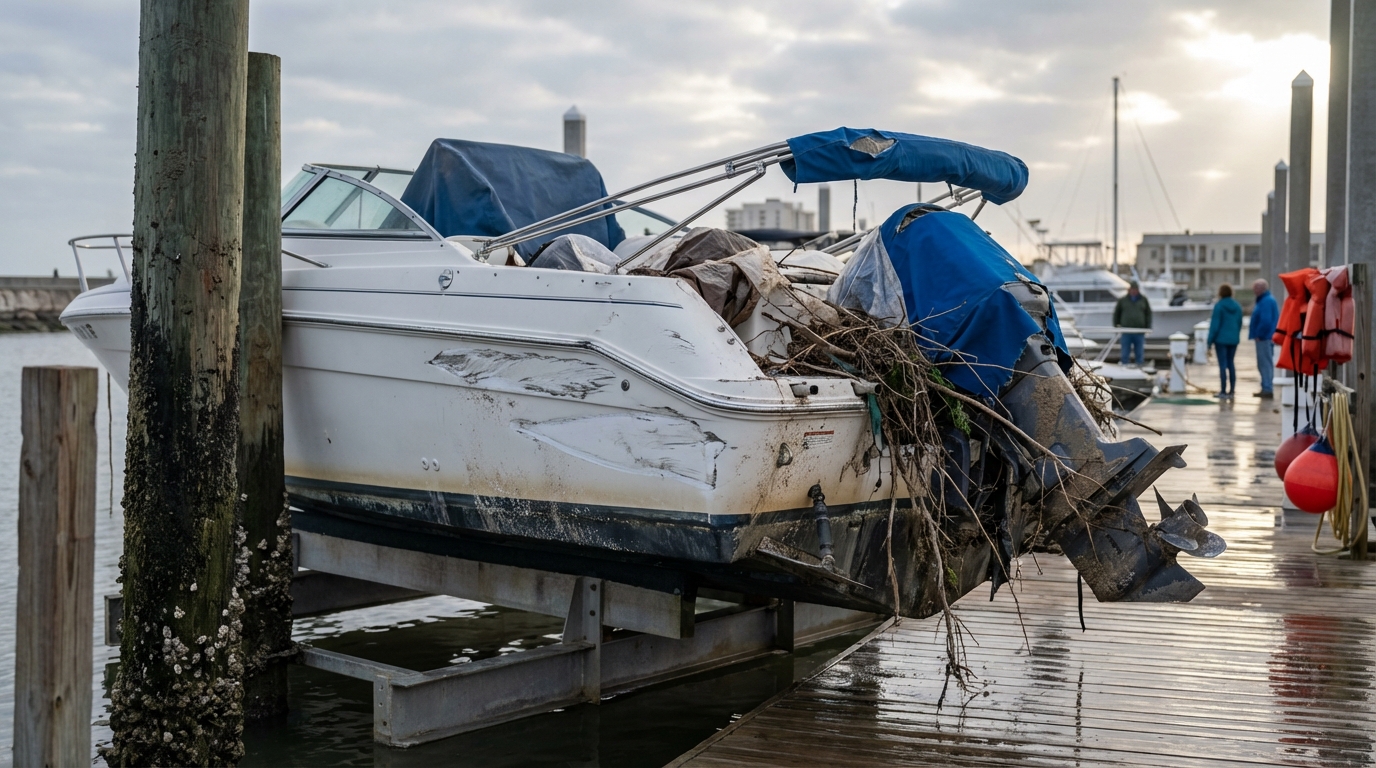
Storm debris is a classic comprehensive claim: after heavy weather, floating lumber or broken dock parts can puncture a hull or damage an outdrive while you’re tied up or even while underway if it’s not truly a “collision with another vehicle.” Theft is also typically comprehensive—like a stolen outboard, electronics pulled from the console, or a missing trailer from a storage lot in Galveston or Dickinson. Dock impact, hitting a channel marker, or striking a piling is usually collision. Grounding is usually collision as well, even if it happens at low speed. Trailer incidents can split: if your trailer is rear-ended on I-45 or you back into a pole at the ramp, that’s commonly treated as collision (or may coordinate with auto coverage depending on the policy).
Main Point 3: How Deductibles Typically Apply (And How To Choose Them)
Most boat policies apply deductibles per occurrence, and it’s common to see separate deductibles for comprehensive and collision. That means a theft loss might have one deductible, while a docking mishap has another. In Galveston, where storm season is a real planning factor, some policies also include special windstorm or named-storm deductibles that can be a percentage of the insured value rather than a flat dollar amount. When choosing deductibles, match them to your real cash reserves and the type of risk you face most. If you store your boat outdoors near the coast, a lower comprehensive deductible can make sense. If you’re confident in your docking and navigation skills but worry about theft, prioritize comprehensive value.
Local Relevance: Galveston-Specific Details That Can Change A Claim
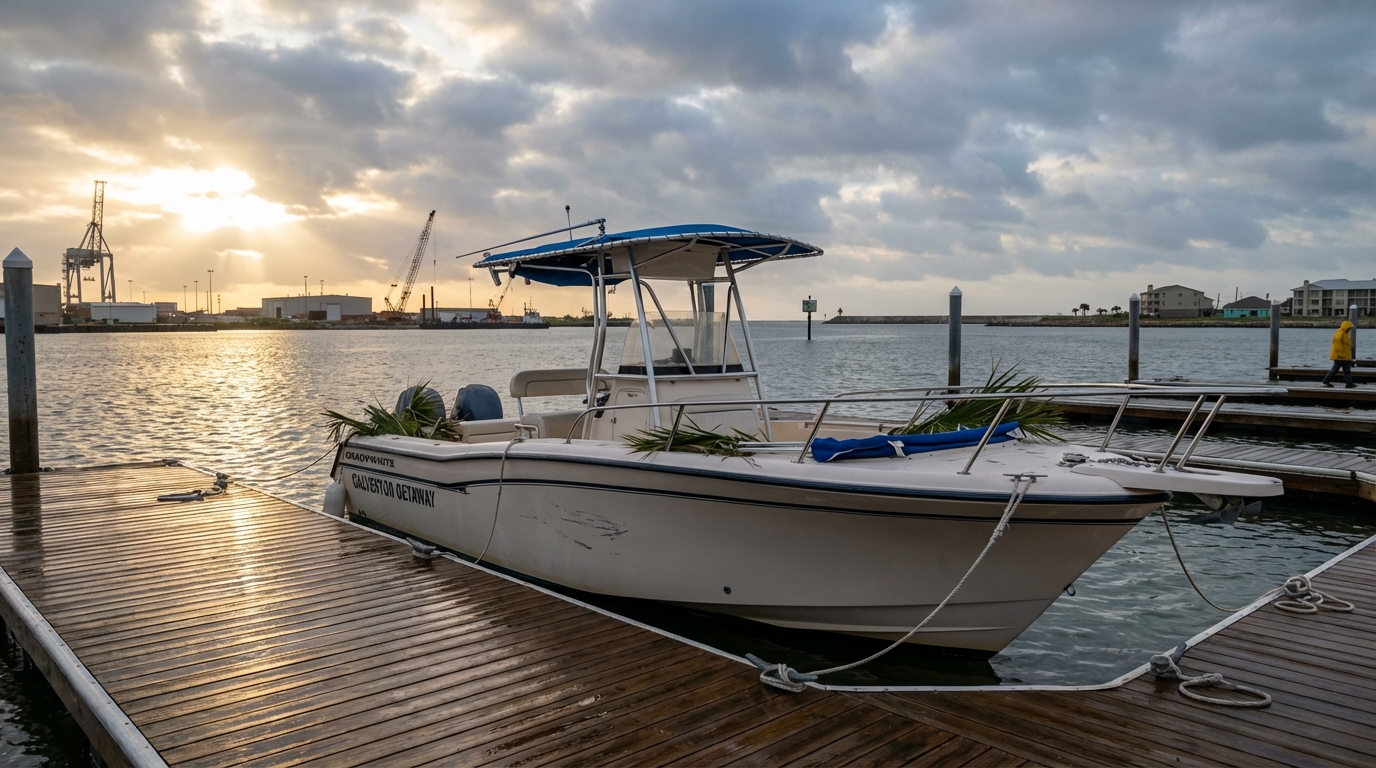
Galveston claims often hinge on conditions unique to coastal boating: wind-driven surge that shifts boats in slips, busy marina traffic, and bottoms that can change with tides and storms. A grounding claim is stronger when you can show you were operating responsibly—GPS track, depth readings, and photos of the location help. For dock impacts, photos of the rub rail, piling marks, and the slip layout can clarify what happened. Theft claims are smoother when you can provide serial numbers for outboards and electronics, proof of ownership, and evidence of forced entry (cut locks, damaged storage doors). If you boat around Texas City, League City, Friendswood, La Marque, Santa Fe, or Clear Lake, keep records of where the boat was stored and when you last had eyes on it—timelines matter.
Key Takeaways For Faster, Cleaner Claims
- Document the cause first: write a short timeline (date, time, location, conditions) before details get fuzzy, especially after a storm in Galveston.
- Take wide and close photos: show the whole boat, the specific damage, and the surrounding scene (dock, piling, ramp, storage lot, debris field).
- Save proof of ownership: keep purchase receipts, titles/registrations where applicable, and serial numbers for engines, trailers, and electronics.
- Know your deductibles: confirm whether you have separate comprehensive and collision deductibles and whether a windstorm or named-storm deductible could apply.
- Understand hull coverage coordination: comprehensive and collision typically pay for physical damage to the insured boat under the hull coverage terms; accessories and trailers may have sub-limits or separate scheduling.

Next Steps: Confirm Your Hull Coverage, Then Stress-Test It With Scenarios
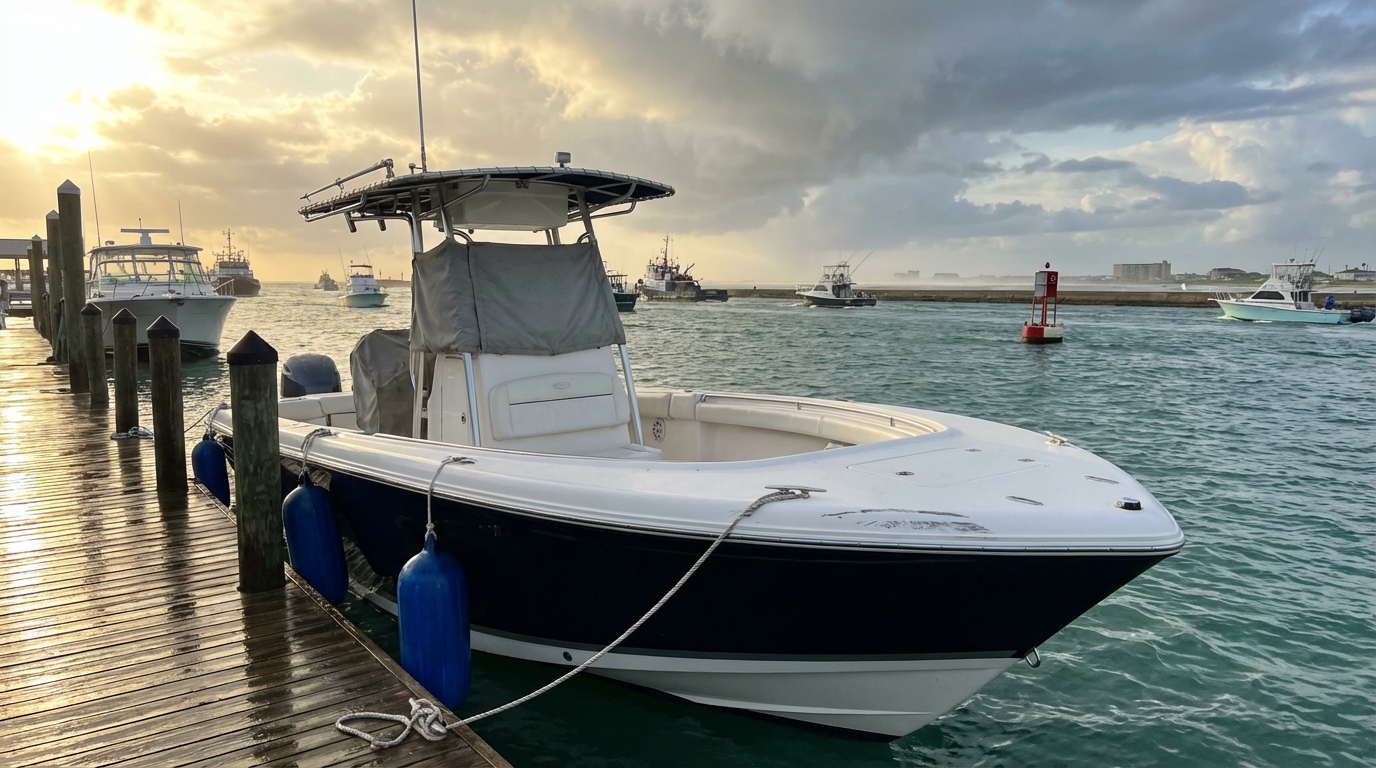
A practical way to review your policy is to pick three Galveston scenarios and ask, “Which coverage would respond, and what deductible would I pay?” Example 1: your boat is tied up and storm debris damages the hull—typically comprehensive, possibly with a windstorm-related deductible depending on the wording. Example 2: you scrape a piling while docking—typically collision. Example 3: your trailer is stolen from storage—often comprehensive if the trailer is covered under the boat policy, but sometimes it needs specific endorsement or scheduling. The O'Donohoe Agency can walk through these what-ifs with you, confirm how your hull coverage is written, and help you adjust deductibles so a claim is affordable when it matters.
Compare Comprehensive And Collision Options For Your Boat
Get a Galveston-focused review of your hull coverage, deductibles, and common claim scenarios like theft, storm debris, docking impacts, groundings, and trailer losses.
Get My Quote