

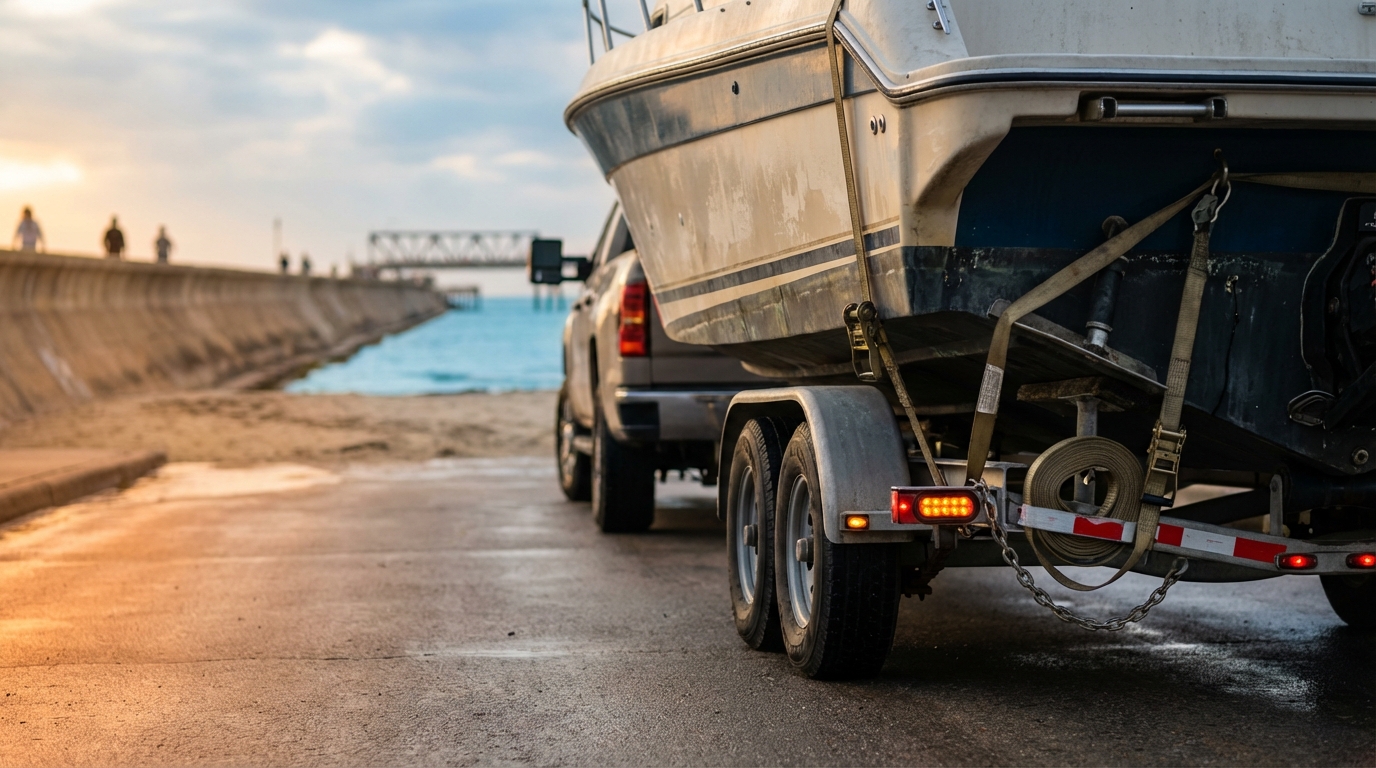
Introduction: Why Trailer Coverage Matters In Galveston
If you trailer your boat in Galveston, the trailer is doing real work—salt air, stop-and-go traffic, tight parking lots, and crowded launch ramps can all create expensive surprises. A lot of boat owners assume “my boat policy covers the whole setup,” but trailer coverage can be its own line item with its own limits and exclusions. The big question is simple: if something happens while you’re towing to the marina, a storage lot, or the ramp, what damage is actually covered? Below is a practical breakdown of what trailer coverage often pays for in Galveston, where coverage commonly stops, and how to avoid the claim mistakes that slow everything down.
Context And Background: Trailer Claims Usually Happen Off The Water
In coastal areas like Galveston, many losses happen before the boat even touches the water. Think about the typical weekend: towing from a driveway in Midtown or near the Seawall, merging onto busy roads, then navigating a ramp with limited space and lots of foot traffic. Add summer storms, sudden downpours, and the occasional debris on the roadway, and trailers become a frequent source of claims. Insurance companies generally treat a trailer as physical property that can be damaged by collision, theft, vandalism, or certain weather events—depending on how your policy is written. The key is understanding whether your trailer is scheduled on the boat policy, covered under a specific endorsement, or expected to be insured elsewhere.
Main Point 1: What Trailer Coverage Often Pays For While Towing
Trailer coverage commonly helps with sudden, accidental direct damage to the trailer itself. The most straightforward example is collision damage: you’re towing through Galveston traffic and get rear-ended, sideswiped, or you clip a curb and bend an axle. Many policies can also cover theft of the trailer (or parts of it) if it’s stolen from a driveway, storage lot, or parking area, assuming you can document ownership and the theft is reported. Vandalism is another frequent covered cause of loss—damage done intentionally, like cut wiring, broken lights, or a damaged winch stand. Depending on the policy, you may also see coverage for certain non-collision events like fire or storm-related damage. The details that matter most are the coverage limit for the trailer, the deductible, and whether the claim is settled at actual cash value or includes replacement cost options.
Main Point 2: Claim Examples Galveston Boat Owners Actually Run Into
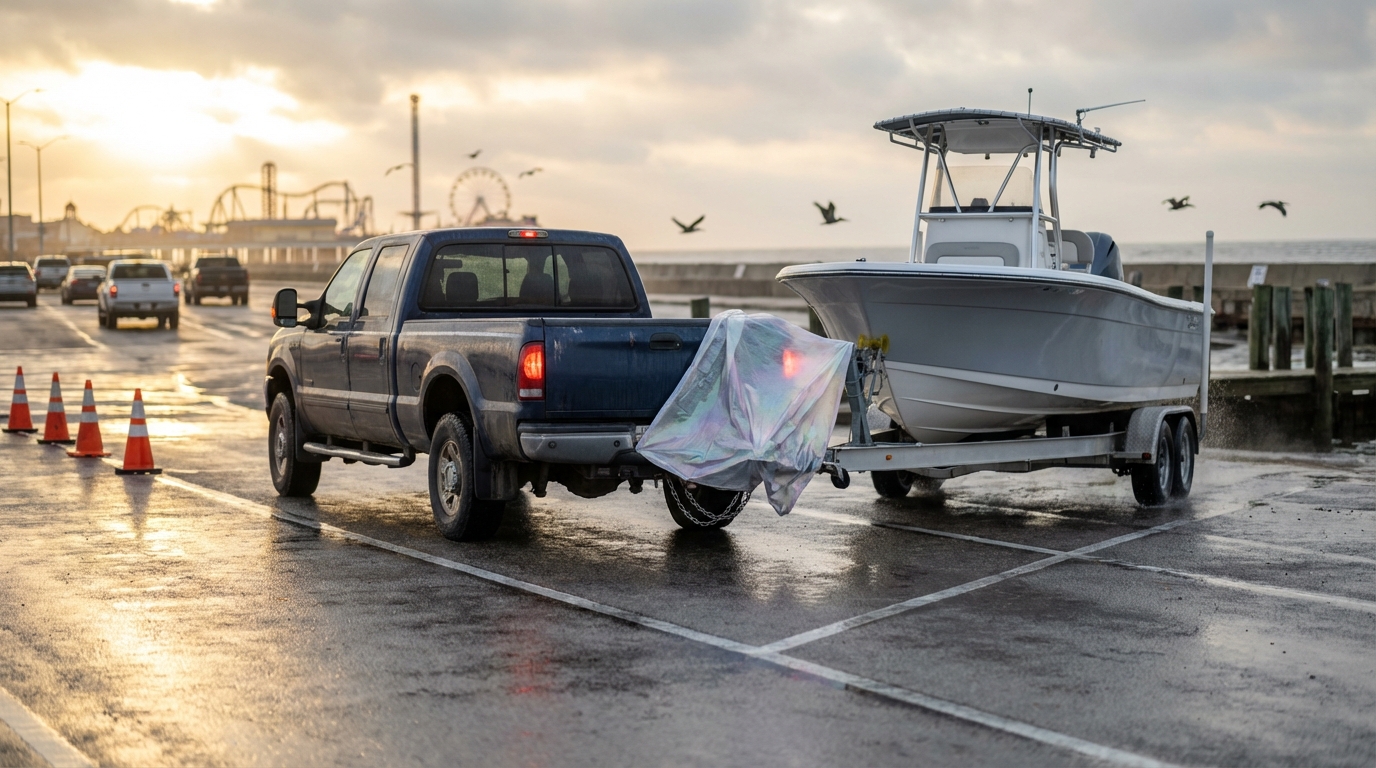
Example 1: a blowout leads to an accident. You’re towing from Galveston toward Texas City and a trailer tire fails at speed. The trailer fishtails, the fender shreds, and the hub assembly is damaged when the wheel comes apart. Trailer coverage may help with the physical damage to the trailer caused by the accident, but it may not pay for the worn tire itself if it failed due to age or lack of maintenance. Example 2: theft at a storage lot. A trailer is parked at a lot near League City or Dickinson and disappears overnight. If the trailer is scheduled and you have a police report plus proof of ownership (title/registration, bill of sale, photos, serial/VIN), trailer coverage often responds up to the limit. Example 3: damage at a busy ramp. At a crowded Galveston launch, another driver backs into your parked trailer, bending the tongue and jack. Your coverage may pay and then pursue the at-fault party, but having photos and witness info can make or break how quickly it resolves.
Main Point 3: Where Trailer Coverage Commonly Stops (And Why)
Most frustration comes from exclusions that sound obvious only after a loss. Wear and tear is the big one: rusted bearings, old tires, corroded wiring, and failing brakes are maintenance issues, not sudden accidents. Improper loading is another common stopping point—if the boat isn’t secured correctly, the tongue weight is off, or tie-downs fail and the damage is traced to poor setup, coverage may be limited or denied. Overloading the trailer beyond its rating can create similar problems. Some policies also limit coverage for mechanical breakdown (like a winch failing without an external accident) or for gradual deterioration from saltwater exposure. Even when the loss is covered, the deductible applies, and the claim payout can be capped by the trailer’s stated value or actual cash value. The best approach is to treat the trailer like essential equipment: document it, maintain it, and insure it to a realistic replacement number.
Local Relevance: Galveston-Specific Risks When You Tow
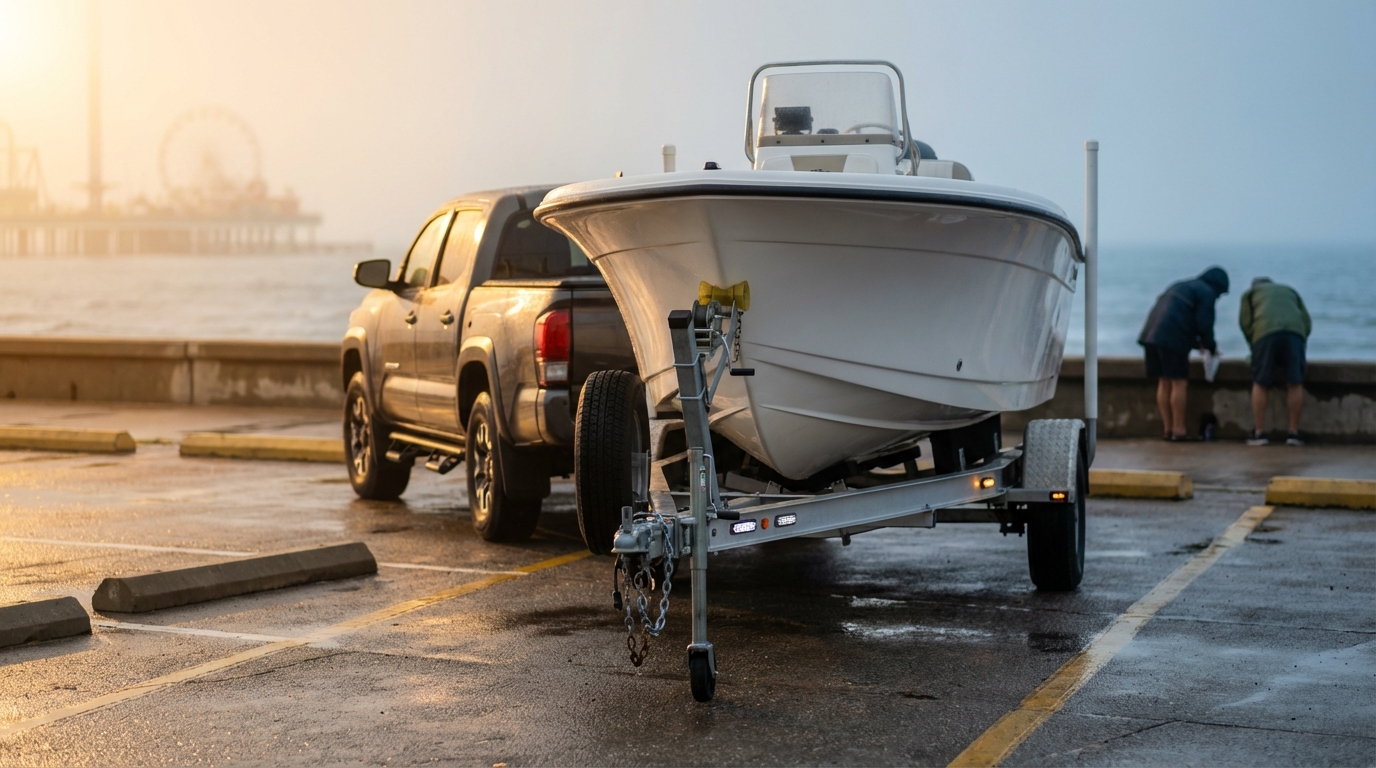
Galveston towing risks are a little different than inland Texas. Salt air and humidity accelerate corrosion on brakes, hubs, and wiring, so a “small” maintenance issue can turn into a roadside incident faster than you’d expect. Busy weekends near the Seawall, marina entrances, and popular ramps increase the odds of low-speed impacts—bent guide posts, cracked lights, and damaged jacks are common. Theft risk can also rise when trailers are left unattended at lots or side streets, especially if the trailer is easy to move and lacks a coupler lock. If you regularly tow through La Marque, Santa Fe, or Friendswood, it’s also worth thinking about where you park during stops—restaurants, fuel stations, and hotel lots can be prime targets. Local tip: keep a current photo set of your trailer (both sides, VIN/serial plate, accessories) and store it in your phone, because that’s often the fastest way to prove what was taken or damaged.
Key Takeaways For Trailer Coverage While Towing
- Confirm the trailer is actually listed or endorsed on your boat policy, with a limit that matches real replacement cost in Galveston.
- Collision, theft, and vandalism are commonly covered causes of loss; maintenance issues like worn tires, rust, and bearings are usually not.
- A blowout-related crash may be covered for resulting trailer damage, but the failed tire itself is often treated as wear and tear.
- Theft claims go smoother with a police report, trailer VIN/serial number, registration/title, purchase paperwork, and clear photos.
- Avoid improper loading problems: correct tongue weight, working winch and safety chains, rated straps, and properly adjusted brakes and lights.
- At busy ramps, take quick photos, get witness info, and document the other driver’s details—small steps that can prevent long delays.

Next Steps: How To Set Up Trailer Coverage The Right Way
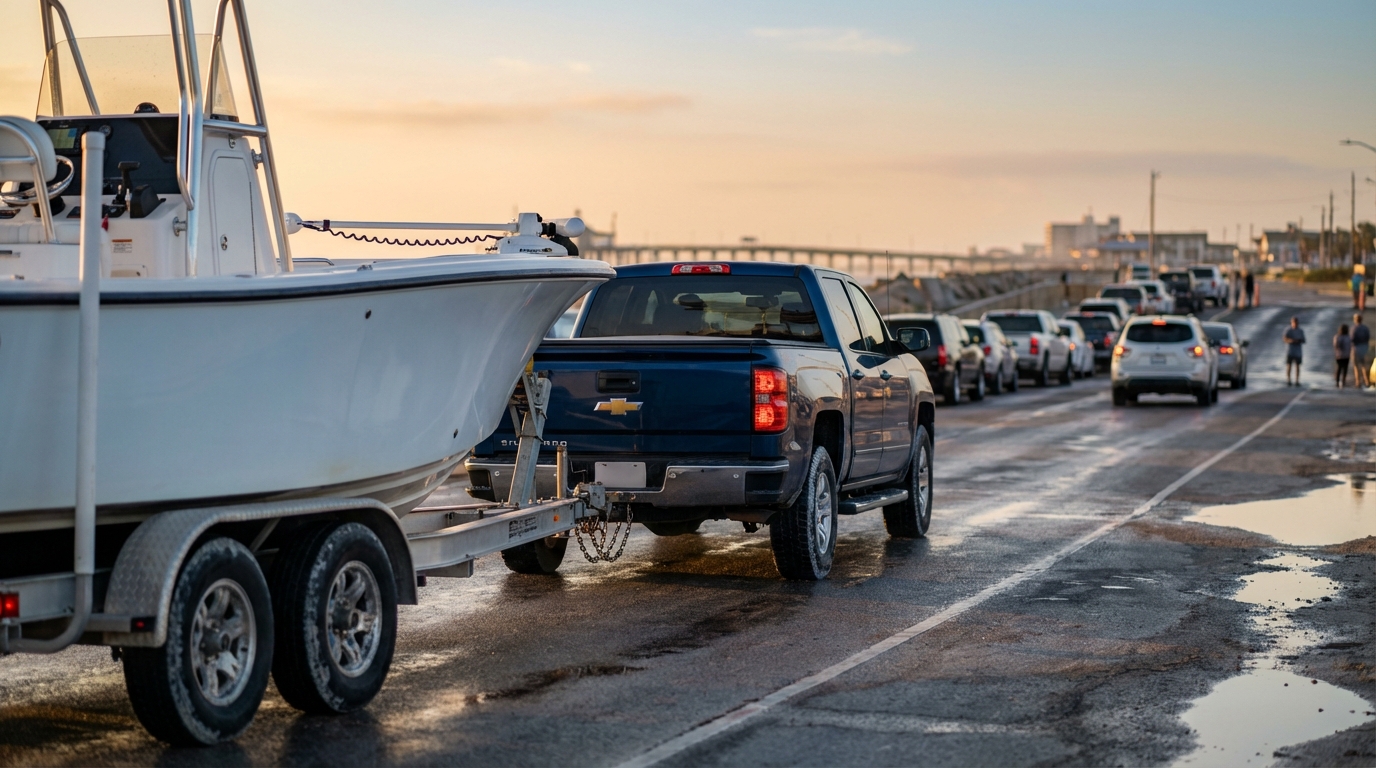
If you want trailer coverage to work the way you expect in Galveston, start with three quick checks. First, verify how the trailer is insured: is it included under your boat policy, added by endorsement, or expected to be insured separately? Second, confirm the limit and settlement basis—if your trailer is worth more than the coverage amount, you could be stuck paying the difference after a loss. Third, review the exclusions that most commonly affect towing claims: wear and tear, corrosion, improper loading, and unattended theft requirements (like locks or secure storage). The O'Donohoe Agency can help you compare options, choose a realistic trailer value, and make sure your boat-and-trailer setup makes sense for how you actually tow around Galveston, Texas City, League City, Dickinson, La Marque, Santa Fe, Friendswood, and Clear Lake.
Get Help Reviewing Your Trailer Coverage In Galveston
Not sure if your trailer is truly covered while towing, parked at a ramp, or stored off-site? Request a quote and we’ll help you line up the right trailer coverage limits and options for how you use your boat in Galveston.
Get My Quote