

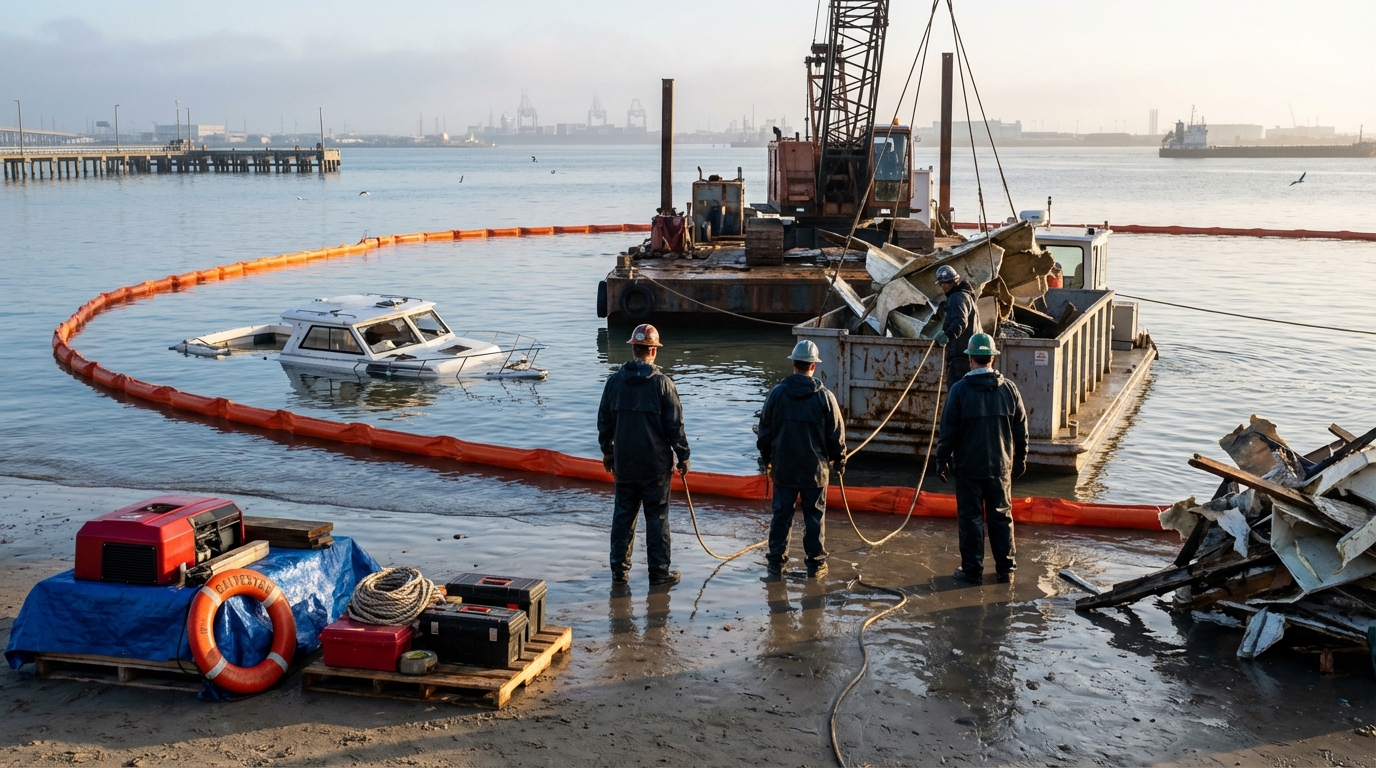
Salvage Vs. Wreckage Removal: Why This Confuses Galveston Boat Owners
After a grounding, sinking, or collision near Galveston, people often ask one simple question: “Will my insurance pay to get the boat out?” The tricky part is that “getting it out” can mean two different services. Salvage is about saving property (your boat and gear) and preventing further damage. Wreckage removal is about removing a hazard or obstruction (the wreck) when it threatens navigation, the environment, or a marina’s operations. In a busy coastal area like Galveston—with marinas, channels, and changing conditions—knowing the difference can help you avoid delays, protect your coverage, and reduce the chances you end up paying a big bill out of pocket.
Plain-English Definitions: Salvage, Wreckage Removal, and Related Terms
Salvage typically means the labor and equipment needed to recover or refloat a boat and move it to a safe place, such as a marina or boatyard, after an accident. Wreckage removal usually refers to the cost to remove the remains of a vessel (or parts of it) when it’s sunk, stranded, or otherwise creating a hazard. You may also hear “tow,” which is often a routine assist when the boat is still afloat and not in immediate danger, and “pollution response,” which involves fuel or oil containment and cleanup. These terms matter because many boat policies treat them differently: salvage might be tied to hull coverage and limits, while wreck removal may be a separate coverage, endorsement, or condition triggered by a legal obligation to remove the wreck.
How Coverage Is Commonly Handled in Boat Policies
Most boat insurance policies are built around hull coverage (physical damage) plus liability, and salvage and wreck removal can fall under different parts of the contract. Salvage is often covered when it’s necessary due to a covered loss—think: you hit debris, take on water, and a salvor refloats the boat and transports it to a repair facility. Wreckage removal may be covered when you’re legally required to remove the wreck, or when the wreck is deemed a hazard. A key detail is how limits apply: some policies include salvage and wreck removal within the hull limit, while others provide an additional limit or percentage. That distinction can decide whether you have enough coverage left to repair or replace the boat after paying recovery costs.
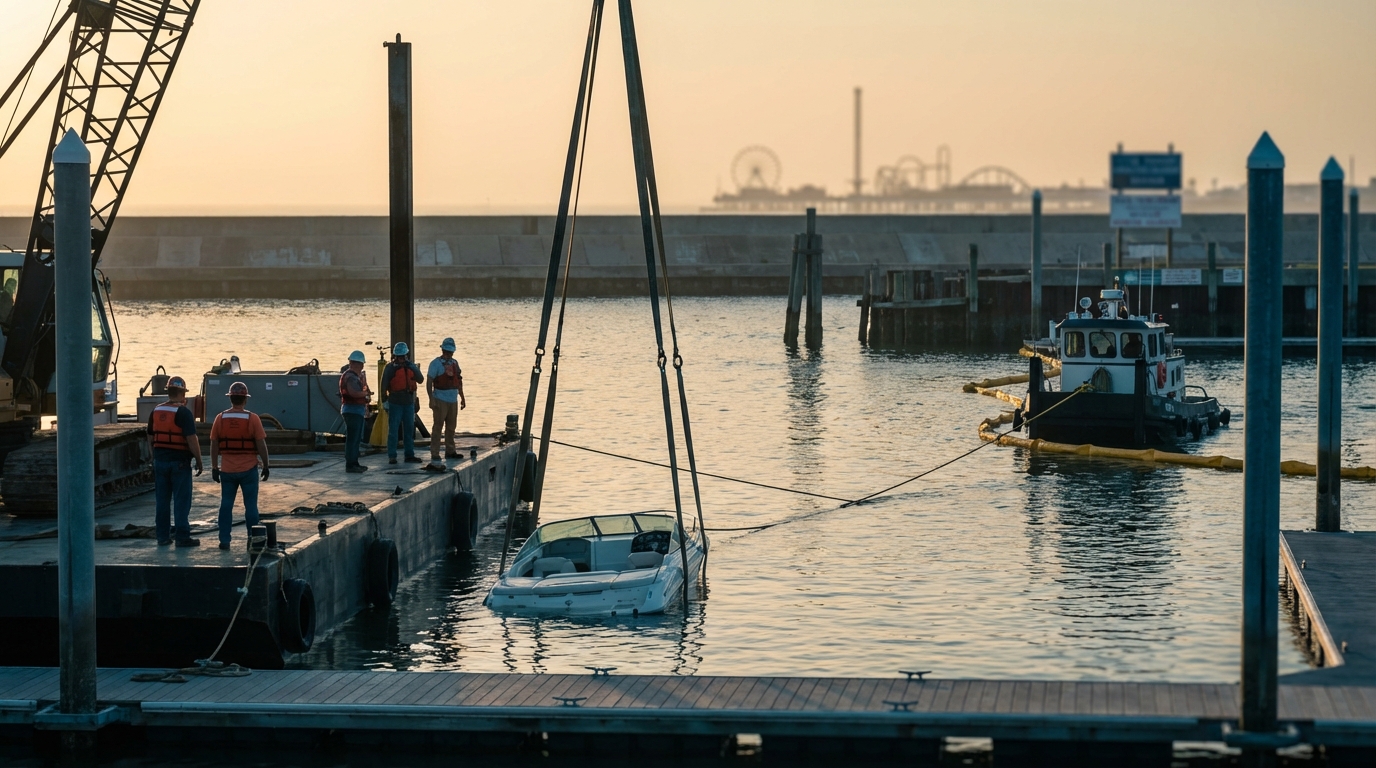
What Drives Salvage Costs Around Galveston (And Why Bills Can Spike)
Salvage pricing is heavily situational, and Galveston-area conditions can push costs up fast. Location matters: a boat that sinks in a slip may require divers, lift bags, and coordination with the marina, while a grounding near a channel can require specialized equipment and safety measures. Depth and access are major drivers—shallow, soft-bottom groundings can be simpler than a vessel pinned on structure or sitting in a tight berth. Hazards also add cost: fuel on board, electrical risks, entanglement, nighttime operations, or the need to control debris. Finally, urgency affects price. If weather is deteriorating or the boat is actively taking on water, salvage becomes a time-critical operation with more personnel and gear mobilized quickly.
What Drives Wreckage Removal Costs (And When It Becomes Mandatory)
Wreckage removal is often less about “saving” the boat and more about removing an obstruction and limiting environmental or navigation risk. Costs can climb when a wreck is in a high-traffic area, near marina entrances, or in places where authorities or property owners require prompt action. Cutting and disposal can become the biggest expense if the boat is a total loss and must be dismantled, hauled out, and disposed of properly. Permits, environmental precautions, and containment (especially if fuel or oil is involved) can add layers of complexity. In and around Galveston, wreck removal can also involve coordination with marinas, local rules, and any applicable state or federal requirements, which may affect timelines and vendor availability.
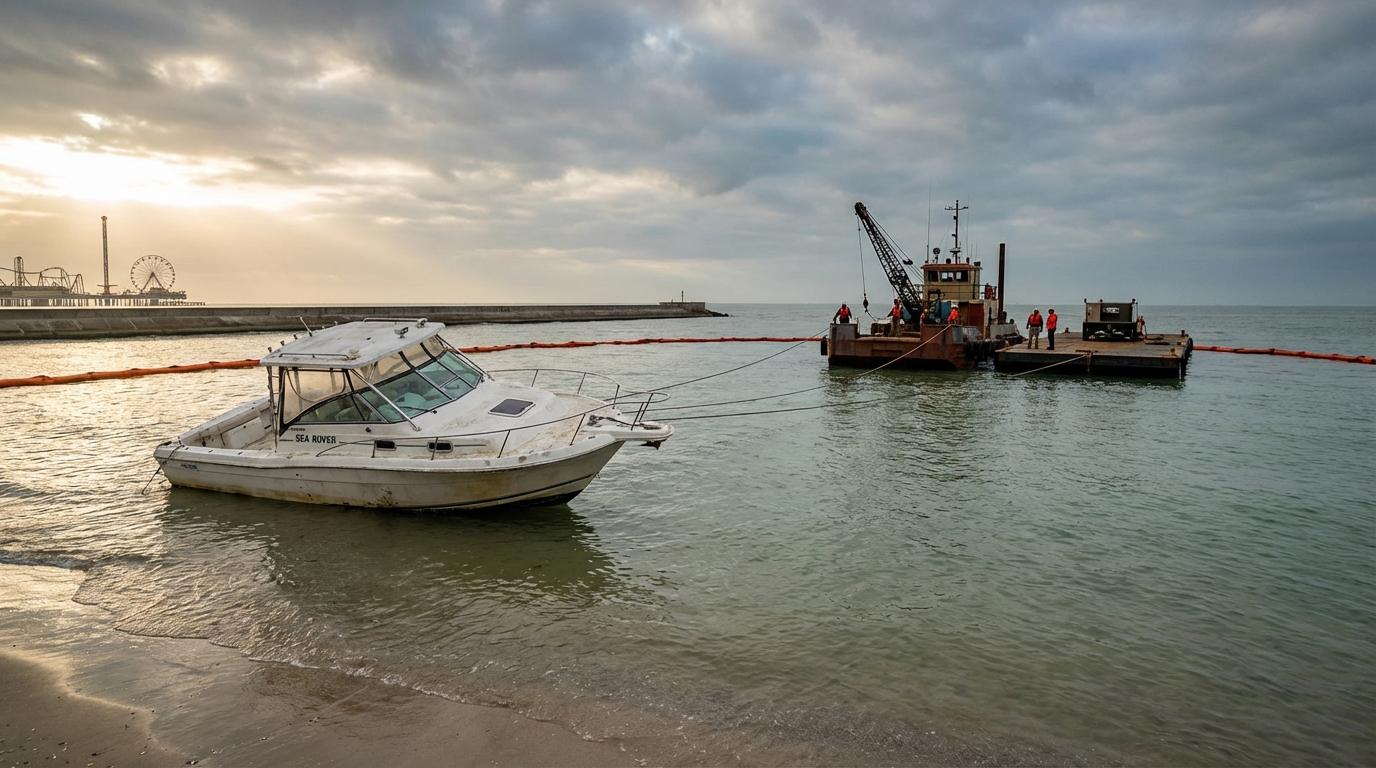
How Insurers Coordinate Salvors, Towing, Marinas, and Adjusters
In a well-run claim, the insurer (or their claims administrator) helps coordinate the right vendor for the situation: towing for a disabled but stable boat, a salvor for a sinking/refloat, or a wreck removal contractor when the vessel is a hazard. The adjuster’s job is to confirm coverage, document the loss, and approve reasonable steps to protect the property and prevent additional damage. In Galveston, marina requirements can influence who can work on-site, what hours operations can occur, and where the boat can be staged after recovery. Good documentation also matters: photos, the incident timeline, and any communication from a marina or authority can speed up approvals. The smoother the vendor coordination, the less likely you are to face storage fees, surprise invoices, or delays that worsen damage.
Galveston-Specific Scenarios Where the Distinction Really Matters
Galveston boat claims often involve circumstances where salvage and wreck removal overlap. Example: a boat takes on water in a slip near Galveston and settles on the bottom. Salvage may involve pumping, patching, and refloating; wreck removal could come into play if the vessel can’t be restored to a safe condition and must be removed from the marina to eliminate a hazard. Another common scenario is a grounding that blocks access or creates a navigation issue—moving the boat off the hazard can be salvage, but if the hull breaks apart and debris scatters, removal may become a separate, more expensive operation. Nearby communities like Texas City, League City, Dickinson, La Marque, Santa Fe, Friendswood, and Clear Lake can see similar marina-driven requirements and timelines, especially when slips are tight and operations must be coordinated carefully.
Key Takeaways to Reduce Delays and Out-Of-Pocket Costs
- Know your policy language: Ask whether salvage and wreck removal are inside the hull limit or have additional limits, and whether legal obligation triggers wreck removal coverage.
- Call your insurer early: Quick reporting helps the adjuster approve emergency steps and coordinate vendors before storage, standby time, or marina fees escalate.
- Document everything: Take wide and close photos, capture the HIN, location, and time, and keep copies of marina notices or any written removal demands.
- Avoid signing open-ended authorizations: If a vendor asks you to sign, confirm who is paying, what work is authorized, and whether the insurer has approved it.
- Mitigate safely: Reasonable steps like shutting off fuel, securing the boat, or preventing further flooding can protect coverage, but don’t take risks that endanger you or others.

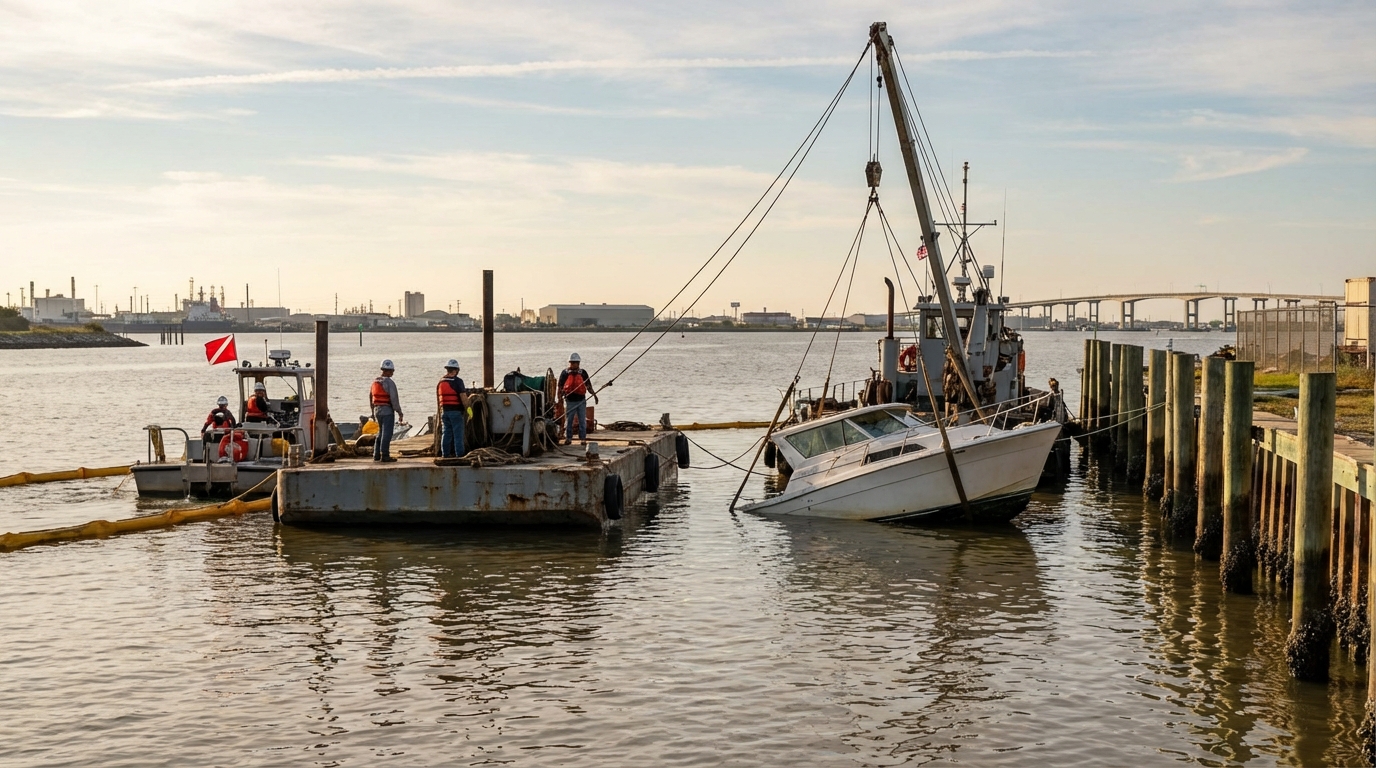
Next Steps: Review Your Limits Before You Need Them
If you boat out of Galveston, the best time to clarify salvage and wreck removal coverage is before something happens—especially heading into storm season or a busy summer on the water. Start by checking your declarations page for hull limits and any endorsements that mention salvage, wreck removal, towing, or pollution. Then look for how limits apply: are salvage and wreck removal included in the hull amount, provided as an extra amount, or subject to a separate cap? If you’re not sure how your policy would respond to a marina demand letter, a sunk-in-slip situation, or a channel hazard, it’s worth getting a plain-English walkthrough. The O'Donohoe Agency can help Galveston boat owners compare options, tighten up limits, and avoid gaps that only show up when the bill arrives.
Get a Galveston Boat Policy Review
Want to know how your current coverage treats salvage, wreckage removal, towing, and pollution response? Request a quick quote or policy review with The O'Donohoe Agency and get clarity before you’re dealing with an emergency.
Get My Quote