Wreckage Removal for Seabrook Residents
Wreckage Removal is a boat insurance coverage that can help pay to remove your boat (or what’s left of it) after a covered loss. For Seabrook boaters who keep vessels near Clear Lake, Kemah, or along the waterfront by Seabrook’s marinas and ramps, the big risk isn’t only the damage to the boat—it’s the cost and legal pressure to get the wreck out of the water quickly. If a boat sinks at a slip, grounds in shallow areas, or breaks apart after a storm, marinas and authorities may require removal to protect navigation and the environment. This coverage is designed to help with those expensive, time-sensitive obligations.
Why Seabrook Needs Wreckage Removal
Seabrook’s boating lifestyle is closely tied to Clear Lake and the nearby open water of Galveston Bay, where changing weather, busy channels, and shallow areas can turn a minor incident into a major salvage bill. Sudden Gulf storms, strong winds, and hurricane season can cause boats to break free, collide, or take on water at the dock. Groundings and submerged hazards are also a concern in areas with shifting bottom contours and heavy traffic. If your boat becomes a hazard to navigation or threatens docks and bulkheads, you may be responsible for removal and cleanup even before the full claim is settled. Wreckage Removal helps address that local reality.
What’s Covered (and How It Applies in Seabrook)
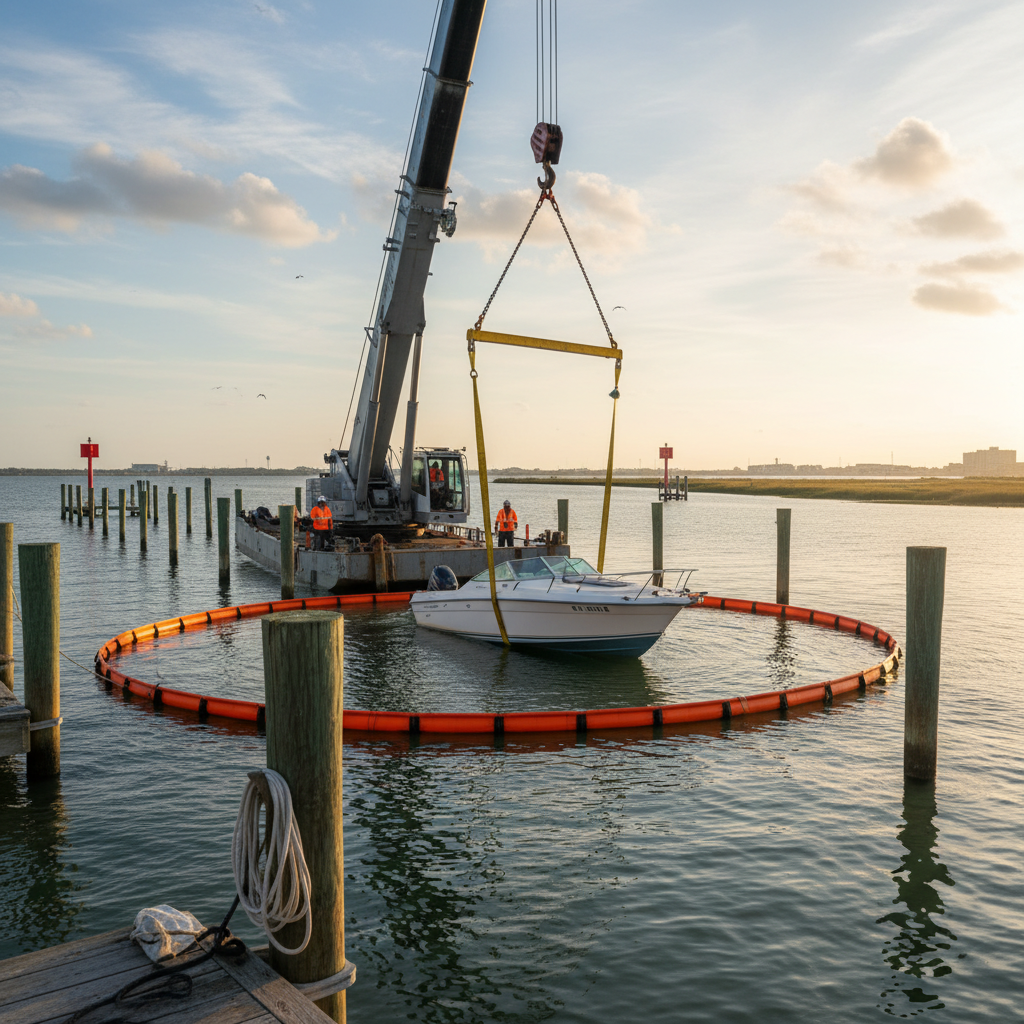
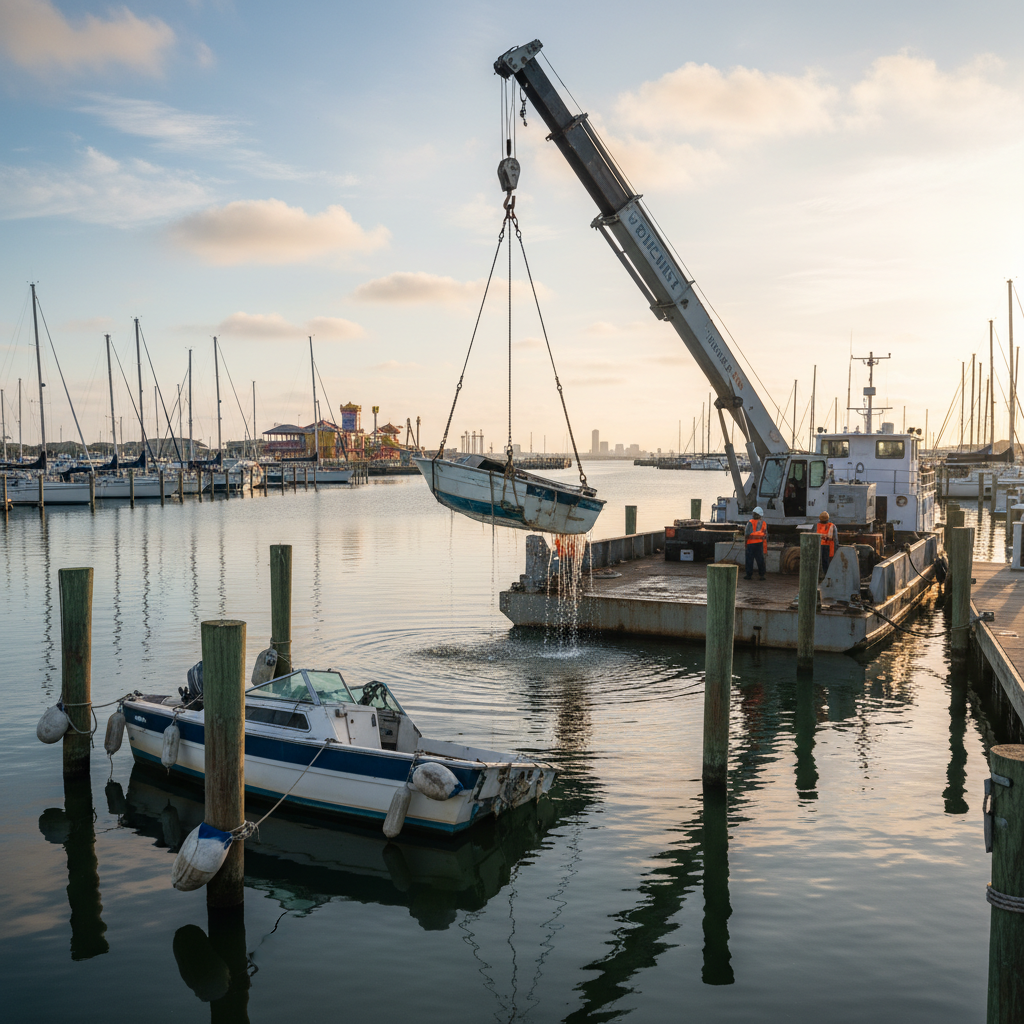
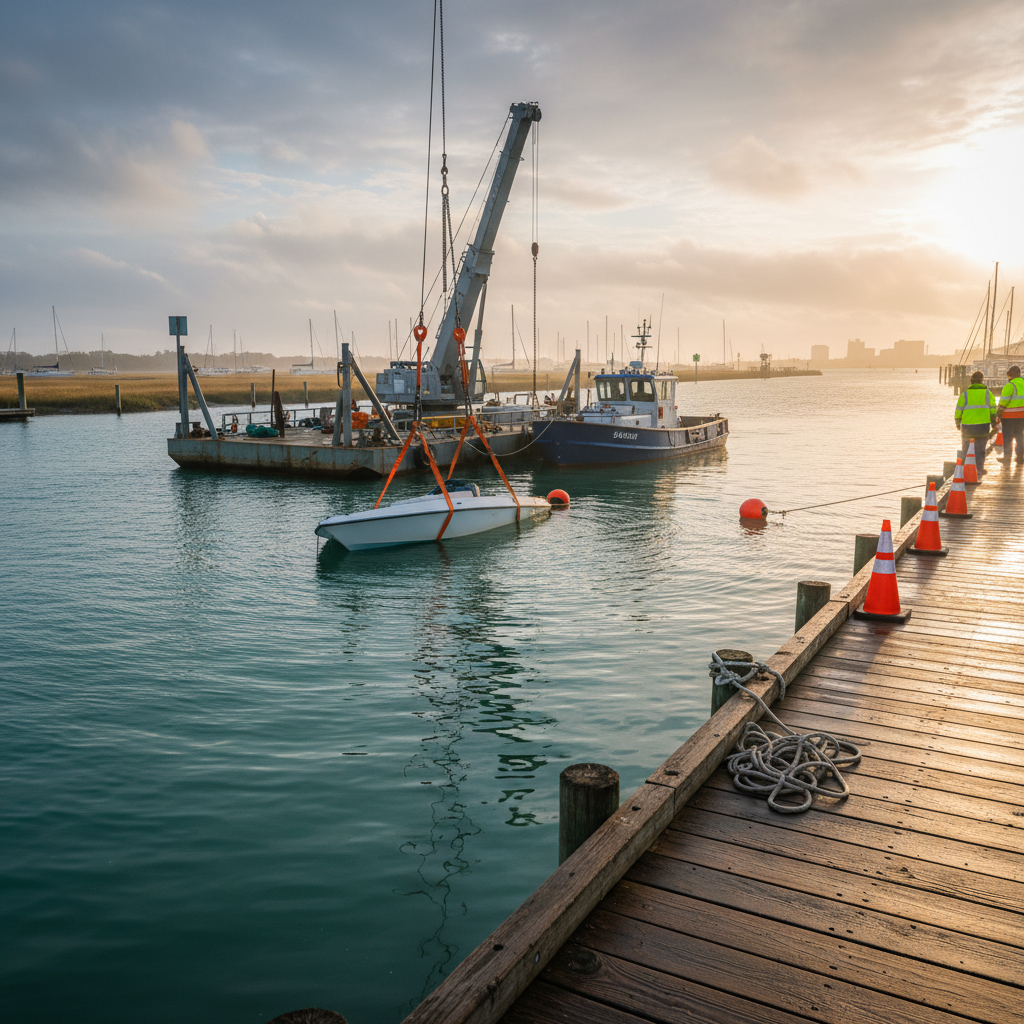
Wreckage Removal coverage typically helps pay reasonable costs to raise, remove, or dispose of your boat after a covered loss, such as a sinking, collision, fire, or severe storm damage. In Seabrook, that can mean coordinating with salvage operators who work the Clear Lake and Bay area, paying for cranes or lift bags, towing a partially submerged hull, and disposing of debris that could damage other boats or docks. Depending on the policy, it may also help with costs tied to removing the wreck from a marina slip, a channel, or shoreline areas after a storm. Coverage details vary, so it’s important to confirm limits, triggers, and whether removal is required by law or by a marina contract.
Key Benefits for Seabrook Boat Owners
- Helps cover salvage and removal costs after a sinking, grounding, or storm loss
- Supports quick compliance with marina rules and navigation-safety requirements
- Can reduce out-of-pocket costs for cranes, lift bags, towing, and disposal
- Helps protect you financially when a wreck threatens docks, seawalls, or other boats
- Pairs well with liability and pollution coverage for a more complete protection plan
Seabrook Coverage Costs and Factors
The cost of adding Wreckage Removal is usually driven more by your boat’s risk profile than by Seabrook alone, but local conditions can influence how insurers view exposure. Key factors often include the boat’s value, size, construction, horsepower, and how and where it’s stored (wet slip on Clear Lake vs. dry storage). Hurricane-season exposure and your chosen deductible can also affect pricing. Another major variable is the coverage limit: some policies include wreckage removal within the hull limit, while others offer it as an additional limit or percentage. If your marina contract requires higher limits or specific language, that can shape the policy structure and premium.
Filing a Claim in Seabrook
If you have an incident in Seabrook—like a sinking at the dock, a collision near the channel, or storm damage that leaves debris—prioritize safety and prevent further damage if you can do so safely. Notify your insurer promptly and document the scene with photos and video, including the vessel’s position, any visible fuel sheen, and damage to docks or neighboring boats. Keep receipts and written estimates from tow and salvage providers, and get the marina’s written removal demand if one is issued. In a busy area like Clear Lake, timing matters: salvage and haul-out resources can be strained after major weather events, so early reporting helps coordinate approvals and avoid delays.
Common Coverage Gaps Seabrook Boaters Should Watch For
A frequent gap is assuming wreckage removal is unlimited or automatically included at a high amount. Some policies cap removal expenses, treat them as part of the hull limit (reducing what’s left for repairs), or require that removal be legally mandated. Another overlooked issue is marina contract language: Seabrook-area marinas may require you to remove a wreck immediately, even if the loss cause is still being investigated. Also, wreckage removal is not the same as pollution coverage—fuel or oil cleanup may fall under separate pollution liability provisions. Finally, exclusions can apply for wear and tear, poor maintenance, or gradual water intrusion. Reviewing these details before hurricane season can prevent expensive surprises.
Getting Started with The O'Donohoe Agency
The O'Donohoe Agency helps Seabrook boat owners compare options for Wreckage Removal and related protections, with local awareness of how Clear Lake and Galveston Bay risks show up in real claims. From our home base in Galveston, we regularly assist customers across nearby communities including League City, Dickinson, Friendswood, and Clear Lake. To start, we’ll ask where you keep the boat, how you use it (bay cruising, fishing, weekend trips), and any marina requirements you need to meet. We’ll then help you choose a wreckage removal structure and limit that fits your boat, your budget, and the practical realities of removing a wreck quickly in the Seabrook area.
Get a Seabrook Wreckage Removal Quote
Request a boat insurance quote tailored to Seabrook, including wreckage removal limits that match your marina and how you use your boat on Clear Lake and Galveston Bay.
Get My QuoteFrequently Asked Questions
Often, yes. Many marina agreements around Seabrook and Clear Lake require you to remove a sunken or disabled vessel promptly to protect docks and navigation. Even when not mandated by a contract, authorities may require removal if the boat is a hazard. Your policy language determines whether wreckage removal is covered automatically, covered only when required, or limited by a cap.
Pricing varies by boat value, size, storage method, deductible, and the limit you select for wreckage removal. Boats kept in wet slips with higher storm exposure can sometimes see higher premiums than boats stored on trailers or in dry storage. The best way to estimate cost is to quote your exact boat and confirm whether wreckage removal is included in the hull limit or provided as an additional amount.
Wreckage removal usually focuses on raising, removing, and disposing of the wreck after a covered loss. Towing and assistance can be separate coverages, and salvage may be addressed differently depending on the policy form. If you boat frequently on Clear Lake and into Galveston Bay, it’s smart to review how your policy defines salvage, towing, and wreckage removal so there are no gaps when you need help quickly.
Make sure everyone is safe, contact emergency services if needed, and notify the marina. Then report the claim to your insurer as soon as possible, document the scene with photos and video, and keep copies of any written removal demands. Avoid authorizing major salvage work without guidance unless immediate action is required to prevent further damage or comply with safety orders—your insurer can help coordinate approvals and documentation.
Not always. Fuel and oil cleanup may fall under separate pollution liability coverage, which can be critical in marinas and waterways around Seabrook. When you review coverage, confirm whether pollution is included, what triggers it, and what limits apply, especially if your boat has larger fuel capacity.
Related Coverage
Explore other coverage options
Get a Free Quote
Fill out the form below and we'll connect you with the right coverage options.
Coverage Options Near Seabrook
Explore the same coverage type in nearby areas.