Wreckage Removal for Kemah Residents
Wreckage removal coverage is the part of a boat insurance policy designed to help pay for the cost to recover, move, or dispose of your vessel after a serious loss. For Kemah boat owners who keep boats near the Kemah Boardwalk, Clear Lake, and the Galveston Bay system, this matters because a damaged or sunken boat can quickly become a navigation hazard or a marina compliance issue. In many situations you may be required by a marina, the Coast Guard, or local authorities to remove the wreck promptly. Without this coverage, the salvage bill, crane fees, and disposal costs can come straight out of pocket.
Why Kemah Needs Wreckage Removal
Kemah’s boating scene is active year-round, with heavy weekend traffic near the Boardwalk, marinas around Clear Lake, and quick access to open water through Galveston Bay. That activity increases the odds of collisions, groundings, or mechanical failures that can lead to sinking or partial submersion. Weather is another local driver: strong thunderstorms, tropical systems, and surge-driven conditions can push boats into docks, pilings, or each other. In tight marina fairways, even a small incident can block access or damage neighboring slips, triggering urgent removal demands. Wreckage removal coverage helps you respond fast and reduce the financial shock.
What’s Covered (and How It Applies in Kemah)
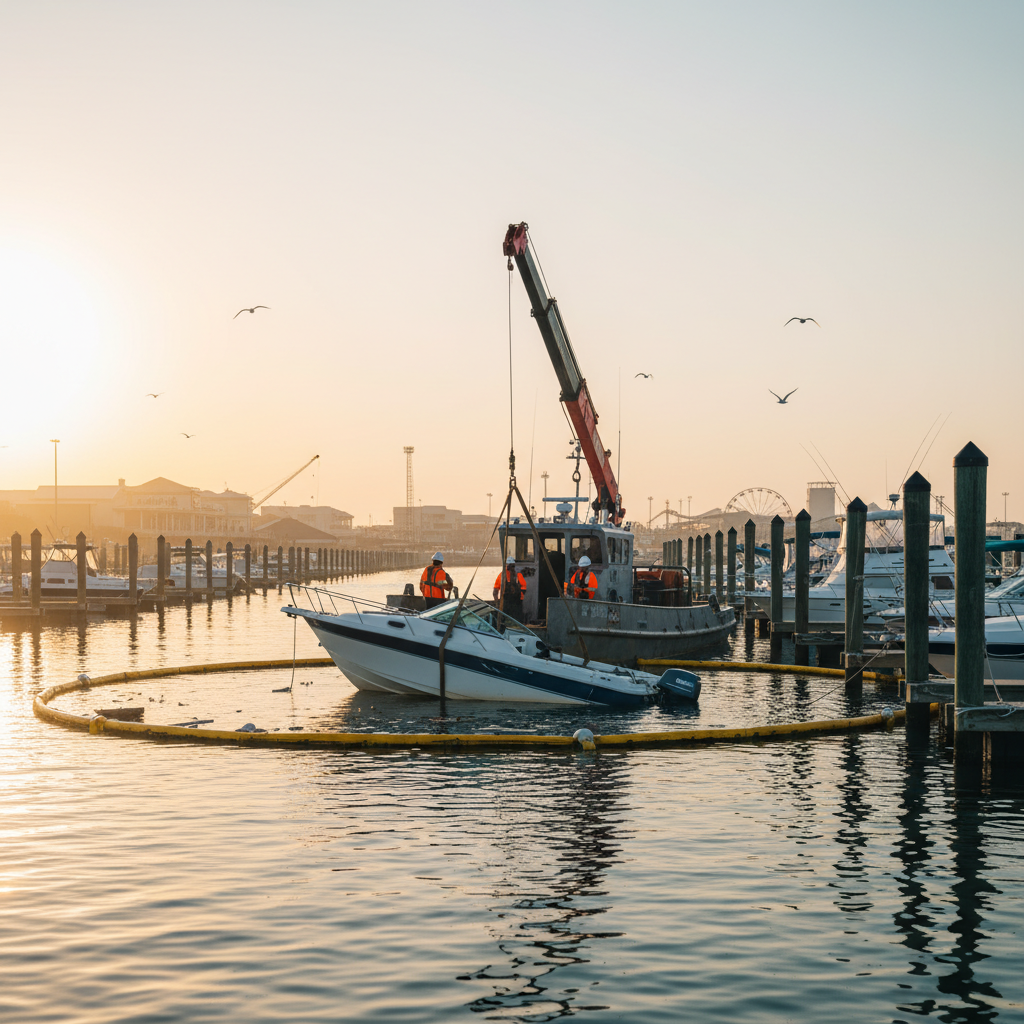
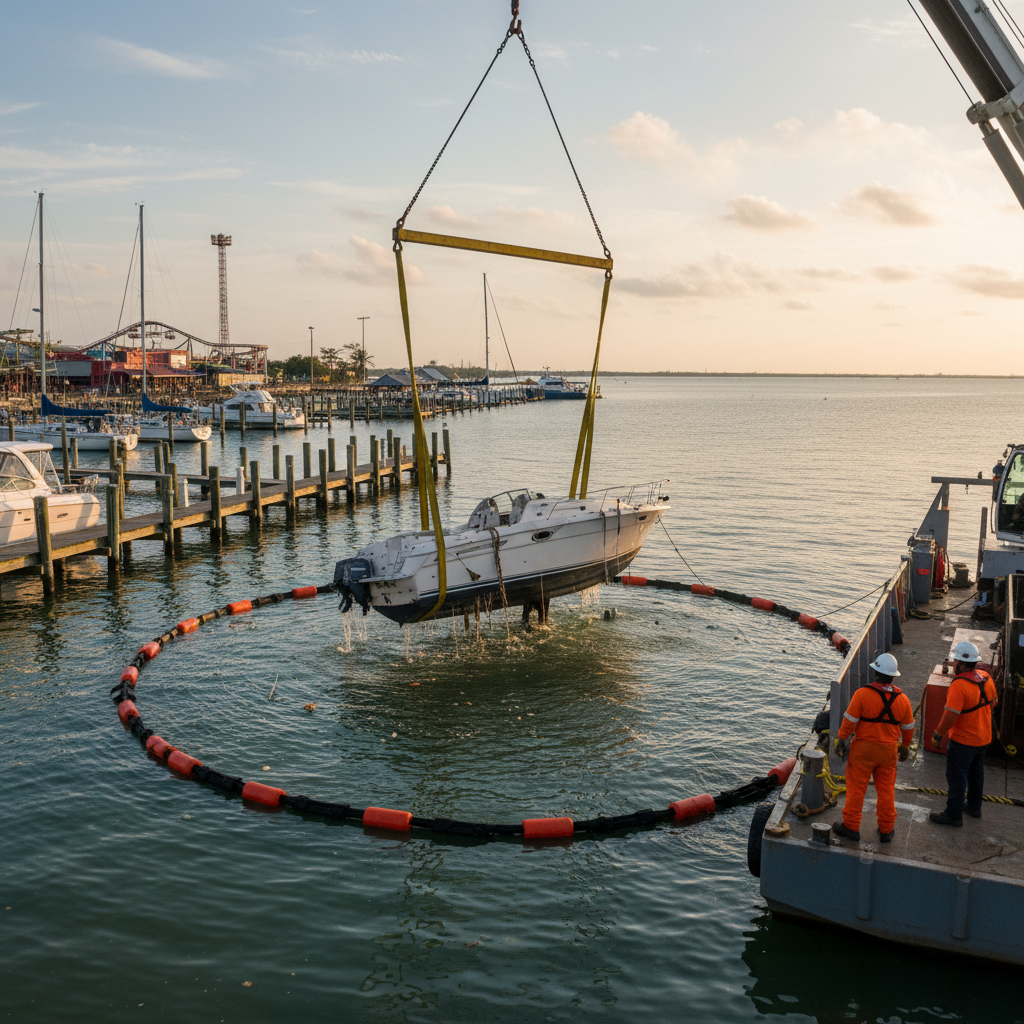
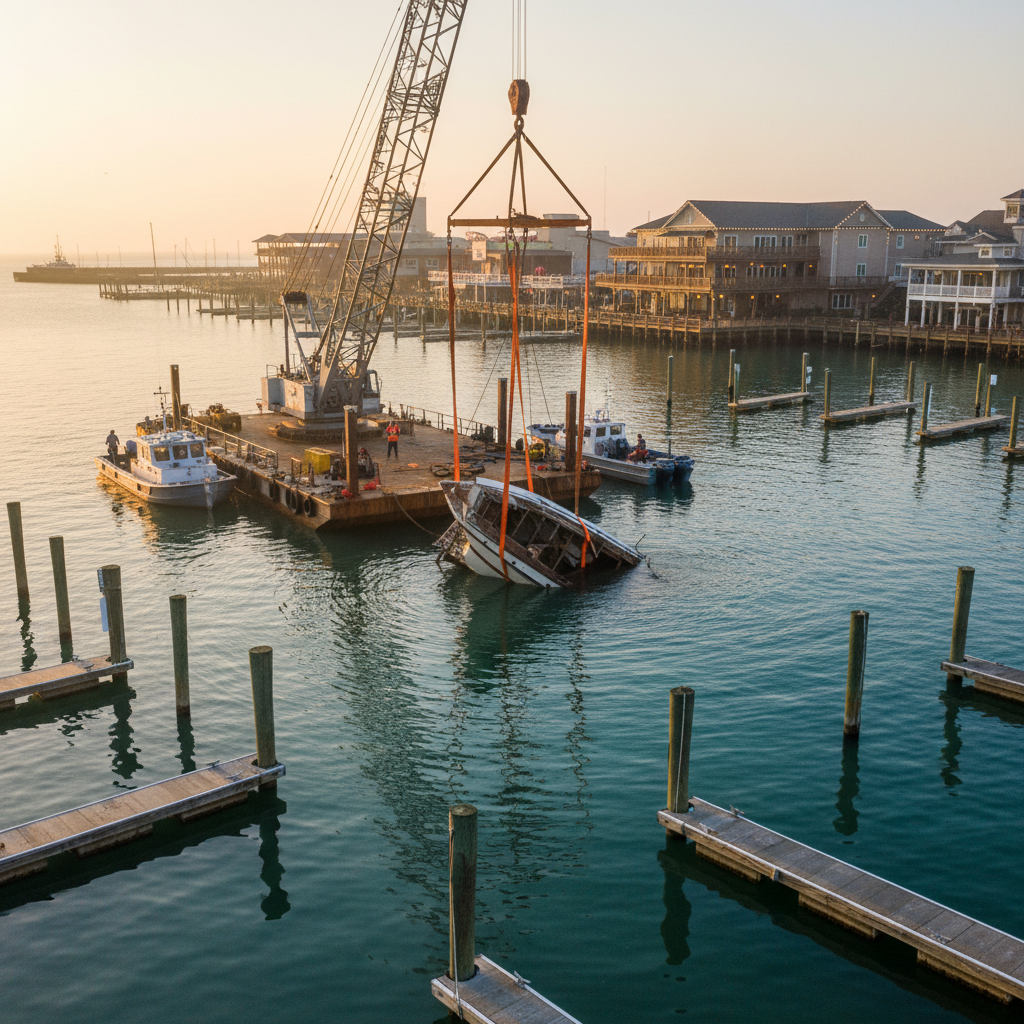
Wreckage removal typically helps pay reasonable costs to salvage or remove your boat after a covered loss, such as a sinking, capsizing, grounding, collision, or storm damage that leaves the vessel disabled. In Kemah, that can include crane or lift services at a local marina, diver time to rig lines, towing to a safe location, and disposal fees if the hull is deemed a total loss. Some policies also address required removal of debris or parts of the vessel that break away. Coverage details vary, so it’s important to confirm whether removal is included within your hull limit or provided as an additional limit, and whether pollution response is separate.
Key Benefits for Kemah Boat Owners
- Helps pay salvage and recovery costs after sinking, grounding, or storm damage near Clear Lake and Galveston Bay
- Supports fast compliance with marina contracts that require prompt removal of a disabled or sunken vessel
- Reduces out-of-pocket exposure for crane, diver, towing, and disposal expenses
- Can help prevent secondary losses by removing hazards before they cause additional damage or liability
- Pairs well with pollution liability for fuel or oil release concerns common after submersion
Kemah Coverage Costs and Factors
The cost of adding or enhancing wreckage removal coverage in Kemah is influenced by how and where you use the boat. Mooring location matters: boats kept in slips around Clear Lake or in high-traffic marina areas may face different risk assumptions than boats stored on trailers. Vessel type and size also drive salvage pricing—larger cruisers, inboards, and boats with complex systems generally cost more to lift, dewater, and transport. Your navigational limits (for example, staying within the bay versus offshore use), hurricane plan expectations, and prior claims history can affect pricing. We also review whether the wreckage removal limit is adequate for local crane and disposal rates.
Filing a Claim in Kemah
If you have a sinking, grounding, or serious damage event in Kemah, safety comes first—account for passengers, then notify the appropriate authorities and your marina if you’re in a slip. Next, contact your insurer as soon as possible to start the claim and confirm what emergency steps are authorized, since salvage vendors often require approval and costs can escalate quickly. Take photos and video of the vessel, the dock area, and any visible damage, and document the time, weather, and exact location (for example, near the Kemah Boardwalk channel or a specific marina basin). Keep receipts for towing, temporary measures, and any required cleanup so reimbursement is smoother.
Common Coverage Gaps Kemah Boaters Overlook
A frequent gap is assuming wreckage removal is automatically “extra” when it may be limited to the boat’s hull coverage amount. If your hull limit is low, you could face a tough situation where the salvage bill competes with repair or total-loss payment. Another common issue in Kemah is marina contract requirements: some agreements require immediate removal and may hold you responsible for damage to docks or neighboring vessels, which is a separate liability consideration. Pollution is another overlooked exposure—fuel or oil release after submersion may trigger cleanup costs that are not fully handled by wreckage removal. Finally, some policies have conditions around hurricane preparation or lay-up periods that can affect claim outcomes.
Getting Started with The O'Donohoe Agency
The O'Donohoe Agency in Galveston helps Kemah boat owners compare options for wreckage removal coverage that fits how you actually use the water—whether you’re docking near the Boardwalk, running day trips across Galveston Bay, or keeping a boat on a trailer for quick launches. We’ll review your boat’s value, typical routes, storage arrangements, and any marina requirements, then recommend limits that better match real-world salvage and disposal costs in the Clear Lake area. If you already have a policy, we can help you spot whether wreckage removal is inside the hull limit, whether you have adequate pollution protection, and what endorsements can close gaps.
Get a Wreckage Removal Quote for Kemah
Request a boat insurance quote tailored to Kemah, including wreckage removal limits that make sense for Clear Lake marinas and Galveston Bay risks.
Get My QuoteFrequently Asked Questions
Many Kemah-area marinas include contract language requiring owners to remove a sunken or disabled vessel promptly. Wreckage removal coverage helps you meet those obligations without absorbing the full salvage and disposal cost yourself. Requirements vary by marina, so it’s smart to review your slip agreement alongside your policy.
Cost depends on boat size, hull value/limit, storage location (slip vs trailer), navigation area (bay vs offshore), and claims history. In Kemah, we also consider likely salvage complexity in tight marina basins and local crane/diver pricing. The best way to estimate is to quote with your exact vessel details and desired limits.
If the sinking is a covered loss and your policy includes wreckage removal, it can help pay to dewater, lift, tow, and move the vessel to a safe location, subject to limits and conditions. Coverage specifics vary, including whether wreckage removal is included within the hull limit or provided as an additional amount.
Not always. Some policies treat pollution or spill response as separate coverage with its own limit and conditions. Because fuel release after submersion is a real concern around Clear Lake and Galveston Bay, it’s important to confirm whether you have dedicated pollution liability in addition to wreckage removal.
Prioritize safety, then notify the marina and appropriate authorities if needed. Contact your insurer quickly to get guidance and authorization for salvage steps, since costs can escalate. Document the scene with photos/video, note the exact location, and save all receipts for towing, emergency measures, and any required cleanup.
Related Coverage
Explore other coverage options
Get a Free Quote
Fill out the form below and we'll connect you with the right coverage options.
Coverage Options Near Kemah
Explore the same coverage type in nearby areas.