Wreckage Removal for Dickinson Residents
Wreckage Removal coverage is the part of a boat insurance policy that helps pay to recover, remove, and dispose of your boat if it sinks, grounds, burns, or becomes a navigational hazard. For Dickinson boaters, this can be especially relevant if your vessel is kept near Dickinson Bayou, launched toward Galveston Bay, or stored in yards and marinas where a damaged boat must be cleared quickly. Without this coverage, you may be responsible for salvage crews, cranes, towing, debris disposal, and even municipal or marina fees. It’s designed to protect you from a “total loss” turning into a second major bill.
Why Dickinson Needs Wreckage Removal
Dickinson sits close to the water and storm corridors that impact the lower Gulf Coast. Heavy rain, surge events, and strong wind can push boats off lifts, swamp them at docks, or drive them into shallow areas and pilings. Areas around Dickinson Bayou, FM 517 crossings, and access routes toward I-45 can also complicate recovery logistics when a boat needs to be hauled out fast. Even when the boat is not in open water, a fire in storage, a trailer accident, or a partial sinking at a slip can trigger removal requirements from a marina, property owner, or local authority. Wreckage Removal helps address those urgent, time-sensitive costs.
What’s Covered
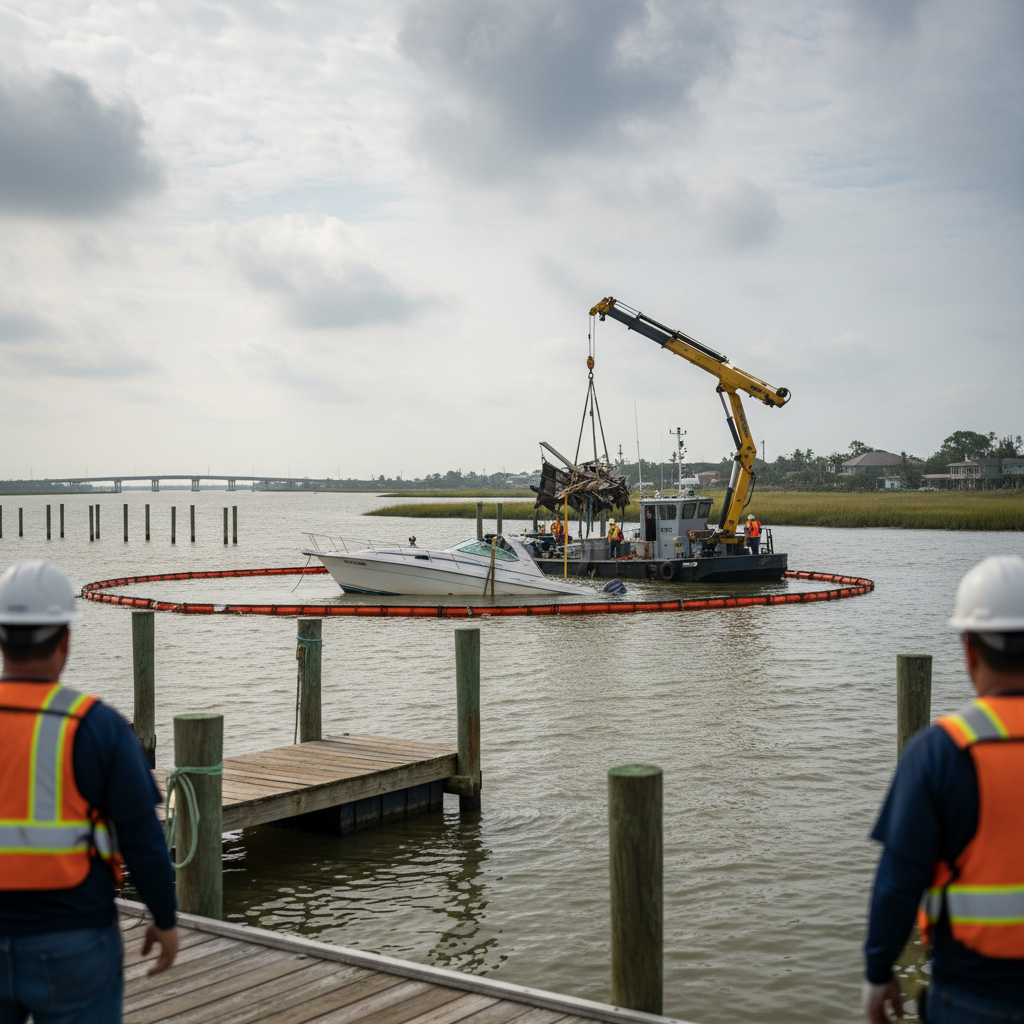
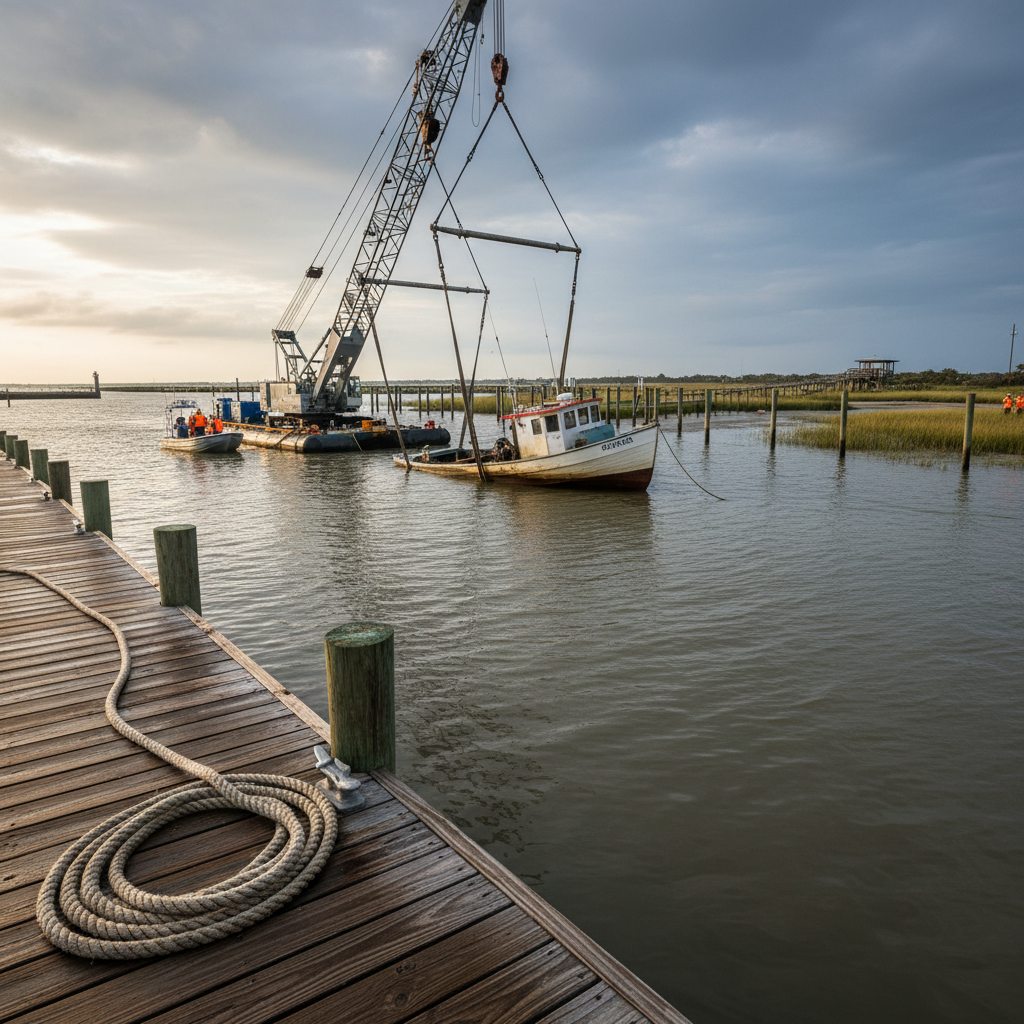
Coverage details vary by carrier, but Wreckage Removal commonly helps with professional salvage and recovery after a covered loss, including raising a sunken boat, towing it to a safe location, and removing it from the water or shoreline. For Dickinson-area scenarios, that might include pulling a grounded vessel off a shallow edge near bayou channels, crane service to lift a damaged boat from a slip, or removal after storm damage leaves it partially submerged. Many policies also tie wreck removal to related obligations such as debris handling and reasonable disposal costs. Important nuance: coverage often applies when removal is required by law, by a marina, or to prevent a navigational hazard, so documentation matters.
Key Benefits for Dickinson Boat Owners
- Helps pay salvage and recovery costs after sinking, grounding, or severe damage
- Supports quick compliance when a marina or authority requires removal
- Reduces out-of-pocket exposure for crane, towing, and disposal fees
- Can help limit secondary liability when a wreck becomes a hazard to others
- Pairs well with hull and liability coverage for more complete protection
Dickinson Coverage Costs and Factors
Pricing for Wreckage Removal is usually bundled into a broader boat policy, and the cost depends on how expensive a salvage could be for your specific setup. In Dickinson, insurers often look at where the boat is kept (slip, lift, trailer, or storage), how close you are to bayou and bay access, and whether the vessel is used in brackish or saltwater. Boat size, hull type, and value matter because heavier boats and deeper-water recoveries can require specialized equipment. Your deductible, navigation territory (for example, staying local versus running regularly into open Gulf conditions), prior claims, and hurricane plan can also influence the overall premium.
Filing a Claim in Dickinson
If you have a sinking, grounding, or major damage event in Dickinson, start with safety and loss prevention: account for passengers, notify the marina or property owner if applicable, and contact the carrier’s claims line as soon as possible. Take clear photos and video of the boat, the surrounding area, and any hazards, especially if the vessel is blocking access or drifting. If fuel or oil is leaking, treat it as urgent and follow reporting guidance from the marina and local authorities. Keep receipts for emergency towing or protective actions, but avoid authorizing major salvage work until the insurer provides direction unless immediate action is required to prevent further damage or comply with a removal order.
Common Coverage Gaps
A common gap is assuming wreck removal is unlimited or automatically included at a high amount. Many policies cap wreck removal at a percentage of the hull limit or include it only when tied to a covered physical damage claim. Another gap is territory: if your policy is written for local waters but you regularly run farther, a loss outside the navigation area may complicate coverage. Dickinson boaters also overlook pollution exposure; wreck removal may not fully address fuel spill cleanup, which can be a separate coverage or sublimit. Finally, pay attention to lay-up periods, named storm deductibles, and storage requirements, since noncompliance can create surprises when you need coverage most.
Getting Started with The O'Donohoe Agency
The O'Donohoe Agency helps Dickinson boat owners compare options for Wreckage Removal limits, how they apply, and how they coordinate with hull, liability, towing, and pollution-related protections. From our Galveston location, we regularly work with boaters throughout the area, including Dickinson, League City, Texas City, La Marque, and Clear Lake. To get started, we’ll ask where the boat is kept, how it’s used, the typical routes you run (bayou, bay, or beyond), and details like length, value, and equipment. We can then recommend practical limit choices so a salvage scenario doesn’t become a major out-of-pocket expense.
Get a Wreckage Removal Quote for Dickinson
If you keep your boat in Dickinson or near Dickinson Bayou, we can help you choose wreckage removal limits that fit your risk and budget. Request a quote to review options with The O'Donohoe Agency.
Get My QuoteFrequently Asked Questions
Often, yes. Many marinas and storage facilities require you to remove a damaged or sunken vessel promptly, and your slip agreement may make you financially responsible. Wreckage Removal coverage can help pay those salvage and removal costs when tied to a covered loss.
It’s typically part of your overall boat insurance premium rather than a standalone line item. Cost is influenced by boat size and value, where it’s stored (slip/lift/trailer), your navigation territory around the Dickinson Bayou and Galveston Bay area, deductibles, and storm-related provisions like named storm deductibles.
Not always. Some policies provide limited pollution coverage, while others require separate pollution liability or have strict sublimits. If you’re concerned about spill response costs, it’s important to review how wreck removal and pollution coverage work together.
Prioritize safety, then notify the marina or property owner and report the claim to your insurer. Document the scene with photos/video, note the exact location, and keep receipts for emergency measures. Avoid authorizing major salvage unless it’s necessary to prevent further damage or meet an immediate removal requirement.
A practical limit depends on how complex recovery could be for your boat. Heavier boats, deeper-water recoveries, and situations requiring cranes can increase costs quickly. We can help you compare carrier options, including whether the limit is separate, capped, or tied to your hull coverage amount.
Related Coverage
Explore other coverage options
Get a Free Quote
Fill out the form below and we'll connect you with the right coverage options.
Coverage Options Near Dickinson
Explore the same coverage type in nearby areas.