Wreckage Removal for Santa Fe Residents
If you live in Santa Fe, you’re likely boating on weekends and holidays—often towing your boat down FM 1764 or along I-45 toward Galveston, Clear Lake, and the bay system. Wreckage removal coverage is designed for the “after” moment: when a vessel is damaged, sunk, grounded, or otherwise becomes a navigational hazard and must be recovered or removed. For Santa Fe owners, this can matter even if you don’t keep the boat in a marina, because losses can happen at ramps, channels, docks, or during transport. The goal is simple: avoid paying out of pocket for expensive recovery and disposal work.
Why Santa Fe Needs Wreckage Removal
Santa Fe’s proximity to coastal water means your boating plans often involve tidal areas, busy traffic near Galveston Bay, and weather that can turn quickly. Thunderstorms, strong winds, and hurricane season can push a damaged boat into pilings, bulkheads, or shallow areas where it becomes difficult to retrieve. Even inland storage isn’t risk-free: a boat can be damaged in a yard, at a storage lot, or during a tow, and then end up needing specialized equipment to move safely. If your vessel sinks or breaks apart near a launch or shoreline, local authorities or property owners may require prompt removal—wreckage removal coverage helps you comply without a major financial hit.
What’s Covered
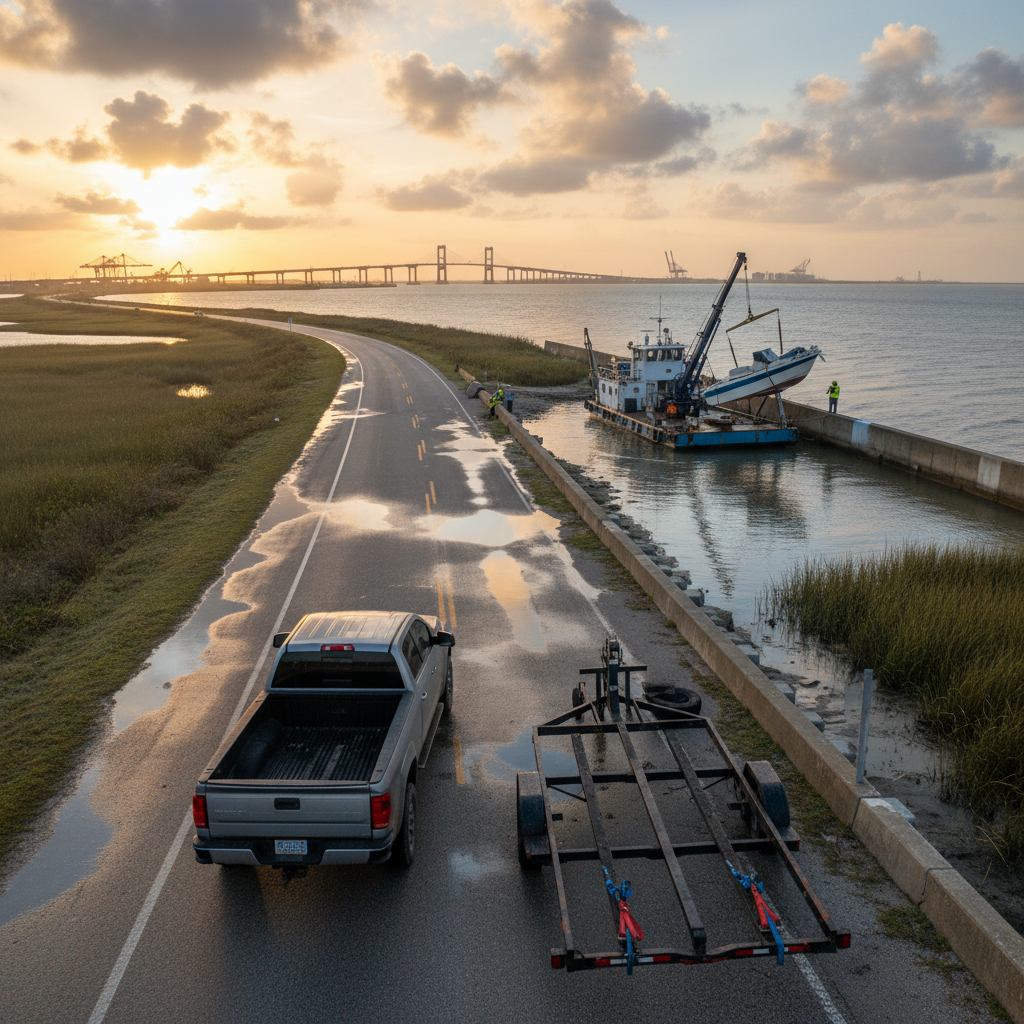
Wreckage removal coverage typically helps pay the costs to recover, remove, and sometimes dispose of your boat after a covered loss—especially when the boat is submerged, grounded, or creating a hazard. For Santa Fe boaters, that can look like raising a sunken hull after a storm, pulling a grounded vessel off a flat, or removing debris after a collision near a channel. Depending on the policy, it may include labor, specialized salvage equipment, towing related to recovery, and fees charged by salvage operators. Some policies also address associated cleanup concerns, but limits and triggers vary, so it’s important to confirm whether removal is tied to physical damage coverage or can apply under liability requirements.
Key Benefits for Santa Fe Boat Owners
- Helps cover salvage and recovery costs after a sinking, grounding, or severe damage
- Supports compliance when a marina, property owner, or authority requires removal
- Reduces out-of-pocket expenses for cranes, divers, winching, and transport to a yard
- Useful for trailer boaters who launch around Galveston Bay and Clear Lake
- Can help prevent a total loss from becoming a second financial loss due to removal fees
Santa Fe Coverage Costs and Factors
Wreckage removal pricing is usually part of a broader boat policy, and the cost impact depends on how the coverage is structured and the size and type of your vessel. In Santa Fe, common factors include where you use the boat (bay, channels, near marinas, or offshore access), how you store it (driveway, storage lot, or wet slip), and the vessel’s weight and construction—because heavier boats and complex recoveries typically increase potential salvage costs. Your operating radius, hurricane exposure, and whether you have agreed value or actual cash value coverage can also influence the overall premium. The most important number to review is the wreckage removal limit and how it relates to the boat’s insured value.
Filing a Claim in Santa Fe
After an incident affecting a Santa Fe-based boat, prioritize safety and prevent additional damage where possible. If the boat is submerged, blocking access, or at risk of drifting, document the situation with photos and note the exact location, time, and conditions. Contact your carrier as soon as practical and ask whether they require pre-approval for salvage vendors—some policies have preferred providers or specific steps to keep costs eligible. If you’re dealing with a marina, boat ramp operator, or waterfront property owner, request any written removal demand or deadline. Keep receipts for emergency measures, towing, and temporary storage. Clear communication is key: the claim adjuster will want a timeline, cause of loss, and itemized salvage invoices.
Common Coverage Gaps
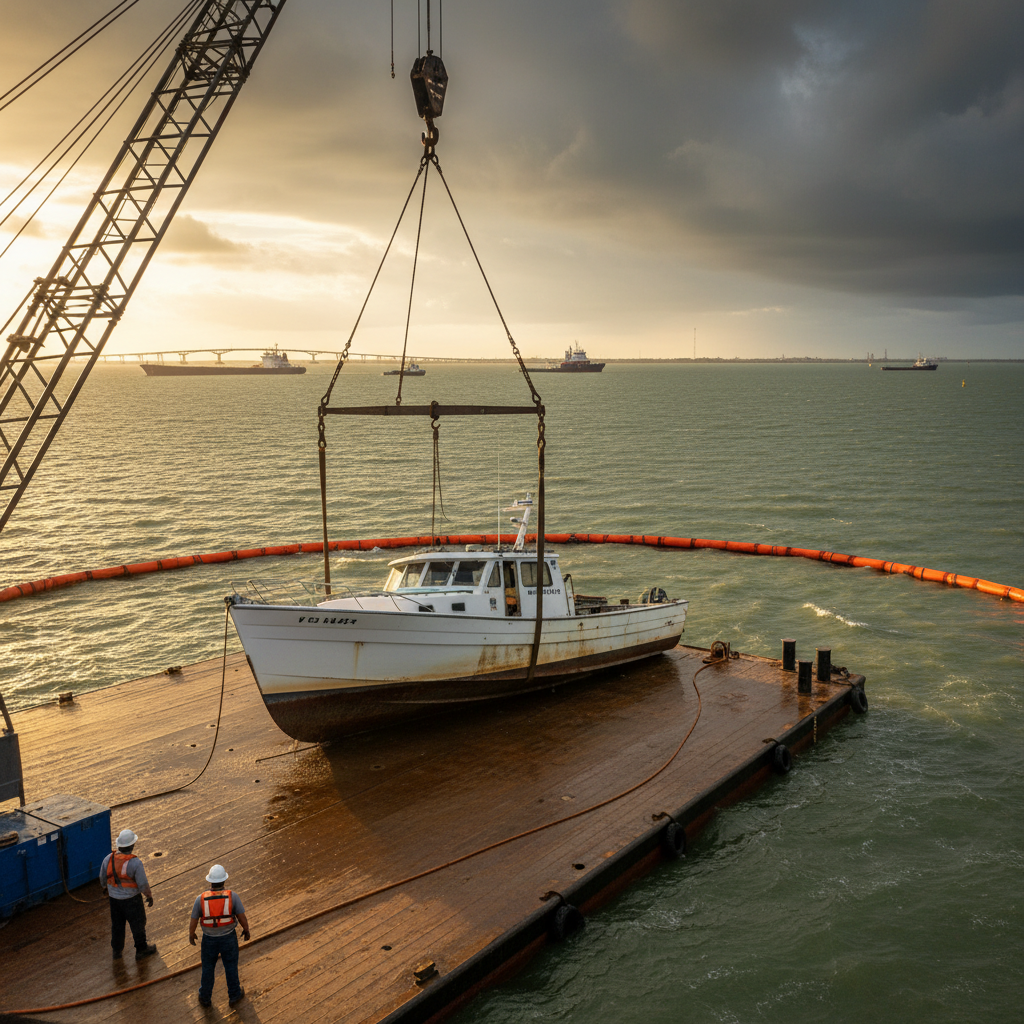
A frequent issue for Santa Fe boaters is assuming wreckage removal is unlimited or automatically included at a high amount. Many policies cap wreckage removal at a specific limit or tie it to the hull coverage amount, which may be too low if salvage requires divers, cranes, or multiple trips. Another gap is misunderstanding what triggers coverage—some contracts require a covered physical damage loss, while others may respond when removal is legally required. Trailer-related incidents can also create confusion: damage during transport, at a ramp, or while launching may have different requirements depending on endorsements. Finally, storm planning matters—if you’re in a named storm area, deductibles, lay-up periods, and storage requirements can affect whether and how much the policy pays.
Getting Started with The O'Donohoe Agency
The O'Donohoe Agency helps Santa Fe boat owners compare wreckage removal options as part of a complete boat insurance plan, with service based in Galveston and familiarity with how coastal losses play out. We’ll ask practical questions—where you launch most often (Galveston, Clear Lake, or nearby ramps), whether you keep the boat on a trailer or in the water, and how far you typically run—then match those habits to appropriate limits and deductibles. We can also review your current policy language so you know whether wreckage removal is included, what triggers it, and how the limit is calculated. The goal is coverage that responds quickly after an accident or storm, without surprises.
Get a Santa Fe Wreckage Removal Quote
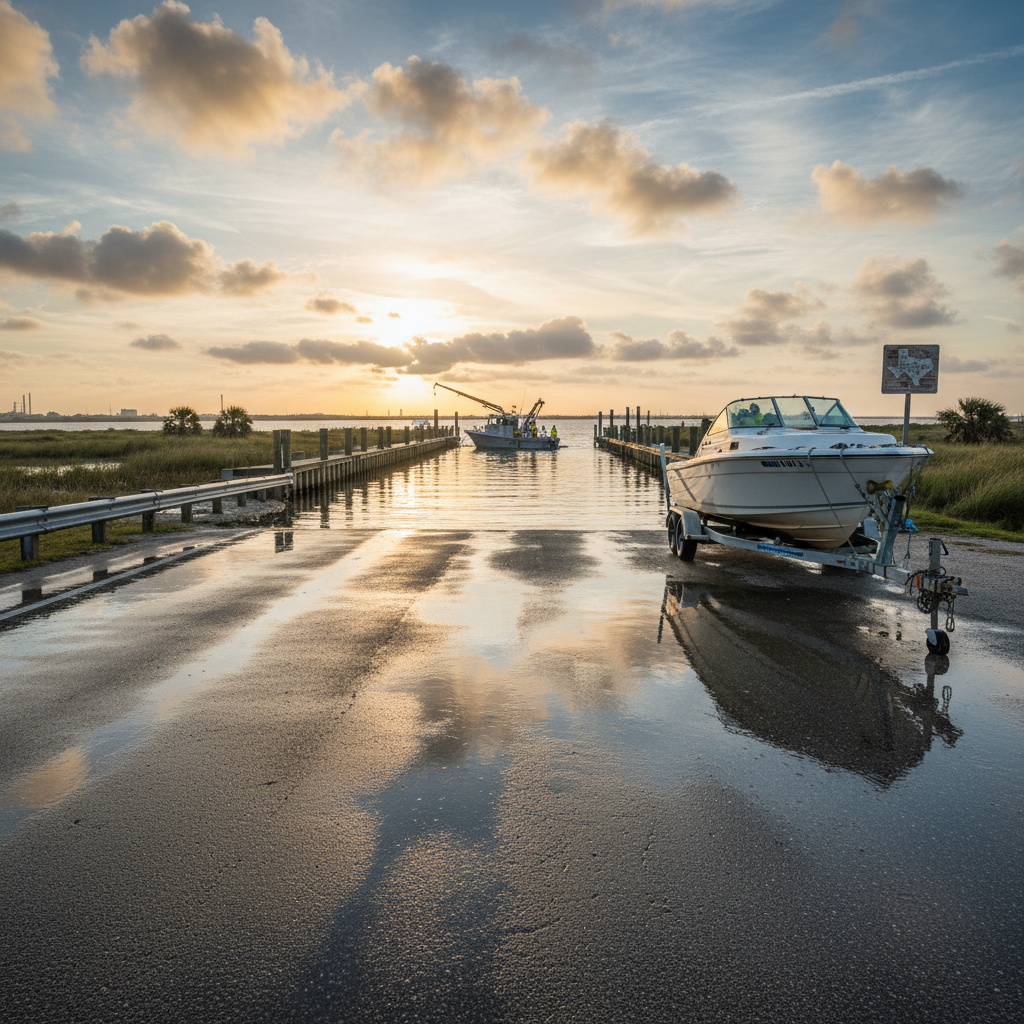
If you boat from Santa Fe to Galveston Bay or Clear Lake, make sure wreckage removal limits match real-world salvage costs. Request a quote and policy review with The O'Donohoe Agency.
Get My QuoteFrequently Asked Questions
It can be. If your boat sinks, grounds, or becomes a hazard near a ramp, marina, channel, or private property, you may be required to remove it promptly. Wreckage removal coverage helps pay those recovery and disposal costs when the policy conditions are met.
It’s usually priced within your overall boat insurance premium, and the impact depends on the boat’s size, value, operating area, and the wreckage removal limit. Larger boats and coastal use near Galveston Bay generally increase potential salvage exposure, which can affect pricing.
Sometimes, but not always. Wreckage removal focuses on recovery/removal after a serious loss (like sinking or grounding). Routine towing is often handled under separate on-water towing assistance or endorsements. We recommend confirming which towing scenarios are included and what limits apply.
Take photos and video, record the exact location and time, collect witness/contact information if available, and keep copies of any written removal demands from a marina or property owner. Save all salvage, towing, and storage invoices and notify your carrier quickly to confirm vendor and approval requirements.
Yes. Named storm deductibles, required storage precautions, and policy conditions can change how a claim is handled. Because Santa Fe boaters often use coastal waters, it’s important to review storm-related provisions and make sure wreckage removal limits are realistic for post-storm salvage demand.
Related Coverage
Explore other coverage options
Get a Free Quote
Fill out the form below and we'll connect you with the right coverage options.
Coverage Options Near Santa Fe
Explore the same coverage type in nearby areas.