

The Hidden Hazards Beneath Galveston Bay’s Surface
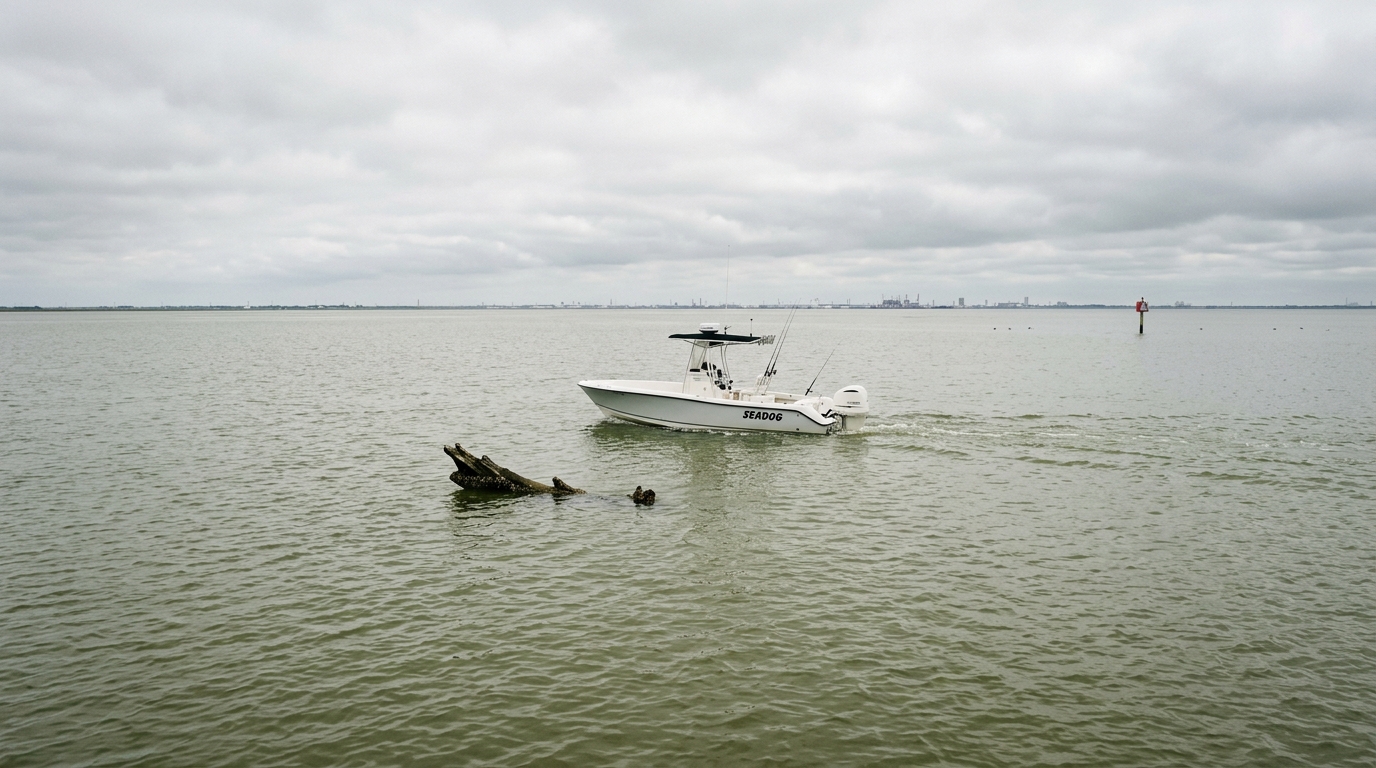
Galveston Bay is a boater's paradise, a sprawling estuary that offers incredible fishing, sailing, and cruising. But beneath its murky, brackish water lies a minefield of hazards that every local captain knows all too well. After a heavy rain, the bay becomes a churning soup of debris washed down from the Trinity River and the Houston Ship Channel. We're not just talking about small branches. We're talking about massive, waterlogged telephone poles, railroad ties, dislodged dock pilings, and even lost shipping containers that lurk just below the surface, invisible until it's too late. A sudden, jarring impact with one of these submerged objects can ruin a perfect day on the water, turning a peaceful cruise into a frantic emergency. The immediate shock to your hull, lower unit, or running gear is followed by a more confusing question: is this damage covered under my boat insurance, and if so, is it a collision or comprehensive claim?
Why This Distinction Matters More Than You Think
The difference between a collision and comprehensive claim isn't just semantic; it can have a major impact on your out-of-pocket costs, your future premiums, and even your ability to get coverage. In the insurance world, a collision claim typically involves your boat striking another vessel or a fixed, visible object like a dock or a buoy. A comprehensive claim, on the other hand, covers losses from events that are largely out of your control—think fire, theft, vandalism, or striking a submerged, floating, or hidden object. This is a critical distinction in Galveston, where the turbid waters make it impossible to see hazards until impact. Because you couldn't reasonably avoid it, hitting a sunken log or a deadhead is generally classified as a comprehensive claim. This is often better for you, as comprehensive claims are usually 'non-fault' and may have a lower deductible and less impact on your claims history than an at-fault collision.
Collision Coverage: When You Hit What You Can See
Collision coverage on a boat policy is designed to cover physical damage to your vessel resulting from an impact with another boat or a stationary, visible object. Think of a scenario at the Galveston Yacht Basin: you're maneuvering into a slip, misjudge the wind, and bump hard into a concrete piling or another docked vessel. That's a classic collision claim. The key element here is that the object you hit was, or should have been, visible and avoidable. In these situations, you might be found at fault, which can lead to a higher deductible and potentially a rate increase. It's crucial for boaters in busy areas like Offatts Bayou or the Kemah Boardwalk to carry sufficient collision coverage, because tight quarters and heavy weekend traffic increase the risk of an accident. Without it, you would be paying out of pocket for all repairs to your hull, which can easily run into the tens of thousands of dollars.
Comprehensive Coverage: Protection from the Unseen and Unavoidable
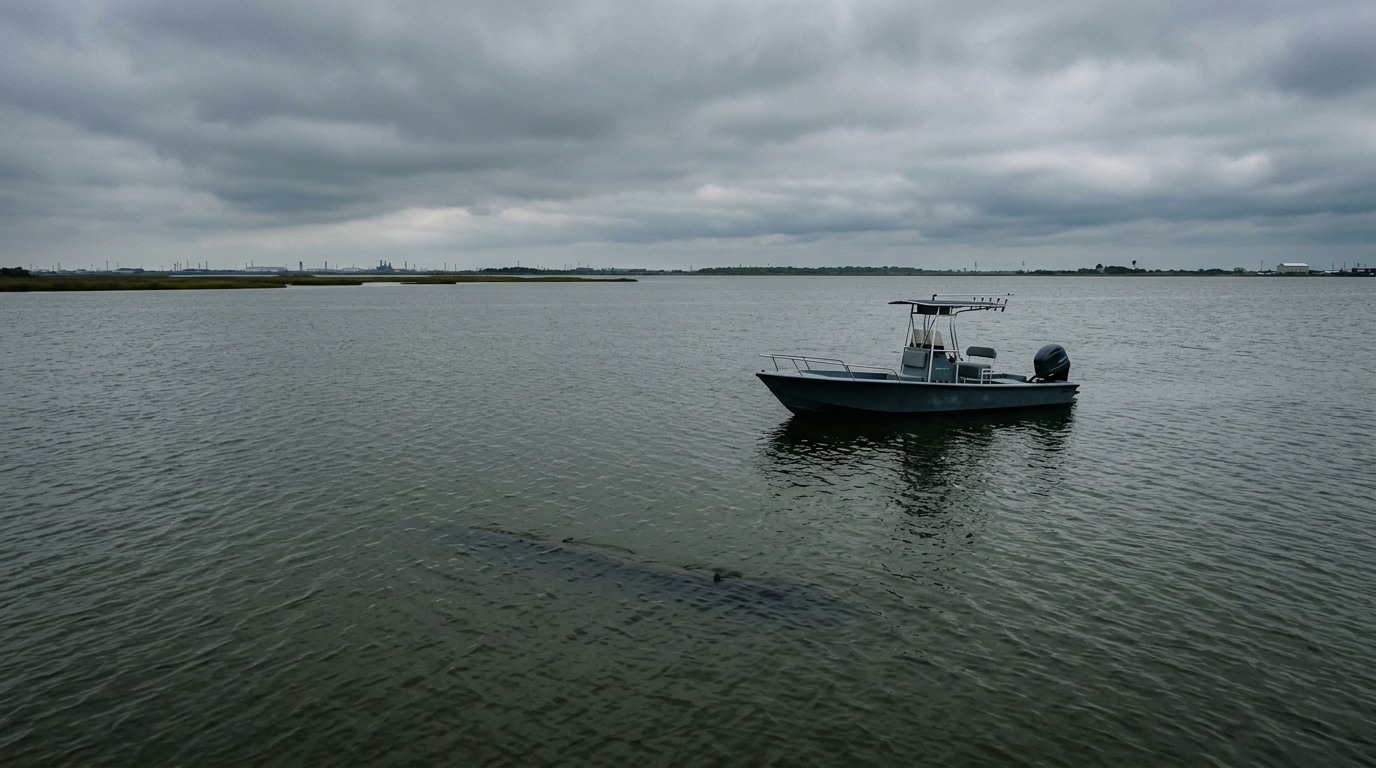
This is the coverage that is most likely to respond when you hit a submerged object. Comprehensive, sometimes called 'other than collision' coverage, is designed for losses that are sudden, accidental, and not the result of a crash with another boat. The classic example in Galveston Bay is striking a submerged, floating, or semi-submerged object. Because you cannot see it, you cannot be expected to avoid it, removing the 'fault' element. This coverage is vital for the Texas Gulf Coast, where hurricanes and floods constantly rearrange the underwater landscape. A submerged log that was never there before can take out your outdrive in an instant. Comprehensive coverage also protects you from a host of other local perils, including theft of your electronics while docked in Clear Lake, damage from a hailstorm in Dickinson, or a fire at a storage facility in Texas City. The deductible for comprehensive claims is often lower, making it a more financially palatable way to get your boat repaired.
The Critical Claims Process: What to Do After You Hit Something
The moment you feel that sickening thud, your actions can make or break your insurance claim. First and foremost, ensure the safety of everyone on board. Check for water ingress immediately. If the boat is taking on water, get to shore or deploy your life jackets and call for help from the Coast Guard or a local tow service like TowBoatUS Galveston. Once you are safe, document everything. Take photos of the general area and any floating debris you can see. Do not attempt to move a large submerged object. Next, contact your insurance company or your local agent, like The O'Donohoe Agency, as soon as possible to report the incident. Be precise in your description: you 'struck a submerged, unmarked object.' Avoid speculating about what it was or admitting fault. The insurer will want to know the exact location—a GPS coordinate is gold—the time, and the nature of the impact. Prompt reporting starts the process and gets a marine surveyor on the job quickly.
The Role of the Marine Surveyor: Proving Your Claim
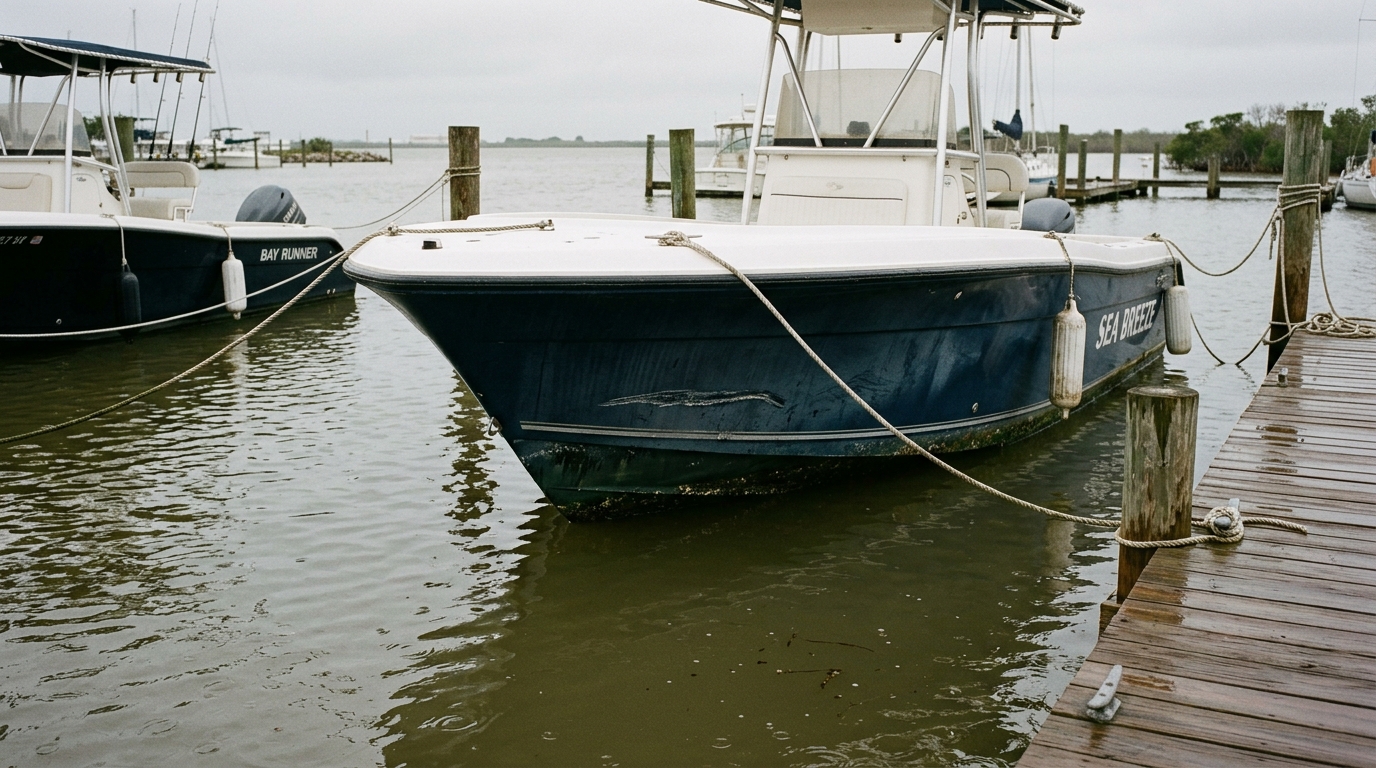
After you file a claim, the insurance company will almost certainly dispatch an independent marine surveyor. This person is the eyes and ears of the insurer, and their report is the single most important document in determining the outcome of your claim. The surveyor’s job is not to be your friend or your adversary, but to be an impartial expert. They will inspect the damage and try to reconstruct the event. They are looking for signs that confirm your story: a long, scraping gouge along the hull suggests a submerged log, while a sharp, circular impact could be a piling. They will check for pre-existing damage, rot, or corrosion that might not be covered. For a Galveston boater, it’s important to know that a surveyor familiar with local conditions will understand the high probability of hitting storm debris. You have the right to be present during the survey, and it’s wise to be there to point out the damage, but let the surveyor do their job without interference. Their final report will recommend a cause of loss and an estimated cost of repair, which is the basis for your settlement.
The Danger of Coverage Gaps: Why You Need Both
One of the biggest mistakes a boat owner can make is trying to save money by carrying only one type of hull coverage, or worse, none at all. Imagine a scenario on the Gulf side of Galveston Island: you're running offshore and hit a partially submerged cargo container. It's a comprehensive claim. A month later, after repairs are done, you're docking at a restaurant in Kemah and accidentally scrape a piling. That's a collision claim. If you only had comprehensive coverage, you'd be fully covered for the container incident but completely on your own for the piling scrape. The cost to repair a deep fiberglass gouge can easily reach $5,000 or more. An insurance policy is designed to protect you from a variety of perils, and a gap in your coverage is a direct financial risk. A well-structured policy with both collision and comprehensive coverage, along with a reasonable deductible, ensures that whether the hazard is seen or unseen, you are protected from a catastrophic out-of-pocket expense.
Local Knowledge: Navigating Galveston Bay’s Most Treacherous Spots
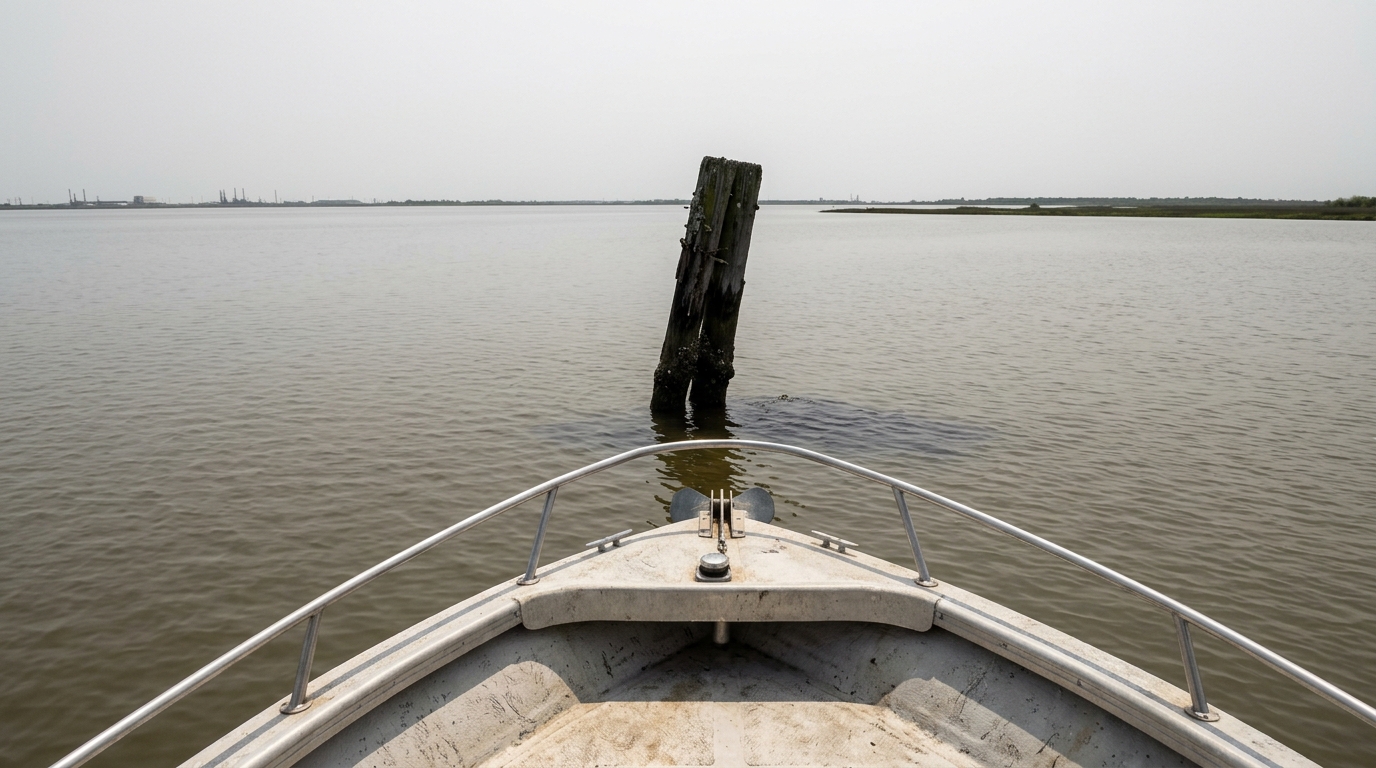
As a boater based in Galveston, developing local knowledge is as important as having good insurance. Certain areas of the bay system are notorious for submerged debris, especially after a storm or heavy inland rainfall. The waters near the mouth of the Trinity River are always a high-risk zone, as the river delivers a constant supply of deadheads and logs. The Houston Ship Channel is another area where industrial debris can be an issue. Even popular anchorages like Redfish Island can hide old, broken concrete from long-forgotten structures. In the winter, strong northers can push floating debris into unexpected areas, while spring runoff swells the bay with new hazards. A good rule of thumb is to slow down in murky water, especially after a rainstorm. Keep a sharp lookout and use your chartplotter to stay in known, deeper channels where large objects are less likely to be lurking. Your knowledge of these local conditions, combined with a solid insurance policy, is the best defense against the bay’s hidden dangers.
Key Takeaways for Galveston Boaters
- Hitting a submerged, unmarked object is almost always a comprehensive claim, not a collision claim.
- Always have both collision and comprehensive coverage to avoid a financial gap from different types of accidents.
- After an impact, prioritize safety, document the scene, and report the claim immediately with a precise location.
- The independent marine surveyor is a key figure; their report will determine the cause of loss and your settlement.
- Local knowledge of Galveston Bay's high-risk areas, like the Trinity River mouth, is crucial for prevention.

Securing Your Peace of Mind on the Water
The question of whether hitting a submerged object is a collision or comprehensive claim has a clear answer for most Galveston Bay scenarios, but the real lesson is about preparation. The waters around Galveston, Texas City, and Clear Lake offer an unparalleled boating lifestyle, but they demand respect. Having the right insurance isn't just about satisfying a marina requirement; it's about protecting your investment and your passion. Before you untie the lines this weekend, take a moment to review your policy. Do you understand your deductibles for both collision and comprehensive claims? Are you certain you have both coverages in place? If you’re unsure, a conversation with a local agent who knows these waters can make all the difference. At The O'Donohoe Agency, we help boaters across Galveston County navigate these exact questions, ensuring that when the unexpected happens, you're back on the water with as little hassle as possible. Don't let a hidden log sink your season—get the right coverage and boat with confidence.
