

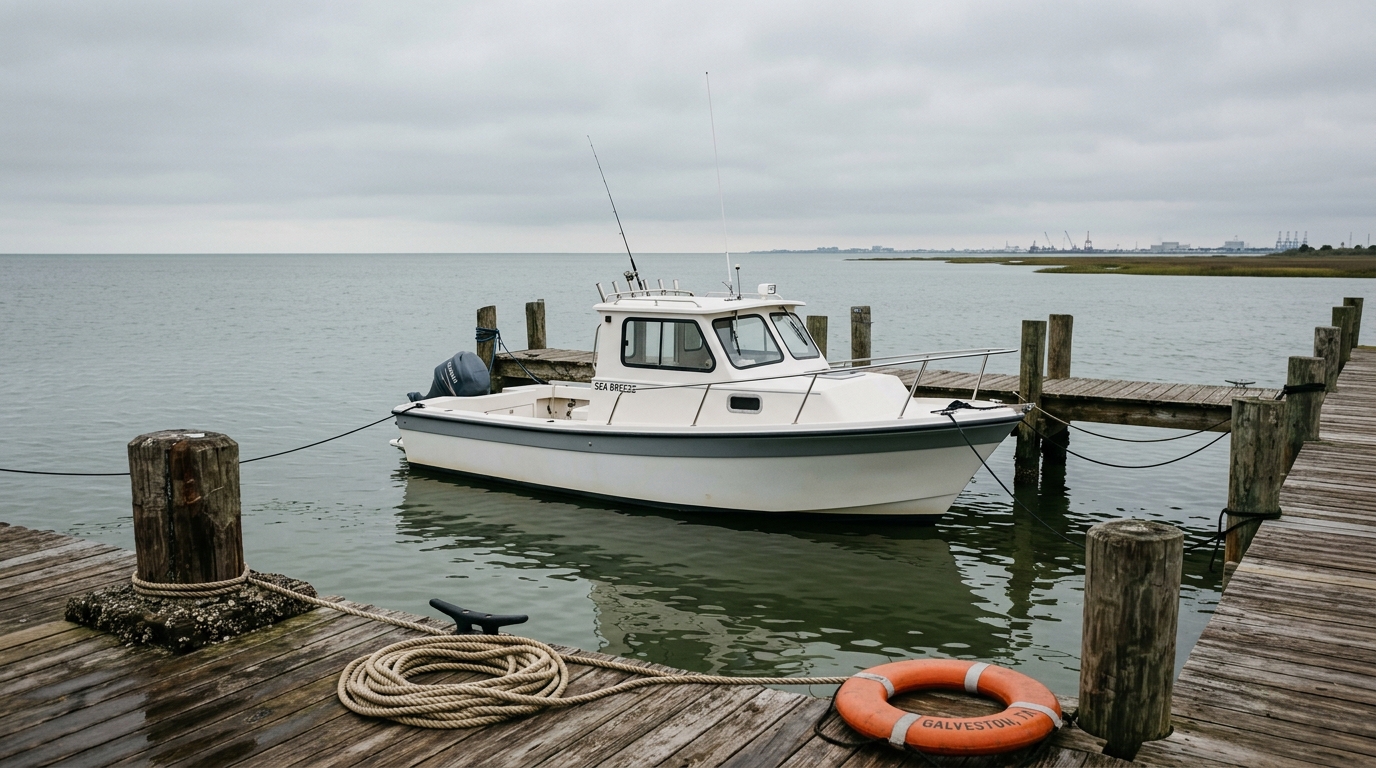
Why Hull Valuation Matters for Galveston Boaters
If you own a boat in Galveston, you know the water can be unpredictable. From sudden squalls in the Gulf to the busy channels of Galveston Bay, the risk of a serious accident is real. When the worst happens and your boat is declared a total loss, the settlement you receive from your insurance company hinges on one critical factor: how your policy values your hull. Most policies use one of two methods—Agreed Value or Actual Cash Value (ACV). Choosing the wrong one could leave you thousands of dollars short when it's time to replace your vessel. This guide will walk you through the key differences, using a realistic Galveston scenario to illustrate the financial impact, so you can make an informed decision for your own boat.
Understanding Hull Coverage: The Backbone of Your Boat Policy
Hull coverage is the part of your boat insurance that pays for physical damage to your boat itself—the hull, deck, motor, and permanently attached equipment. It's similar to collision and comprehensive coverage on a car. In Galveston, where boaters face risks like collisions with submerged objects in the bay, storm damage during hurricane season, or theft from marinas, having solid hull coverage is essential. But not all hull coverage is created equal. The valuation method dictates how much you'll be paid in the event of a total loss. Agreed Value and Actual Cash Value represent two fundamentally different approaches, and the choice affects both your premium and your potential settlement. Understanding these concepts is the first step toward protecting your investment.
Agreed Value: Locking in Your Boat's Worth
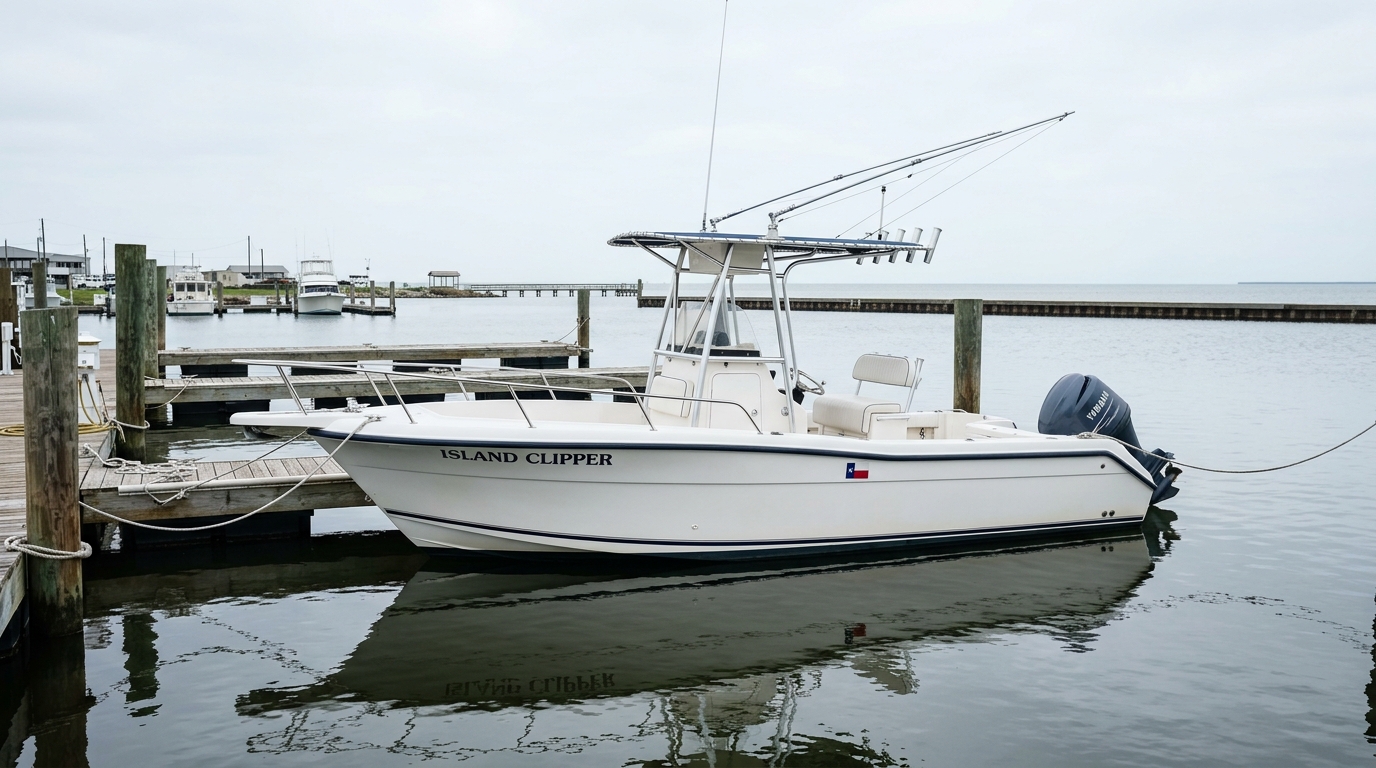
An Agreed Value policy is exactly what it sounds like: you and the insurance company agree on the boat's value when you take out the policy, and that's the amount you'll receive if it's a total loss—no depreciation, no haggling. This method is particularly popular for newer boats or vessels that hold their value well. For a Galveston boater, an Agreed Value policy provides peace of mind. Imagine you own a 5-year-old center console that you purchased for $60,000. Under an Agreed Value policy with that amount listed, if your boat is destroyed by a storm surge in Galveston Bay, you'll get a check for $60,000, minus your deductible. You can use that full amount to buy a comparable replacement without digging into your savings. Premiums for Agreed Value policies are typically higher because the insurer is taking on more risk, but the financial certainty is often worth the extra cost.
Actual Cash Value: The Depreciation Factor
Actual Cash Value (ACV) coverage takes a different approach. Instead of a pre-agreed amount, the insurer pays you the boat's current market value at the time of the loss, which means they subtract depreciation for age, wear and tear, and overall condition. This is similar to how auto insurance handles total losses. For older boats, ACV can make sense because the premium is lower, reflecting the reduced risk to the insurer. However, the payout can be significantly less than what you might expect. In the Galveston area, where saltwater corrosion and heavy use can accelerate depreciation, an ACV settlement might not be enough to purchase a similar replacement. Many boaters are surprised to learn that their 5-year-old boat might be valued at 30-40% less than what they paid, leaving them to cover the gap out of pocket.
Real-World Scenario: Total Loss of a 5-Year-Old Center Console in Galveston
Let’s put this into perspective with a common Galveston scenario. You own a 5-year-old, 24-foot center console boat that you bought new for $60,000. You keep it at a marina in Clear Lake and frequently fish the jetties and offshore out of Galveston. One afternoon, a sudden thunderstorm kicks up, and your boat is slammed against the dock, sustaining catastrophic hull damage. The repair estimate exceeds the boat's value, so the insurer declares it a total loss. Under an Agreed Value policy with a $60,000 limit, you would receive a check for $60,000, less your deductible. You could then shop for a similar used boat or put the money toward a new one. Under an ACV policy, the adjuster determines your boat's depreciated value is only $36,000 based on age, engine hours, and general condition. After your deductible, you might receive $35,000—a $25,000 difference. That’s a huge financial gap that could derail your boating plans.
Newer vs. Older Boats: Which Valuation Works Best?
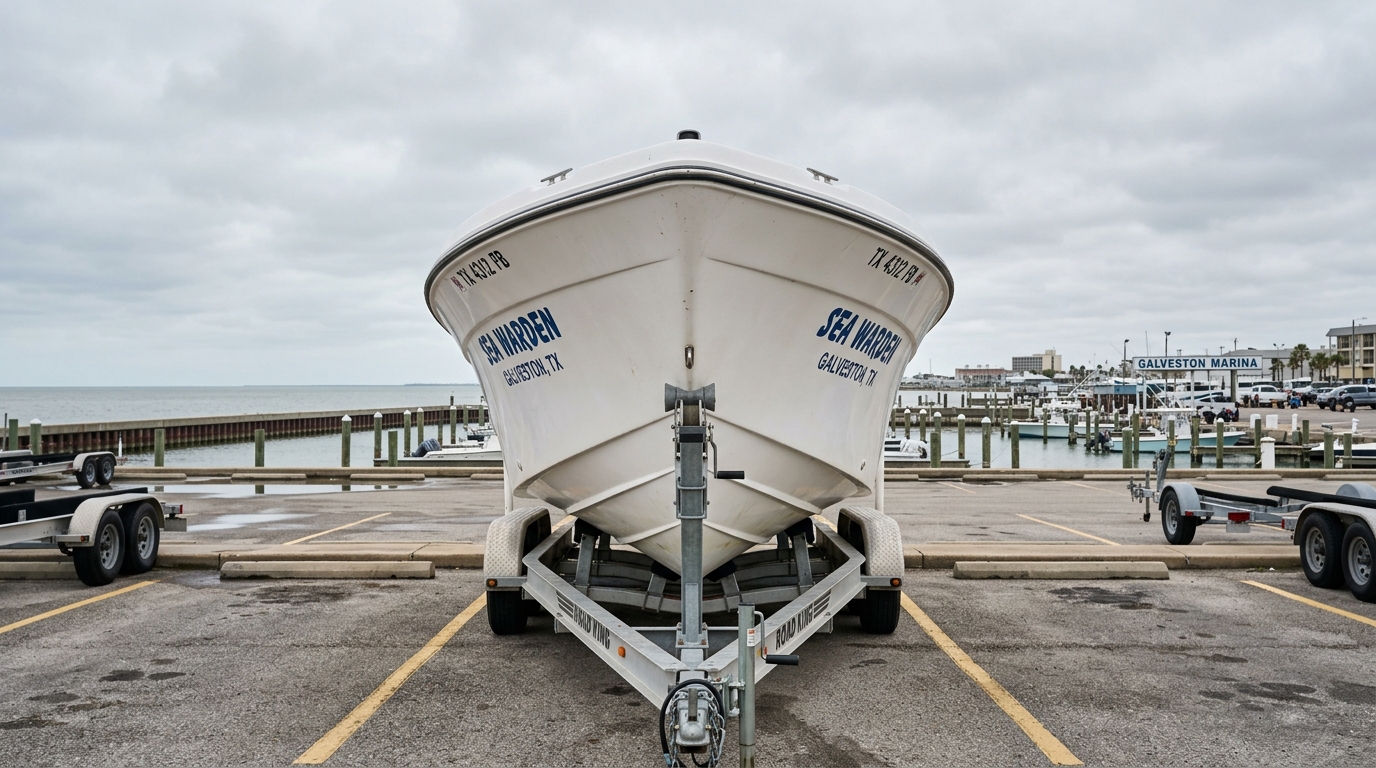
The right choice often depends on your boat's age and your financial situation. For newer boats—typically those less than 5-7 years old—Agreed Value is almost always recommended. The premium is higher, but the protection against depreciation is invaluable. Boats depreciate quickly in the first few years, and an ACV policy would leave you with a large shortfall. For older boats, especially those over 10-15 years old, ACV might be more practical. The premium savings can be substantial, and the difference between the Agreed Value and ACV payout narrows as the boat ages. However, if you've invested heavily in upgrades or your boat is in exceptional condition, an Agreed Value policy could still be worth it. In the Galveston market, where saltwater use can accelerate wear, it's wise to have a marine surveyor assess your boat's true condition before deciding.
How Valuation Affects Your Premium in Galveston
It's no secret that Agreed Value policies cost more. Insurers charge higher premiums because they're guaranteeing a payout amount regardless of depreciation. In Galveston, where hurricane exposure and high traffic increase risk, the premium difference can be notable—sometimes 20-40% more than an ACV policy. However, many boaters find the extra cost worthwhile for the financial security. Some insurers in the Galveston area offer Agreed Value only on boats under a certain age or those that have passed a recent marine survey. ACV policies are more widely available and can be a good fit for budget-conscious boaters with older vessels. When shopping for coverage, always compare quotes with the same valuation method to get an apples-to-apples comparison. The O'Donohoe Agency can help you navigate these options and find the best value for your specific boat and boating habits.
Local Considerations for Galveston Boaters
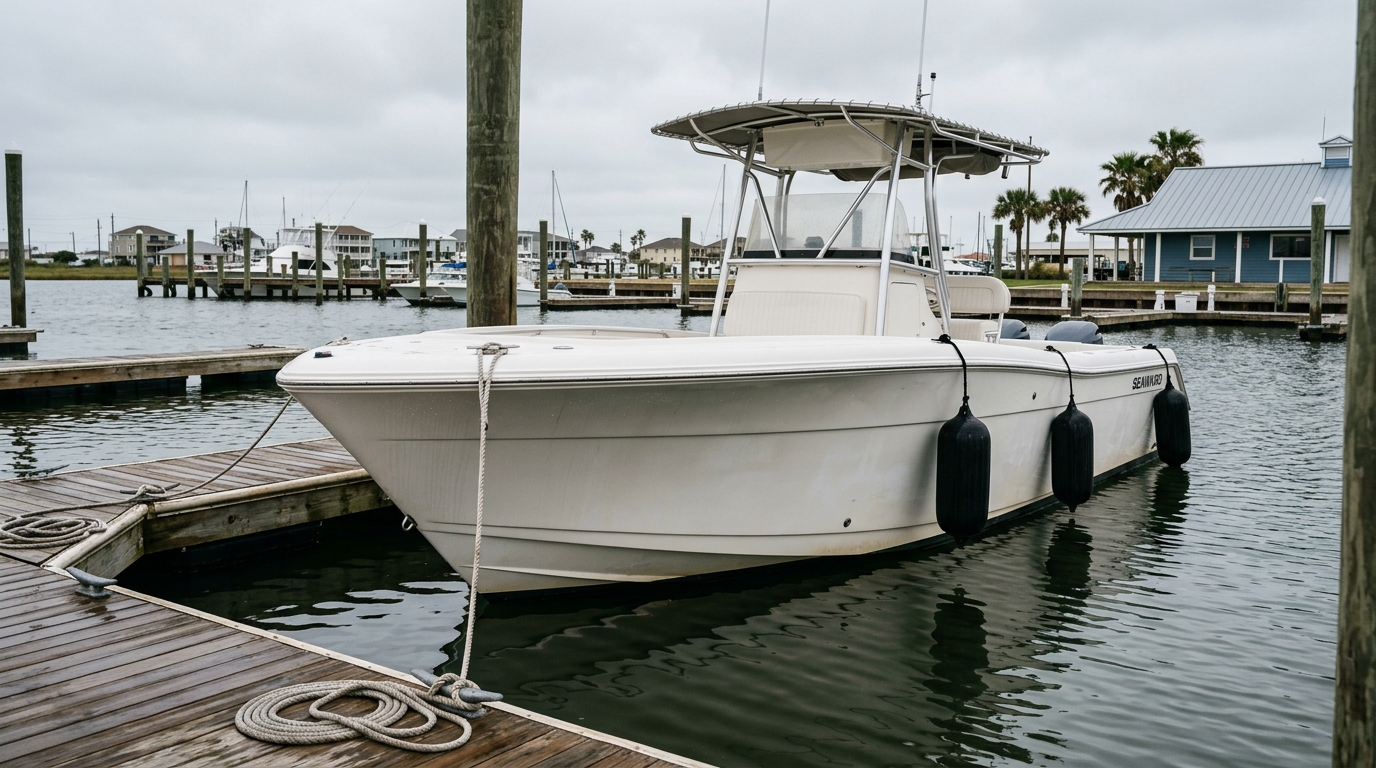
Boating in Galveston comes with unique risks that make hull coverage especially important. The Gulf Coast is prone to tropical storms and hurricanes, which can cause widespread damage. Even outside of named storms, Galveston Bay's shallow waters and busy shipping lanes increase the chance of collisions with submerged objects or other vessels. Additionally, saltwater corrosion can accelerate a boat's depreciation, potentially widening the gap between Agreed Value and ACV payouts. For boaters in nearby areas like Texas City, League City, or Dickinson who trailer to Galveston ramps, the risk of trailering accidents also factors in. Understanding these local hazards can help you appreciate why the right valuation method is not just a financial decision but a practical one.
Key Takeaways: Choosing the Right Hull Valuation
Key Takeaways
- Agreed Value guarantees a pre-set payout, ideal for newer boats and those wanting financial certainty.
- Actual Cash Value factors in depreciation, offering lower premiums but potentially much smaller settlements.
- In a total loss, the difference can be tens of thousands of dollars—know your policy before you need it.
- For older boats, ACV may be cost-effective, but consider the boat's condition and your ability to cover a shortfall.
- Always review your policy with a knowledgeable agent who understands Galveston's boating environment.

Next Steps: Secure the Right Protection for Your Boat
Choosing between Agreed Value and Actual Cash Value isn't just a line item on your policy—it's a decision that could define your financial recovery after a loss. The O'Donohoe Agency, based right here in Galveston, specializes in boat insurance for the local boating community. We understand the waters you navigate, from the Galveston jetties to Clear Lake and beyond. Our team can review your current policy or help you build a new one that matches your boat's value and your budget. Don't wait until after a storm or accident to find out you're underinsured. Contact us today for a personalized review and quote, and let's make sure your boat is protected with the right hull valuation.
