

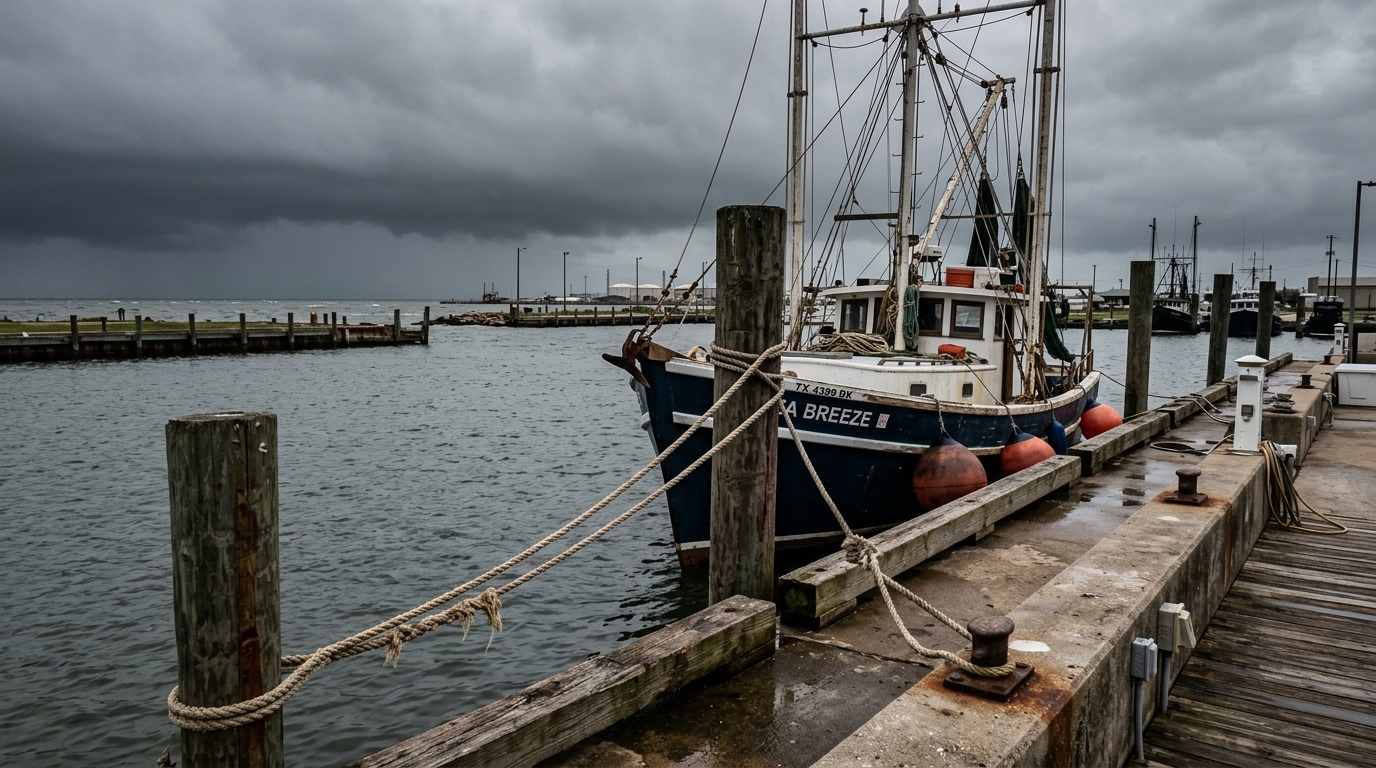
Why Galveston Boaters Need to Understand Their Coverage Now
As a Galveston boater, you know that hurricane season isn't just a weather forecast—it's a reality that can put your vessel at serious risk. Whether you keep your boat at a marina in Offatts Bayou, on a lift in a canal in Tiki Island, or dry-stacked in Texas City, the threat of a named storm is always looming from June through November. Many boat owners assume their insurance will cover any storm damage, but that's not always the case. The key is understanding the difference between comprehensive and collision coverage, and how each applies to the unique risks we face here on the Upper Texas Coast. In this guide, we'll break down exactly what these coverages mean, how they respond to common hurricane scenarios like wind damage, flooding, and flying debris, and provide a practical checklist to document your boat's condition before a storm. By the end, you'll be equipped to make informed decisions and avoid costly surprises when it matters most.
The Basics: What Are Comprehensive and Collision Coverages?
Collision coverage pays for damage to your boat when it hits another boat or object, like a dock, piling, or submerged debris. It also covers damage if your boat is run into by another vessel, even while parked. Comprehensive coverage, sometimes called 'other than collision,' protects against losses from non-collision events such as theft, vandalism, fire, sinking, and—most importantly for Galveston boaters—windstorms, hail, and flooding. In a hurricane or tropical storm, comprehensive coverage is typically what responds to damage from high winds, storm surge, and flying debris. However, if your boat breaks free from its moorings and collides with a pier or another boat, collision coverage may apply. The line between the two can blur during a chaotic storm, which is why having both coverages in place is critical for full protection. Many boat owners in the Galveston area carry only liability, leaving them exposed to catastrophic loss when a storm blows through.
How Comprehensive Coverage Handles Hurricane Damage
When a hurricane like Ike or Harvey hits the Galveston area, comprehensive coverage is your primary shield. It generally covers damage caused by wind, including torn sails, shattered windows, and structural failure. It also covers flooding and storm surge, which can submerge a boat at its slip or lift it off its trailer and carry it inland. Flying debris—a common hazard during tropical storms—is also covered under comprehensive. For example, if a piece of roofing from a nearby dock flies into your hull, comprehensive would pay for the repairs. Even if your boat sinks at the dock due to heavy rain overwhelming the bilge pumps, comprehensive typically steps in. One important nuance: if a named storm is forecast, many insurance companies impose a moratorium on new coverage or changes, so you must have comprehensive in place well before a storm enters the Gulf. Don't wait until a hurricane watch is issued for Galveston Island to review your policy.
When Collision Coverage Comes into Play During a Storm
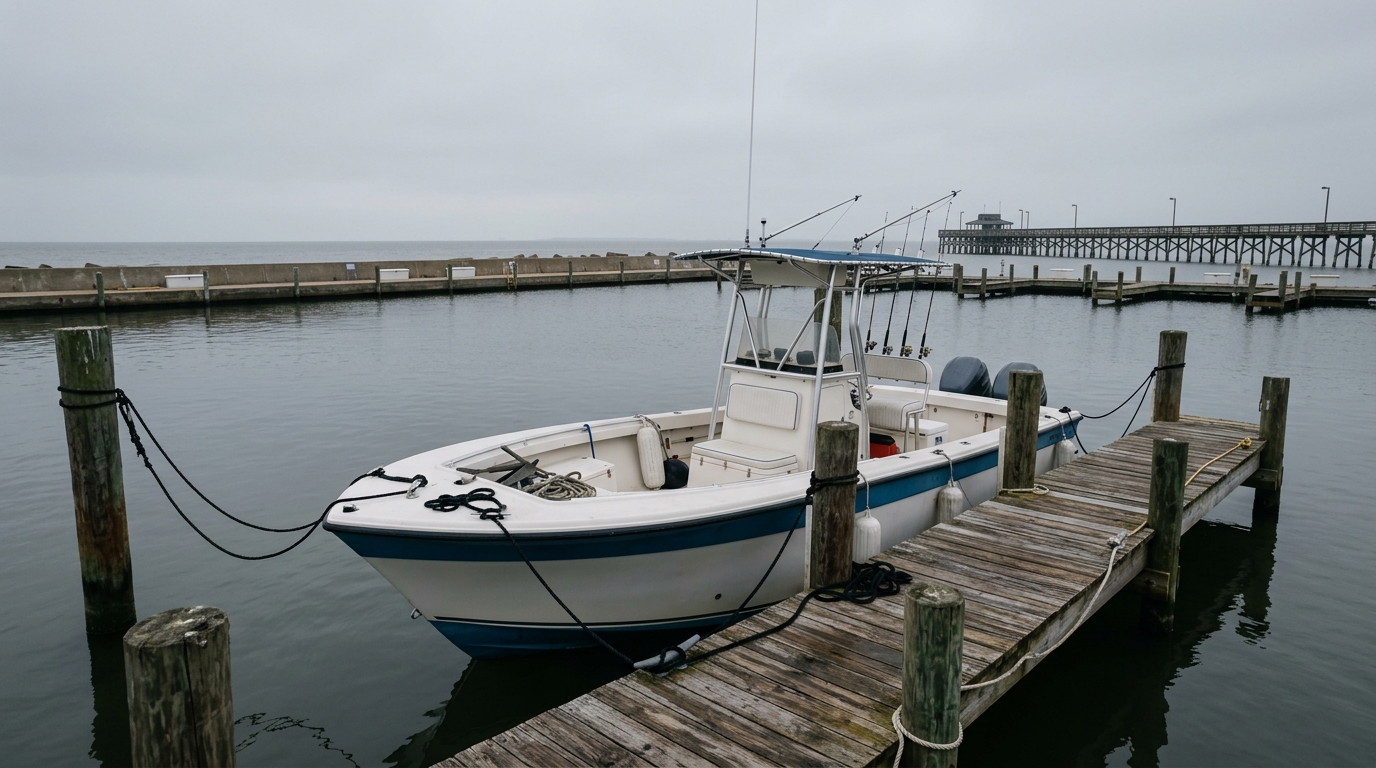
Collision coverage might seem straightforward, but during a tropical storm it can get complicated. If your boat is properly moored but a neighbor's boat breaks loose and crashes into yours, that's a collision claim against your own policy if the other boater is uninsured or underinsured. Similarly, if your boat breaks free from its moorings—despite your best efforts—and drifts into a dock, piling, or another vessel, collision coverage pays for the damage to your boat. This scenario is all too common in Galveston's crowded marinas and narrow canals when storm surge pushes boats above their pilings. It's important to note that if your boat is damaged by wind or waves while still secured, that's likely comprehensive, but the moment it becomes unmoored and strikes something, collision kicks in. Because the distinction can be fuzzy, carrying both coverages with adequate limits is the best way to ensure you're protected no matter how the storm unfolds.
Real-World Scenarios: What's Covered and What's Not
Let's look at some common scenarios Galveston boaters face. Scenario 1: A tropical storm brings 60-mph winds that tear your bimini top and canvas. This is a comprehensive claim. Scenario 2: Storm surge lifts your boat off its lift and deposits it on a neighbor's dock, crushing the hull. The damage to your boat from the collision with the dock is covered under collision, while the initial lifting by the surge might fall under comprehensive. Scenario 3: A loose dock line allows your boat to repeatedly bash against a piling, causing gelcoat damage. If the boat was otherwise properly secured, this could be considered a collision with a stationary object. Scenario 4: You haul your boat out to a storage yard in Dickinson, but a tornado spawned by the storm flips it over. Comprehensive would cover this. Understanding these nuances helps you set expectations and avoid disputes with your insurer. Always document the circumstances thoroughly after a loss.
Pre-Storm Documentation: Your Key to a Smooth Claim
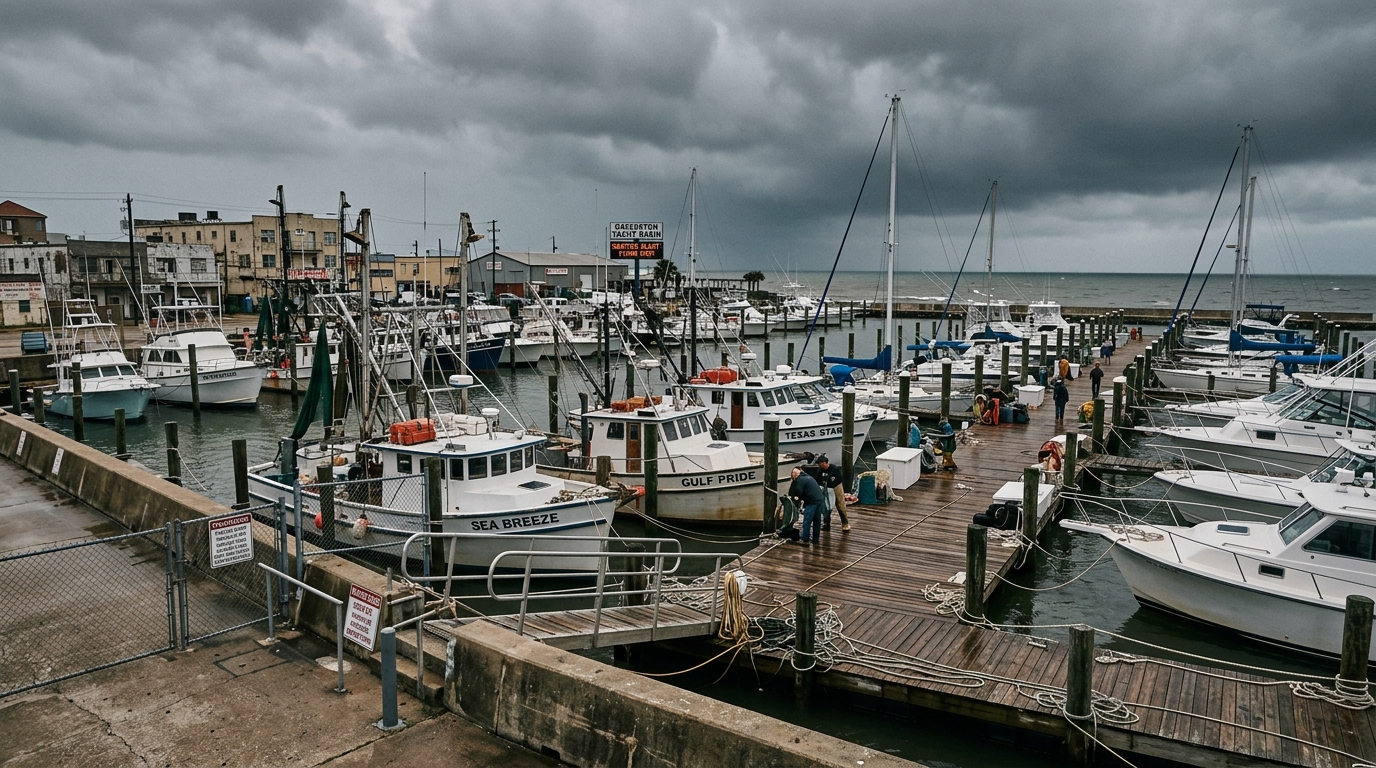
After a storm, you'll want your claim processed quickly so you can get back on the water. The best way to expedite that is to thoroughly document your boat's condition before a storm threatens. Start by taking date-stamped photos and videos of every part of your boat—hull, deck, rigging, engine, interior, electronics, and trailer. Open all compartments and record serial numbers of valuable equipment. Make a written inventory with model numbers and purchase dates. Store this documentation in the cloud or a secure off-site location. If you've made recent upgrades or repairs, keep receipts and take photos of the work. It's also wise to note your boat's exact location and mooring setup. This pre-storm record serves as undeniable proof of your boat's pre-loss condition, which can be invaluable if your insurer questions whether damage was pre-existing. At The O'Donohoe Agency, we advise all our Galveston clients to create a 'storm file' and update it annually.
Your Pre-Storm Documentation Checklist
- Take date-stamped photos and video of the entire vessel, inside and out, including close-ups of all equipment.
- Record serial numbers, makes, and models of engines, electronics, and trailers.
- Photograph recent upgrades, repairs, and any existing damage.
- Document your mooring or storage setup, including lines, fenders, and anchors.
- Save all records to a cloud service and share with your insurance agent.

Local Storm Risks Every Galveston Boater Should Know
Galveston's geography makes it uniquely vulnerable to storm damage. The island sits at the front line of any Gulf storm, and our bay system can funnel surge into places like Clear Lake and Dickinson Bayou. Boats moored in unprotected areas like the Galveston Ship Channel or open marinas face the full force of wind and waves. Even inland marinas in League City and Friendswood are not immune—during Harvey, many boats were damaged by freshwater flooding and debris. High winds can turn unsecured items into projectiles, and storm surge can quickly overcome fixed docks. If you boat in the West Bay near San Luis Pass, strong currents can drag anchors. Understanding these local risks helps you choose the right coverage limits and deductibles. At The O'Donohoe Agency, we know these waters intimately and can tailor a policy that fits your specific boating lifestyle, whether you fish the jetties, cruise to Moody Gardens, or dock behind your house in La Marque.
Next Steps: Securing Peace of Mind Before the Next Storm
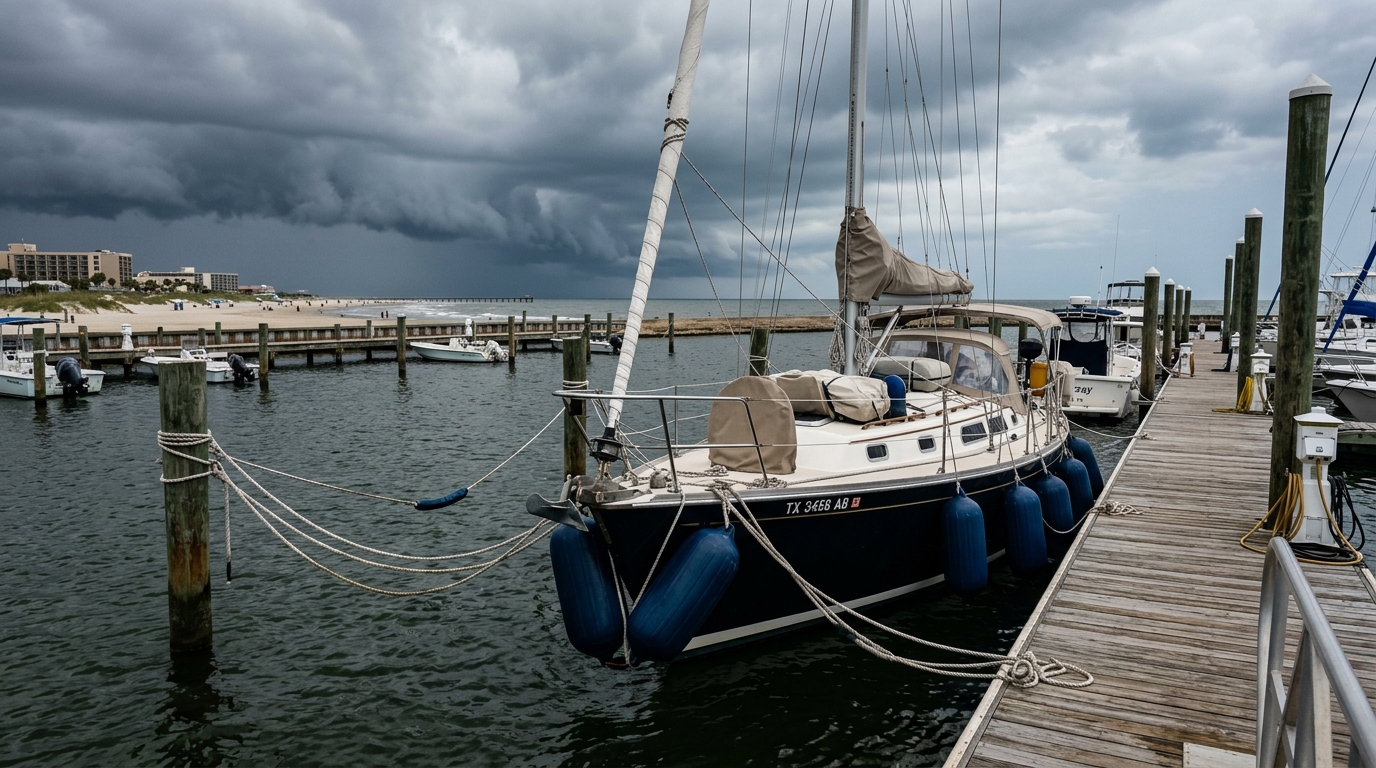
Don't leave your boat's fate to chance. Review your current policy today—do you have both comprehensive and collision coverage, and are your limits adequate for the value of your vessel? If you're unsure, our team at The O'Donohoe Agency is here to help. As a local, independent agency serving Galveston, Texas City, League City, and the entire Clear Lake area, we specialize in boat insurance that fits the way you use your boat. We can explain your coverage options in plain English, help you create a pre-storm documentation file, and ensure you're not caught off guard when the next tropical system spins up in the Gulf. Call us or visit our website to schedule a policy review. A little preparation now can save you from a financial storm later.
Contact The O'Donohoe Agency today at our Galveston office to discuss your boat insurance needs. Our experienced agents understand the local waters and can help you navigate the complexities of comprehensive and collision coverage. Whether you're docked in a marina, stored on a lift, or trailered at home, we'll find the right protection for your prized possession. Don't wait until a storm is on the horizon—reach out now and boat with confidence all season long.
