

The Nightmare Begins: Discovering Your Sunken Boat in Galveston
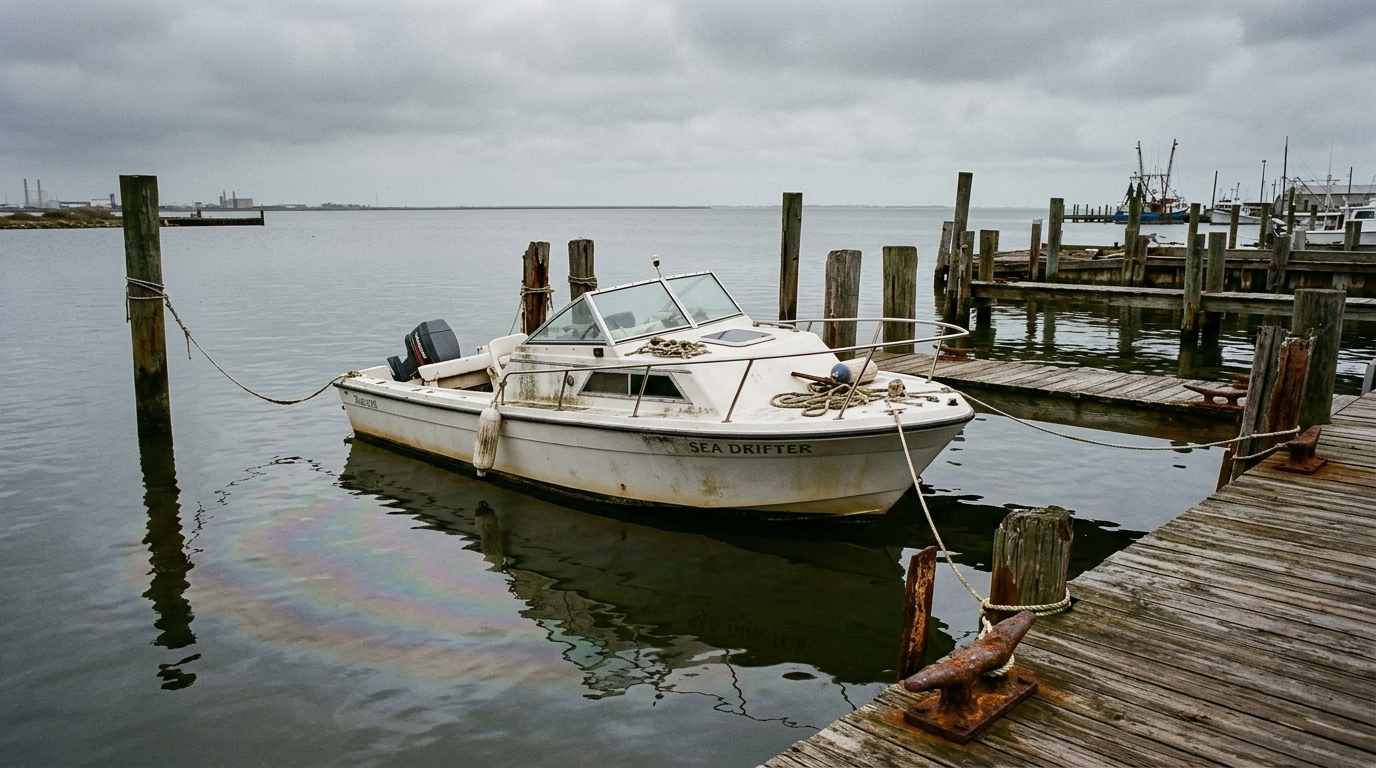
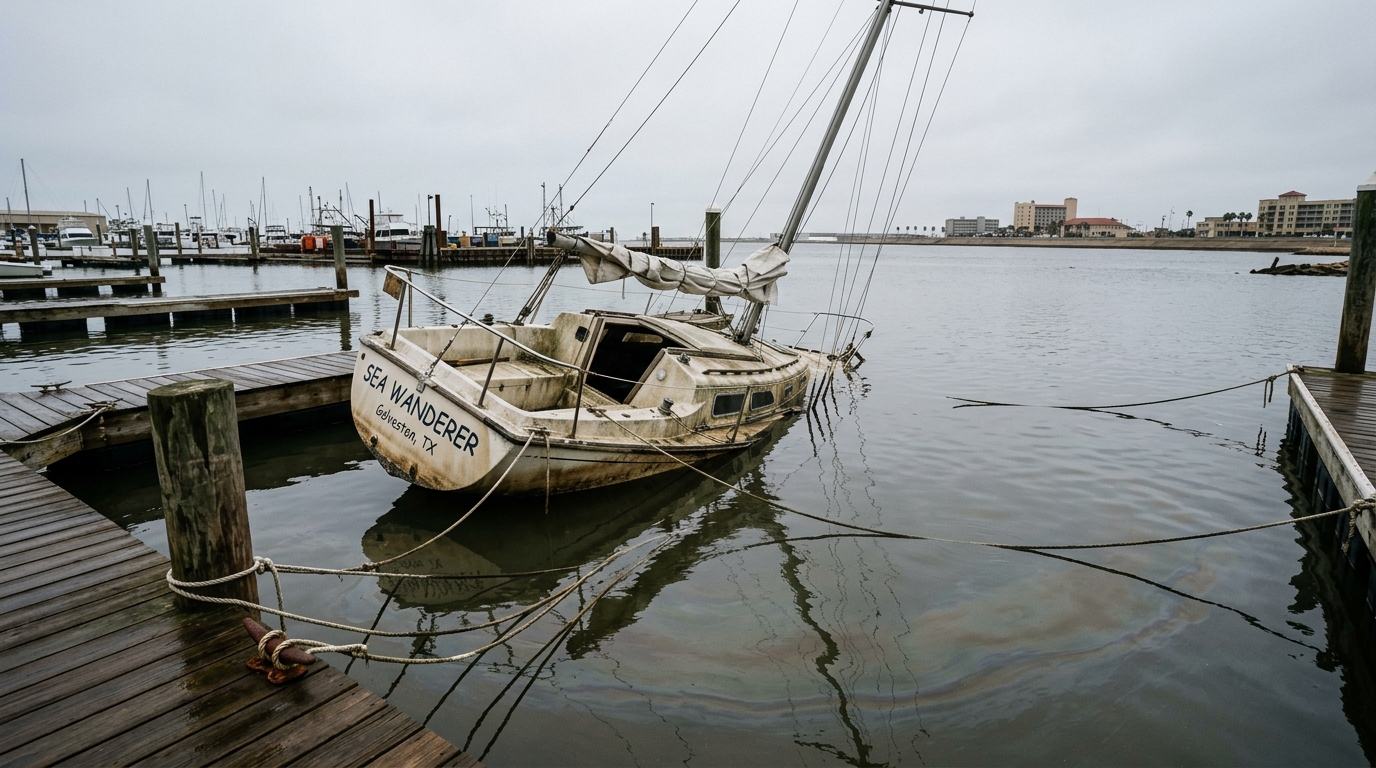
Imagine walking down the dock at a Galveston marina on a calm Saturday morning, coffee in hand, only to find your beloved boat sitting on the bottom, its deck just inches below the surface. A rainbow sheen of fuel spreads across the water, and the smell of diesel hits you. Your heart sinks. This isn't just a boat loss—it's an environmental incident. In Galveston, where marinas line the bay and canals, a sinking at the slip is every boater's quiet fear. The immediate shock gives way to a cascade of urgent questions: What do I do? Who do I call? And, most terrifyingly, how much will this cost?
The Legal Obligation: Reporting a Spill in Texas Waters
The moment you see that sheen, you're legally required to act. Under federal law, any discharge of oil or hazardous substances into navigable waters must be reported immediately to the National Response Center. In Texas, you also must notify the Texas General Land Office Oil Spill Prevention and Response Division. Failure to report can lead to fines of up to $25,000 per day. For a Galveston boater, this means a call from the marina office triggers a rapid response. The Coast Guard, Texas Parks and Wildlife, and private environmental contractors may all converge on your slip, and the clock is ticking on your financial liability.
The Environmental Response: Containing the Damage in Galveston Bay
Within hours, a containment boom is deployed around your boat to corral the spreading fuel. Vacuum trucks and absorbent pads are brought in to skim the surface. In a sensitive ecosystem like Galveston Bay, the response is aggressive. The marina may need to temporarily relocate nearby boats, and if fuel reaches sensitive marsh areas, the cleanup becomes exponentially more complex. Divers may be called to plug vents and remove remaining fuel from the sunken vessel. Every hour of response, every gallon of contaminated water pumped, adds to a bill that can easily reach tens of thousands of dollars—and that's before the boat is even raised.
The Cleanup Bill: Why Standard Boat Insurance Falls Short
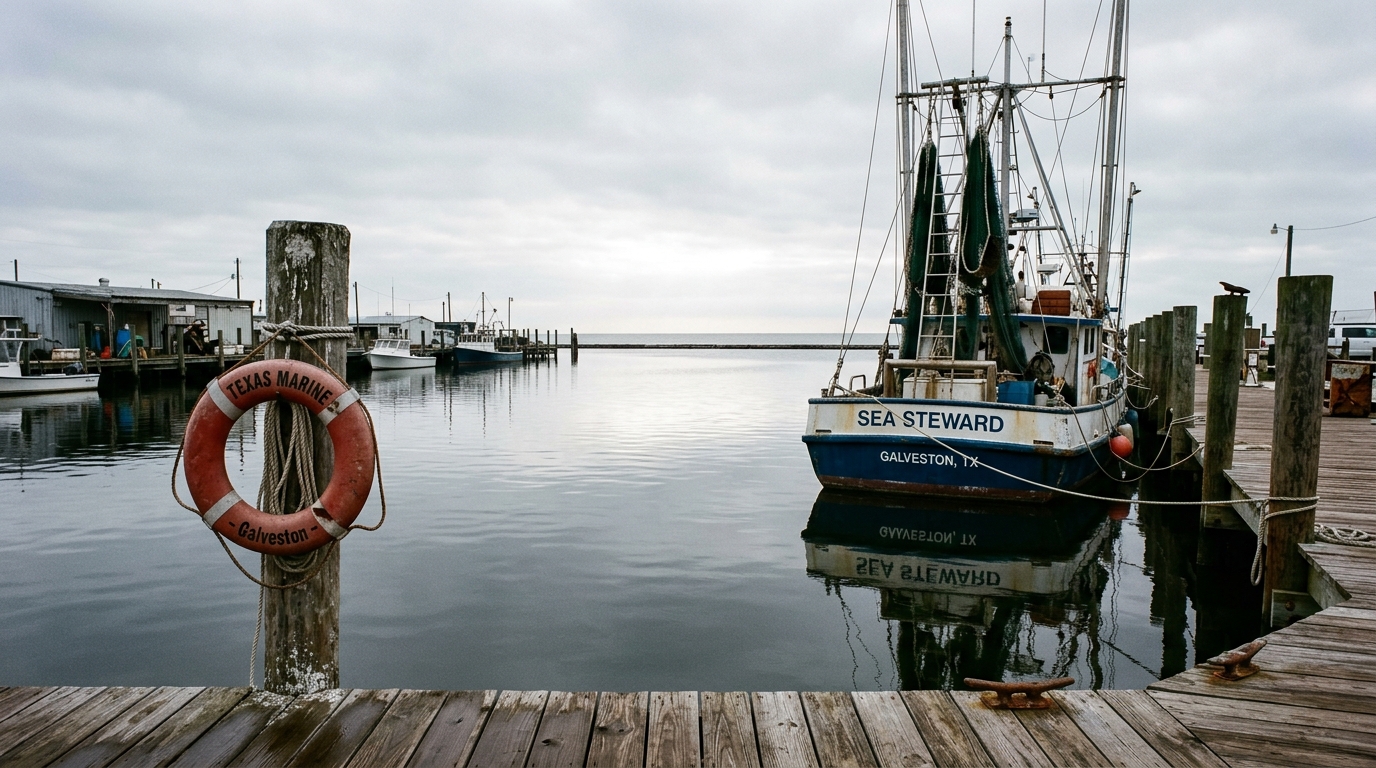
Here's the brutal truth: most standard boat insurance policies exclude pollution liability or cap it at a token amount, often $5,000 or less. The actual cost of cleaning up even a small fuel spill from a recreational boat can range from $15,000 to over $100,000. If the spill migrates off-site or impacts wildlife, the costs can skyrocket. In Galveston, where the bay is both an ecological treasure and a working waterfront, the scrutiny is intense. Without dedicated pollution liability coverage, you're personally on the hook for every dollar. That means your savings, your home, your future—all at risk because of a sunken boat.
Pollution Liability Coverage: The Financial Lifeboat
Pollution liability coverage is designed specifically for this nightmare scenario. It pays for cleanup and removal of fuel, oil, and hazardous substances released from your boat. Most importantly, it covers the costs even if the spill is accidental and gradual—like a slow leak from a corroded fuel tank. Good policies provide limits of $25,000 to $100,000 or more, and they often include defense costs if you're sued by the marina or a third party. For Galveston boaters, where slips are tightly packed and water currents can carry a spill quickly, this coverage isn't a luxury—it's essential protection against financial ruin.
Real Galveston Risks: Why Our Waters Demand Extra Protection
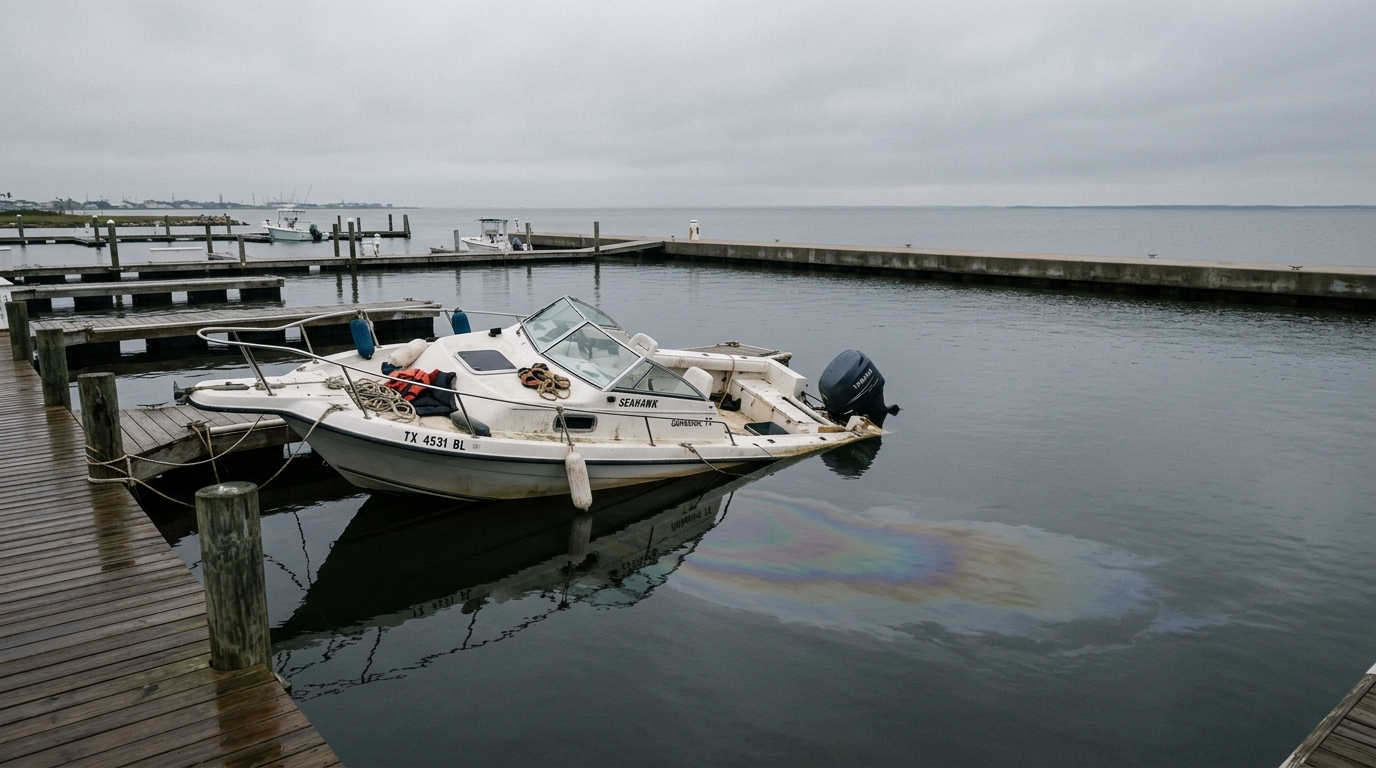
Galveston's boating environment is uniquely challenging. Hurricanes and tropical storms can cause sudden dock failures. Aging fuel systems on older boats are prone to leaks. The bay's shallow waters mean a partially sunken boat can ground out and break apart, releasing even more fuel. Marinas in Texas City, League City, and Clear Lake face similar risks. The O'Donohoe Agency has seen too many local boaters blindsided by cleanup costs they assumed were covered. We know the marinas, the local response protocols, and the specific policy language that can make or break a claim. Don't wait until you see that sheen on the water.
Key Takeaways for Galveston Boaters
Protect Yourself from a Pollution Nightmare
- Review your boat insurance policy today: Check the pollution liability limit—if it's under $25,000, you're at serious risk.
- Understand reporting requirements: In Texas, you must report any oil or fuel spill immediately to both federal and state authorities.
- Invest in dedicated pollution liability coverage: It's the only way to ensure cleanup costs won't sink your financial future.

Next Steps: Secure Your Peace of Mind on Galveston Waters
At The O'Donohoe Agency, we specialize in protecting Galveston boaters from the unexpected. We'll review your current policy, explain the gaps, and find affordable pollution liability coverage that fits your needs. Whether you dock in Galveston, Texas City, League City, or anywhere along the Texas coast, our local expertise makes the difference. Don't let a sunken boat become a financial nightmare. Call us today or visit our office to get a free policy review and make sure you're fully covered before the next storm or mishap. Your boat, your finances, and Galveston Bay will thank you.
