

Introduction: Why Corrosion Questions Come Up So Often In Galveston
If you boat in Galveston, saltwater exposure isn’t an occasional hazard—it’s the baseline. Between bay water, Gulf spray, humid air, and the way boats sit at docks or lifts, metal parts can start showing corrosion faster than owners expect. The tricky part is that corrosion is also one of the most misunderstood insurance issues. Many people assume “mechanical breakdown” coverage automatically helps when an engine quits, a steering system binds, or an electrical component fails. In reality, insurers often separate gradual corrosion from sudden failures. In this article, you’ll learn how that line is typically drawn, what documentation helps, and how to reduce corrosion-related losses without creating coverage headaches.
Context And Background: Corrosion Vs Sudden Failure (How Insurers Think)
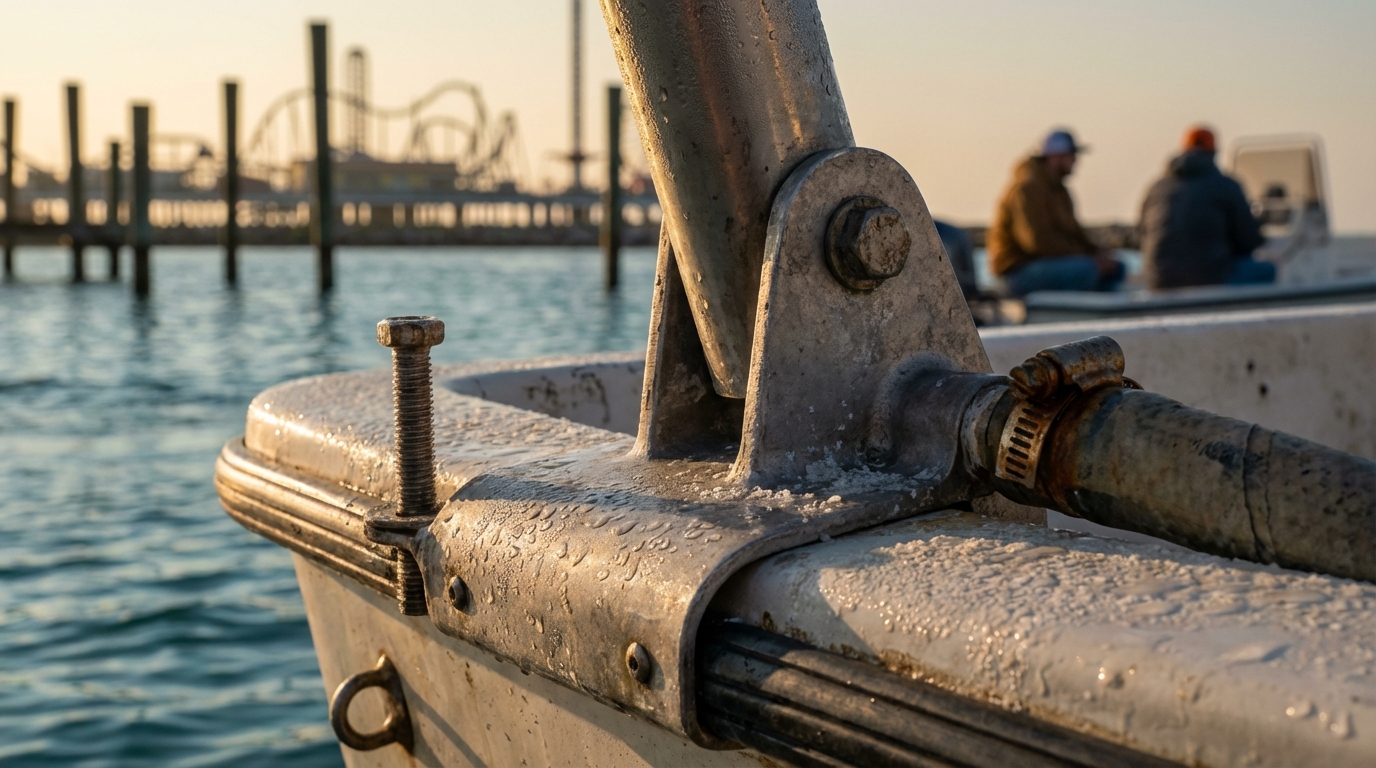
Boat insurance is designed for accidental, unexpected losses—think collisions, storms, sinking, theft, or a sudden covered failure—rather than predictable deterioration over time. Corrosion usually falls into the “wear, tear, deterioration, and maintenance” bucket because it develops gradually and is influenced by upkeep. Mechanical breakdown coverage, when offered, is often intended for a sudden internal failure (for example, a connecting rod failure or a gearcase issue) that isn’t caused by neglect. In a saltwater market like Galveston, adjusters may look closely at whether the damage pattern shows long-term exposure (pitting, flaking, widespread rust, green corrosion on wiring) or a one-time event (a snapped component, a sudden overheating incident, a lightning strike). Understanding this framing helps you set realistic expectations before a claim ever happens.
Main Point 1: Does Mechanical Breakdown Coverage Help With Corrosion?
Most of the time, mechanical breakdown coverage does not pay to fix corrosion itself. If the primary cause is corrosion, electrolysis, galvanic action, or “deterioration,” insurers commonly treat it as excluded maintenance. Where mechanical breakdown coverage can help is when a covered, sudden failure occurs and corrosion is not the cause—or when corrosion is incidental rather than the driver of the loss. A practical way to think about it: if the part failed because it was eaten away over months or years, that’s usually not covered. If a component fails suddenly and the inspection supports a non-corrosion cause, coverage is more likely. In Galveston, common gray areas include corroded wiring leading to a fire, a seized steering cable, or an outboard that overheats. In those cases, the claim often hinges on the root-cause findings and your maintenance history.
Main Point 2: What Maintenance Documentation Matters If You Ever Need A Claim
Documentation doesn’t need to be fancy, but it should be consistent. If you ever need to argue that a failure was sudden and not the result of neglect, insurers tend to value proof of routine service: dated invoices from a marine mechanic, winterization or seasonal service records, engine-hour logs, and receipts for impellers, anodes, battery replacements, and corrosion inhibitors. Photos can help too, especially before-and-after shots when you replace anodes or clean corrosion on terminals. In Galveston and nearby marinas, it’s common to use a service shop for annual outboard service—keep those work orders. If you do your own maintenance, save receipts and write down dates and engine hours. The goal is to show a pattern of care, which can make it easier for an adjuster to believe a failure was unexpected rather than the end result of long-term corrosion.
Main Point 3: Practical Steps To Reduce Corrosion Losses Without Jeopardizing Coverage
Corrosion prevention is partly about habits and partly about setup. After runs in saltwater, flush the engine per manufacturer guidance, rinse exposed metal, and let compartments dry—trapped moisture is a quiet accelerant in coastal Texas. Replace sacrificial anodes on schedule and confirm they’re the correct type for your water and setup; mismatched anodes can make galvanic issues worse. Keep battery terminals protected, wiring connections sealed, and bilges clean and dry to reduce electrical corrosion and stray-current risks. If you store at a dock in Galveston, check shore power connections and consider a galvanic isolator if appropriate for your system. Also, don’t ignore small symptoms: intermittent gauges, slow cranking, or stiff steering can be early warnings. Addressing issues early can prevent a “big failure” that later gets labeled as corrosion-related wear and tear.
Local Relevance: Galveston Conditions That Make Corrosion Claims Tricky
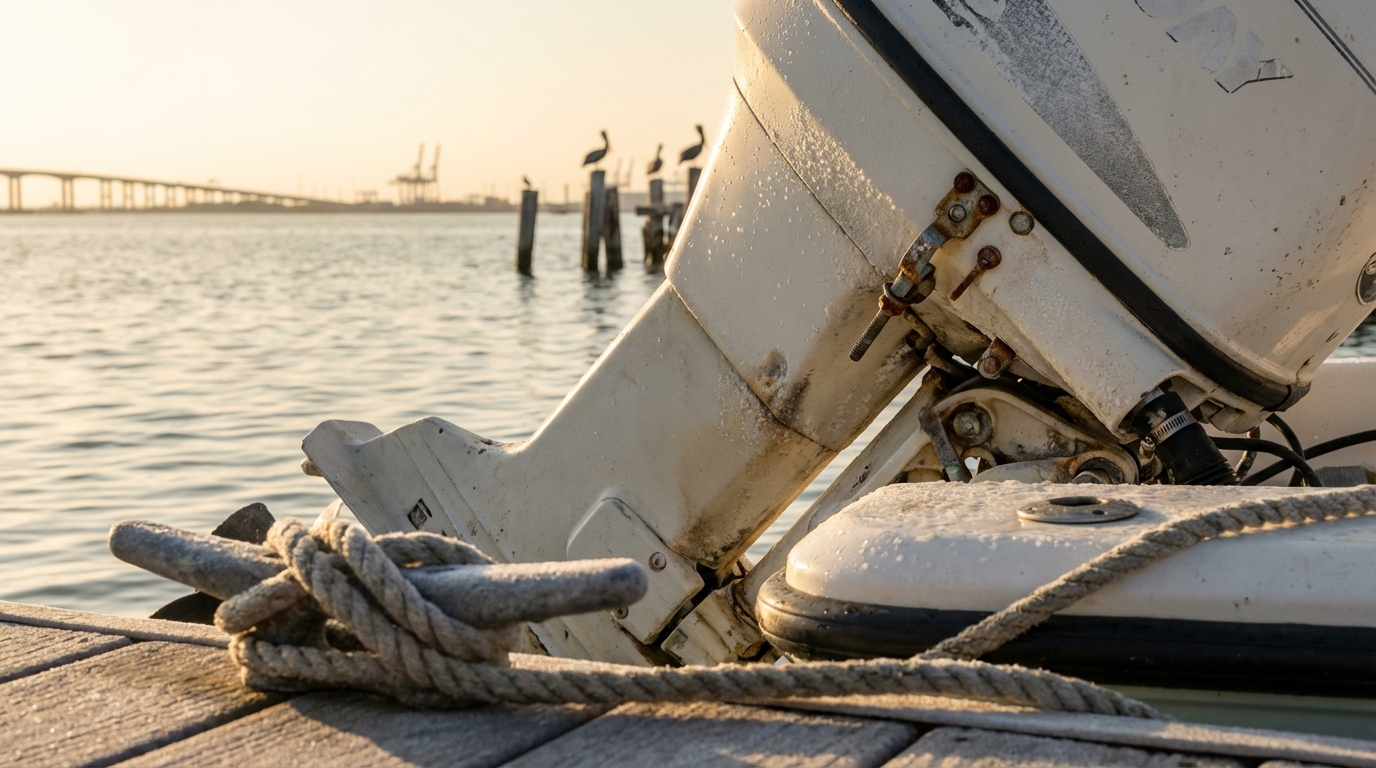
Galveston’s boating environment creates a perfect storm for corrosion: salty air, high humidity, and frequent spray even on calm days. Boats that sit for long stretches—especially in the heat—can develop corrosion faster than boats that are used and rinsed regularly. If you run between Galveston and nearby areas like Texas City, League City, Dickinson, La Marque, Santa Fe, Friendswood, or Clear Lake, you may see a mix of water conditions and storage setups that affect corrosion patterns. Another local factor is storm season: after heavy weather, boats may sit with water intrusion, soaked wiring, or contaminated bilges, which can kick off rapid corrosion and electrical issues. If you ever have a loss after a storm, documenting the timeline (when the storm hit, when you discovered the issue, what you did to mitigate damage) can be just as important as your long-term maintenance records.
Key Takeaways: How To Keep Corrosion From Turning Into A Coverage Problem
- Mechanical breakdown coverage may help with sudden failures, but it typically won’t pay to fix gradual corrosion or deterioration.
- Claims often turn on root cause. A mechanic’s written findings can make a big difference when corrosion is suspected.
- Keep simple maintenance proof: dated invoices, engine-hour notes, anode replacement records, and photos of key service items.
- Reduce risk with consistent flushing/rinsing, dry storage practices, clean electrical connections, and correct sacrificial anodes.
- After storms or water intrusion, mitigate quickly and document what happened and when to avoid disputes about ongoing damage.

Next Steps: Review Your Policy Before The Next Galveston Trip
If you’re not sure whether your policy has mechanical breakdown coverage (or what it actually applies to), it’s worth reviewing now—before an engine issue forces the question. Ask for clarity on how the policy treats wear and tear, corrosion, electrolysis/galvanic action, and what “sudden and accidental” means in plain language. It’s also smart to confirm whether your policy is agreed value or actual cash value, and whether you have towing and on-water assistance that can prevent a small mechanical issue from becoming a bigger loss. The O'Donohoe Agency works with Galveston boaters every day, and we can help you compare options, identify gaps, and make sure your coverage matches how and where you use your boat around Galveston and neighboring communities.
Get A Galveston Boat Insurance Quote With The Right Protection
Want to know how your policy would respond to a sudden engine failure versus long-term corrosion? Request a quote and a quick coverage review tailored to how you boat in Galveston and nearby waters.
Get My Quote