

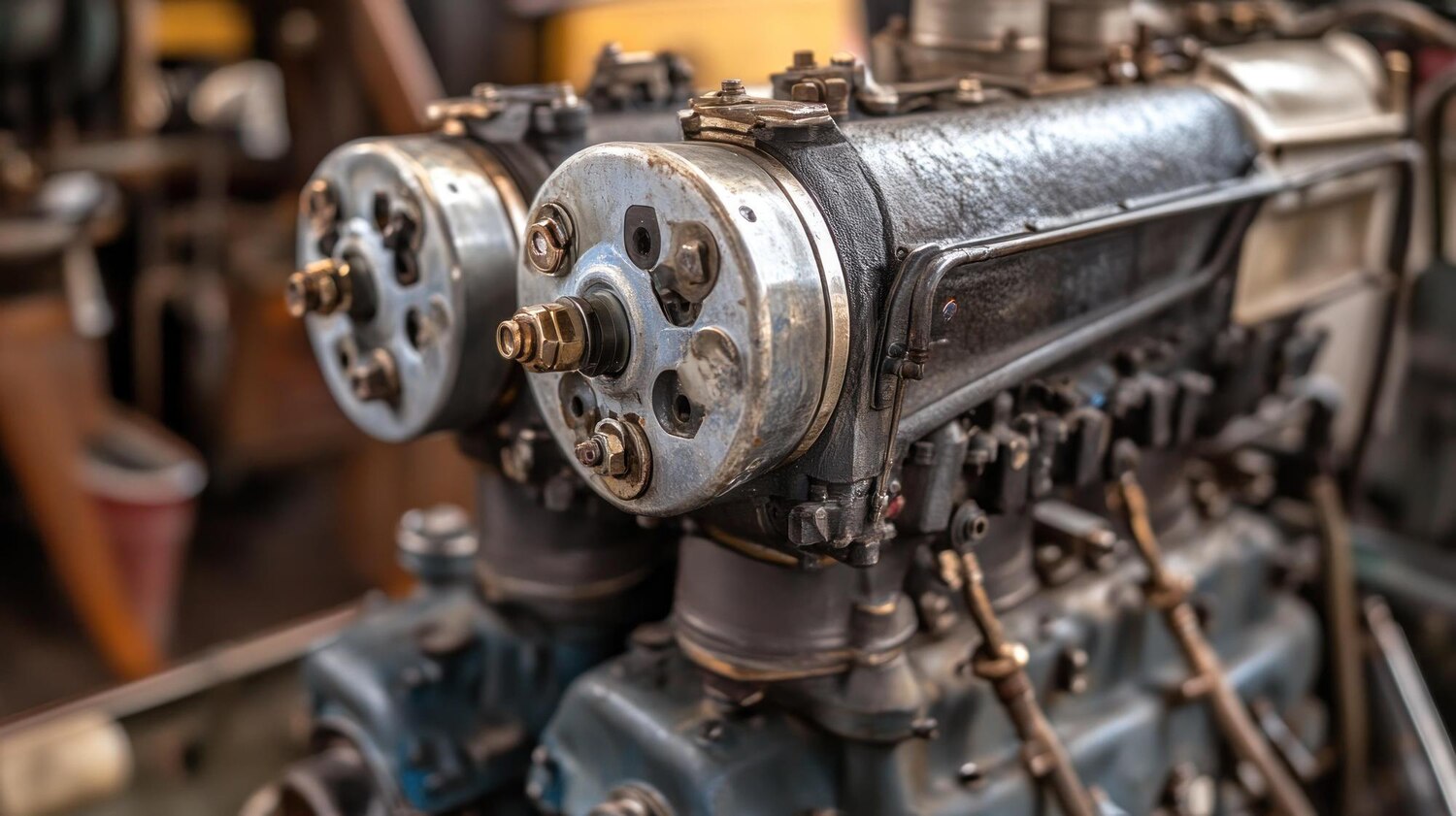
Introduction: Why Breakdown Coverage Matters On Galveston Water
If you boat around Galveston long enough, you’ll eventually hear the same story at the marina: the day a perfectly fine engine suddenly wasn’t. Mechanical breakdown coverage is designed for that kind of unexpected failure, when a key component stops working even though you didn’t hit anything and you weren’t neglecting the boat. Because Galveston boaters deal with long runs across the bay, busy channels, and hot summer operating temps, a breakdown can quickly become expensive and stressful. Below, we’ll walk through what typically counts as a covered repair, what usually does not, what paperwork helps, and how towing assistance fits into the plan.
Context And Background: What Mechanical Breakdown Coverage Is (And Isn’t)
Mechanical breakdown coverage is not the same thing as physical damage coverage (like collision or comprehensive) and it’s not a warranty replacement. Think of it as a coverage option that may help pay for repairs when a covered mechanical or electrical part fails due to a sudden breakdown, not because of an accident. Policies vary widely by carrier and by boat type, so it’s important to read the definitions: “breakdown,” “failure,” and “covered part” are the words that decide claims. In a Gulf Coast environment like Galveston, the big confusion is corrosion and maintenance. Many people assume “the engine quit” automatically equals coverage, but insurers often look for whether the failure was sudden and accidental versus the result of wear, saltwater corrosion, or skipped service.
Main Point 1: Repairs That Often Count As Covered Mechanical Breakdowns
While every policy is different, mechanical breakdown coverage often focuses on major propulsion and essential onboard systems. Common examples that may be covered include a sudden internal engine failure (for instance, a connecting rod failure or catastrophic oiling failure), a lower unit failure on an outboard or stern drive that occurs without impact, or a starter/alternator failure that leaves you unable to start. Some policies also extend to steering systems, fuel system components, or electrical system failures that cause a loss of function. A good way to think about it is this: if a part breaks unexpectedly and causes an immediate loss of operation, and there’s no evidence of collision, grounding, or neglect, it has a better chance of fitting the “breakdown” definition. In Galveston, that can mean the difference between paying out of pocket and getting help when you’re dead in the water.
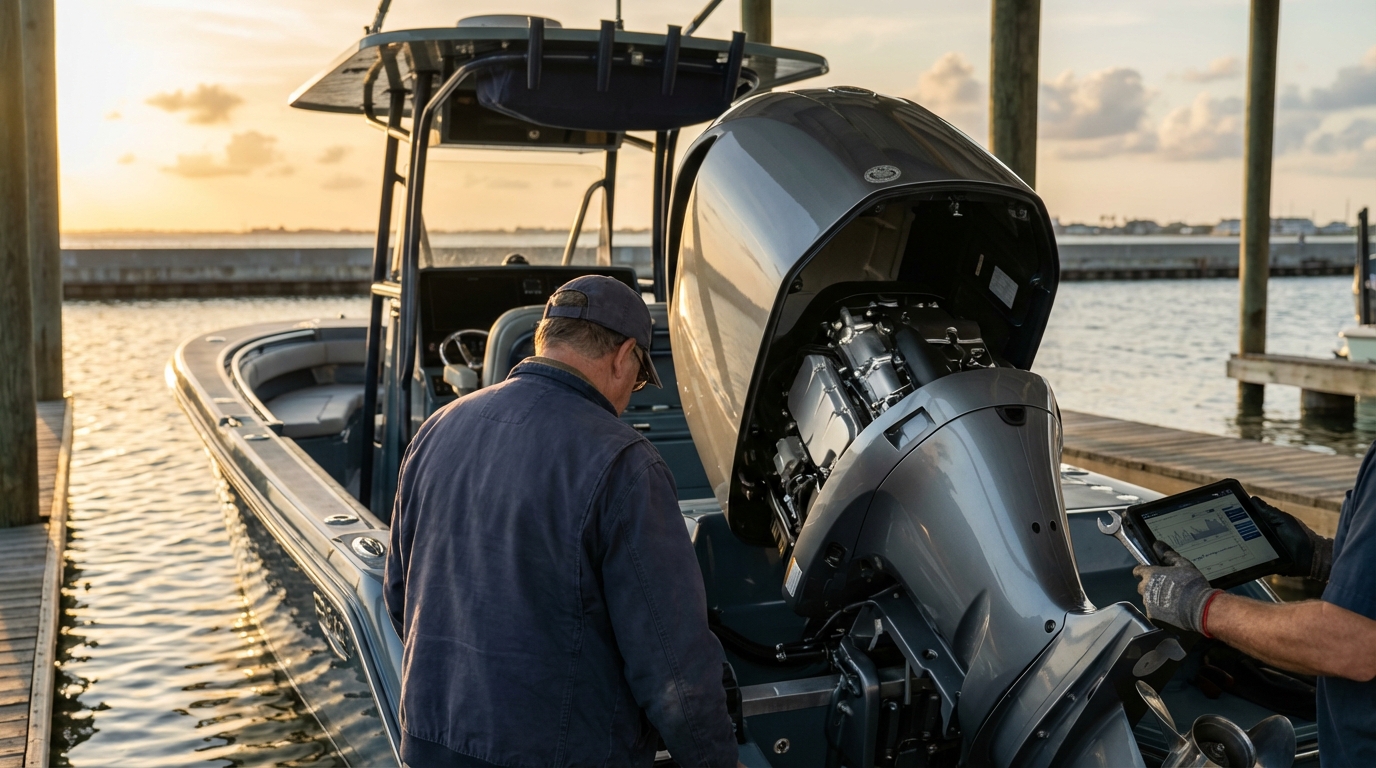
Main Point 2: What’s Typically Excluded (Wear And Tear, Maintenance, Corrosion)
The most common denials are tied to predictable deterioration. Wear and tear is the big one: belts, hoses, impellers, spark plugs, filters, and routine tune-up items are usually considered maintenance, not a sudden breakdown. Corrosion is another frequent exclusion on the Texas Gulf Coast. If a claim investigation points to saltwater intrusion, corroded wiring, rusted cooling passages, or long-term deterioration, insurers often treat it as gradual damage rather than a covered failure. Overheating claims can go either way, but if the root cause is a neglected impeller, blocked intake, or old coolant/poor flushing habits, it may be viewed as avoidable maintenance. Also, pre-existing issues matter: if the boat had known problems, warning alarms, or prior shop recommendations that weren’t addressed, it can be harder to show the failure was sudden and accidental.
Main Point 3: Real-World Galveston Scenarios That Help You Predict Claim Outcomes
Here are a few practical examples that mirror what Galveston-area boaters experience. Scenario A: You’re running out near the jetties and the engine loses oil pressure and shuts down; the shop finds an internal oil pump failure with no signs of impact. That’s the type of sudden failure that may line up well with breakdown coverage. Scenario B: The boat won’t start at the dock, and the mechanic finds a corroded main ground and damaged harness from salt exposure over time. That often falls into corrosion/gradual deterioration. Scenario C: Your lower unit fails, but the skeg shows impact and the prop has damage consistent with striking something in a channel. Even if the failure is “mechanical,” it may be handled under physical damage (if you carry it) rather than breakdown, or it could be excluded depending on how the policy treats impact-related failures. These distinctions are why documentation and a clear timeline matter.
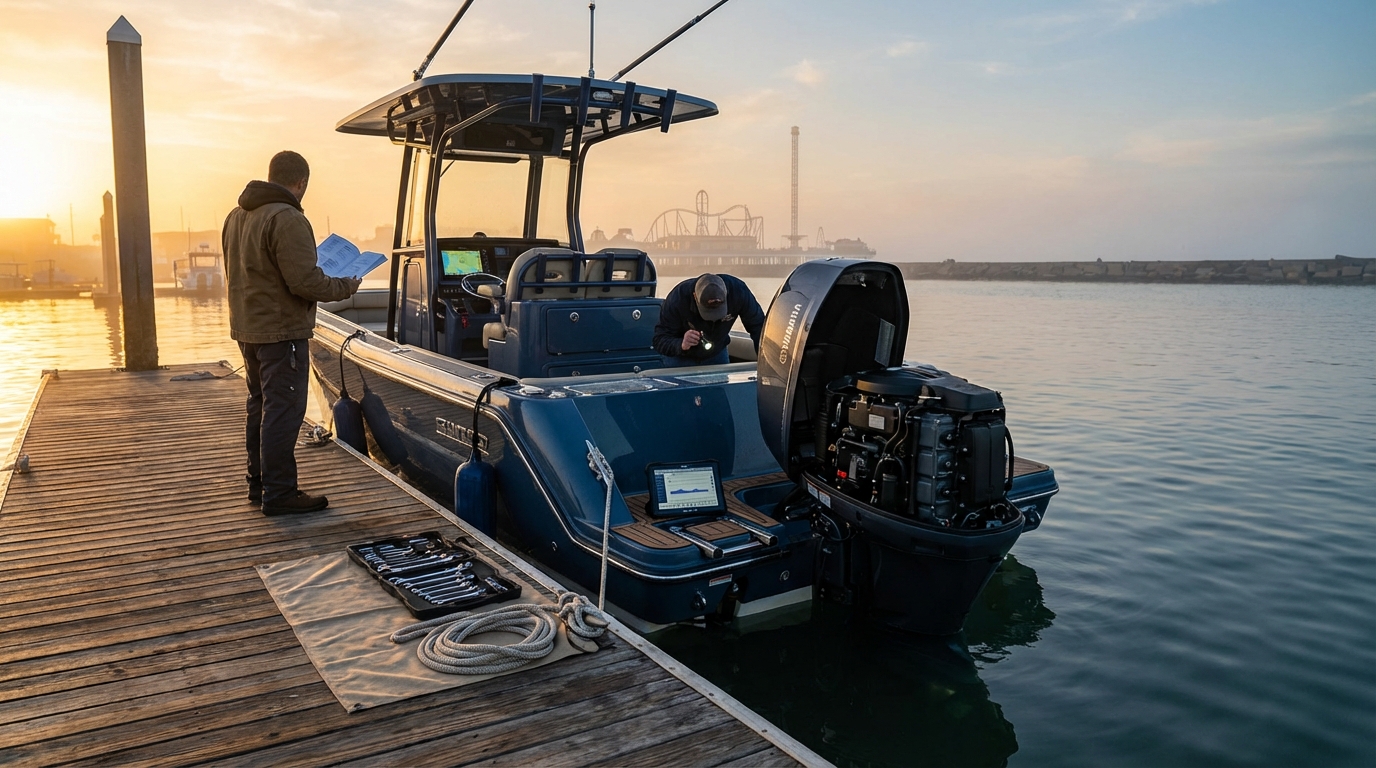
Local Relevance: Galveston Conditions That Influence Breakdowns And Coverage
Galveston boating has a few local realities that directly affect mechanical claims. Salt air and brackish water accelerate corrosion on electrical connections, steering components, and cooling systems, which is why insurers pay close attention to flushing habits and corrosion control. Summer heat can push engines harder, and long idle times around busy areas can contribute to overheating if cooling systems aren’t in top shape. Shallow spots and changing conditions around channels can also create hidden impact risks; a “mystery vibration” after a day on the water can later show up as a lower unit issue that looks more like impact than breakdown. If you trailer between Galveston, Texas City, and Clear Lake, that travel also increases opportunities for accidental damage (like skeg hits at ramps) that may be covered differently than a pure mechanical failure.
Key Takeaways: How To Improve Your Odds Of A Smooth Mechanical Breakdown Claim
- Know your policy definitions: “mechanical breakdown,” “covered part,” and “exclusions” decide outcomes more than the repair invoice does.
- Keep maintenance records: store receipts for oil changes, impellers, lower unit service, battery replacement, and any winterization or corrosion prevention work.
- Document the failure quickly: note date/time, alarm codes, dash warnings, and conditions (temperature, location, hours on engine) before the boat is moved or repaired.
- Avoid “maintenance gaps”: skipped service intervals and ignored warning signs are common reasons insurers treat a failure as wear and tear or neglect.
- Pair breakdown coverage with towing assistance: towing gets you off the water safely, while breakdown coverage (when applicable) helps with the repair bill.

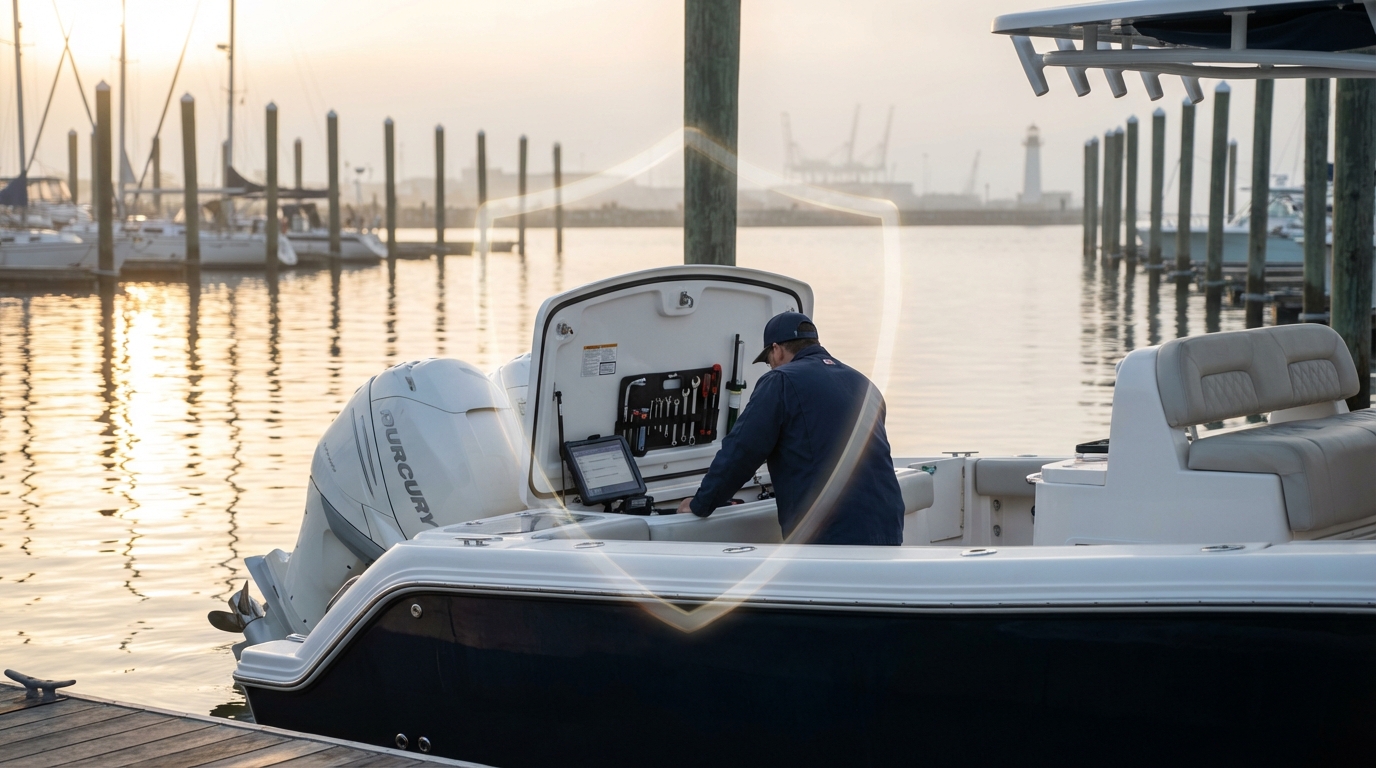
Next Steps: What To Review With A Galveston Boat Insurance Pro
If you’re considering mechanical breakdown coverage in Galveston, start by reviewing what equipment is actually scheduled or recognized on the policy: engine type (outboard, inboard, stern drive), hours, and any upgrades. Ask how the policy treats corrosion, electrical failures, and overheating, since those are common Gulf Coast pain points. It’s also smart to confirm whether there are required service intervals, preferred repair facilities, or claim steps like getting approval before repairs begin. Finally, look at towing assistance limits and how they apply locally—whether you’re boating near Galveston, heading toward Texas City, or running over toward Clear Lake. The O'Donohoe Agency can help you compare options, explain the fine print in plain language, and set up coverage that matches how and where you actually boat.
Compare Mechanical Breakdown And Towing Options
Want help figuring out what mechanical breakdown coverage may include for your boat in Galveston and what exclusions to watch for? Get a quick quote and a coverage review tailored to your engine, usage, and local waters.
Get My Quote