

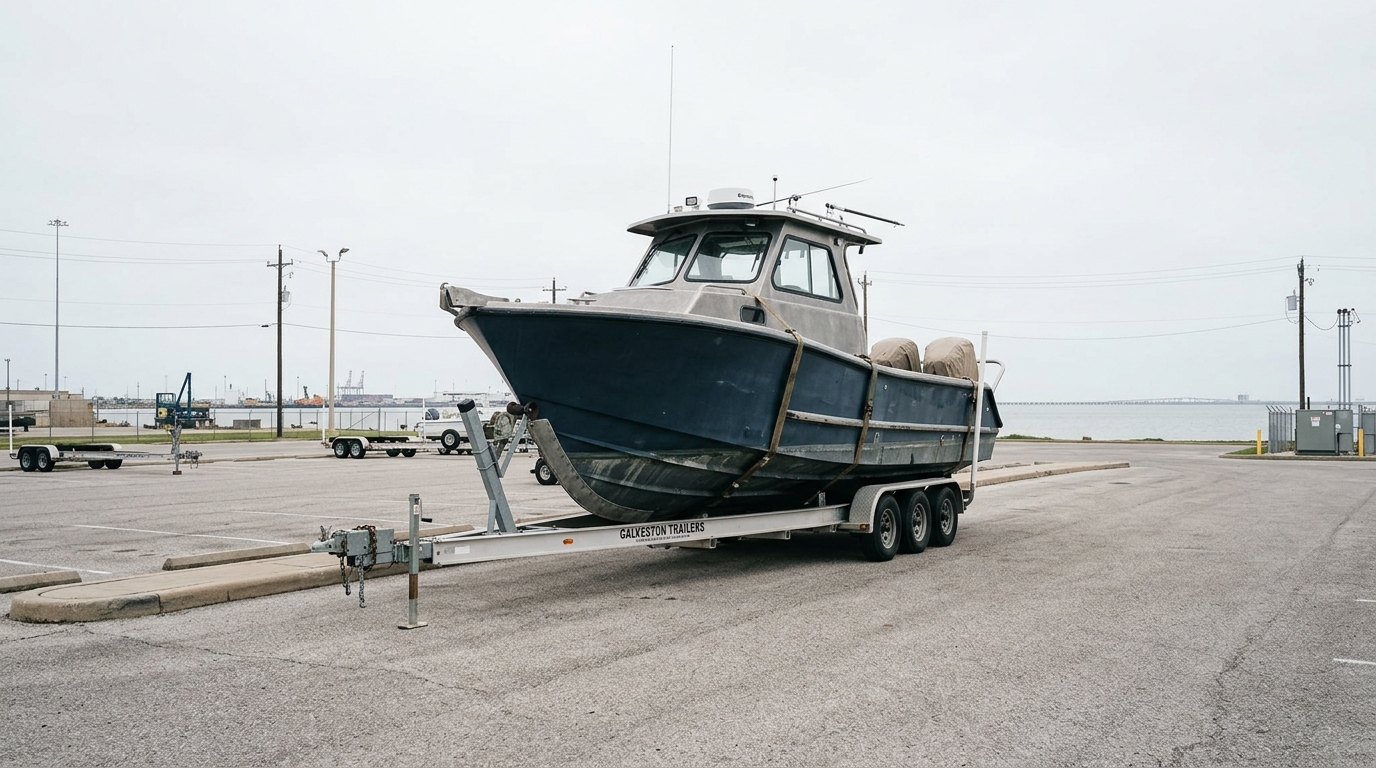
The Unseen Threat Beneath Galveston Bay's Surface
Galveston Bay is a boater's paradise, offering incredible fishing, sailing, and cruising opportunities. But beneath its often-murky surface lies a dynamic and sometimes unforgiving landscape of shifting sandbars, unmarked oyster reefs, and rapidly changing depths. For local boaters, the thud of a hull striking an underwater obstacle is a sound that can instantly turn a perfect day into a costly nightmare. Running aground isn't just an embarrassing inconvenience; it can cause significant structural damage that compromises your boat's safety and value. From hairline gelcoat cracks that allow water intrusion to major fiberglass delamination, the repair bills can quickly spiral into the thousands. Understanding how to protect your investment with comprehensive hull coverage is not just a smart financial decision—it's essential for any responsible boat owner in the Galveston area.
Why Galveston's Geography Demands Special Attention
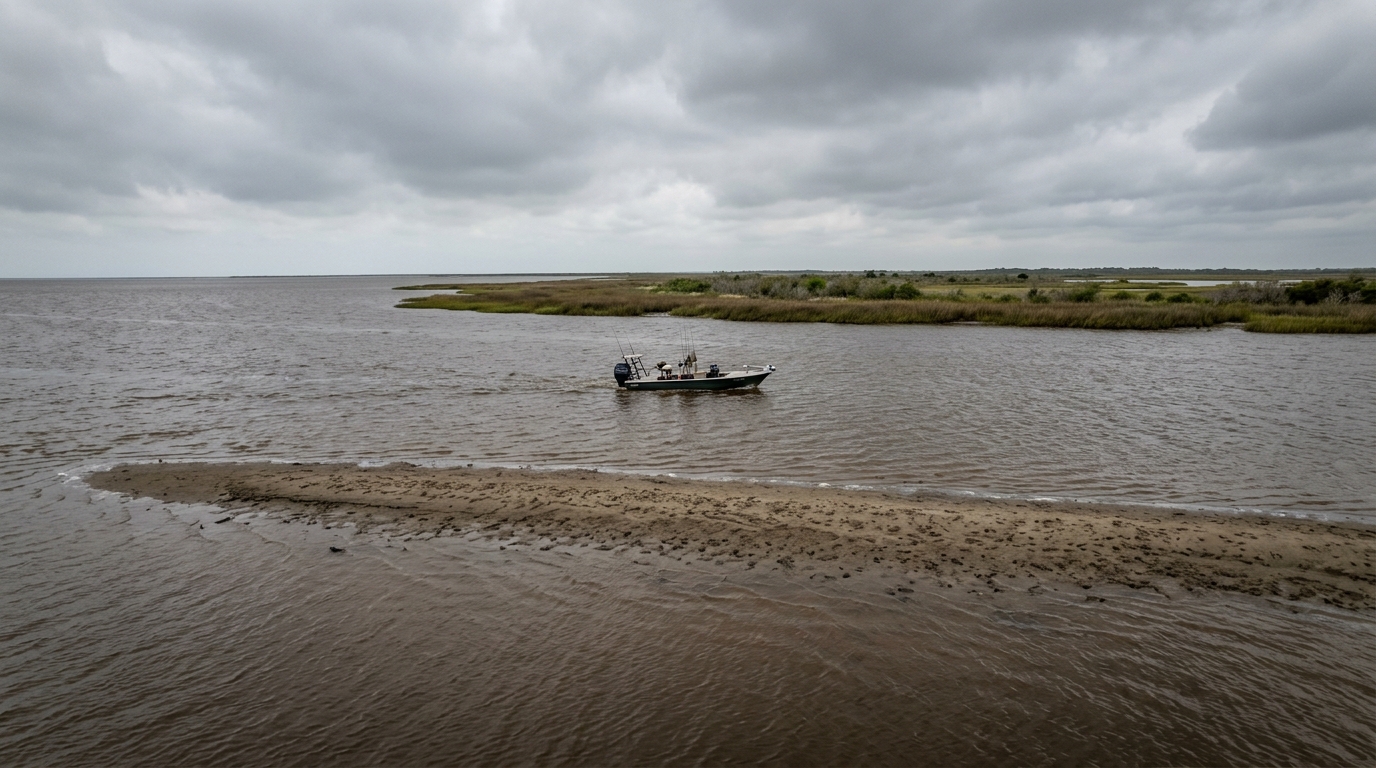
The unique geography of the Galveston Bay system makes it particularly treacherous for hulls. Unlike a deep, rocky lake where hazards are static, our bay bottom is in constant flux. Sediment carried by the Trinity River and the daily tidal exchange through Bolivar Roads continuously reshapes sandbars. A channel that was ten feet deep last summer might be only four feet deep this spring. Furthermore, the bay is famously lined with extensive oyster reefs—hard, razor-sharp structures that can slice through fiberglass like a can opener. Even a soft grounding on a mud flat can cause hidden damage, such as bending a prop shaft, cracking the rudder port, or stressing the keel-to-hull joint. Local knowledge is invaluable, but even the most experienced captains can be caught out by a sudden squall, poor visibility, or a recent shift in the bottom structure. This is where having the right insurance becomes your ultimate safety net.
The Anatomy of Grounding Damage: What's Really at Stake
When your boat runs aground, the damage is often far more extensive than what you can see from the deck. The initial impact can cause a spiderweb of gelcoat cracks on the hull's exterior. While they may seem cosmetic, these cracks create a pathway for water to seep into the underlying fiberglass laminate. Over time, this water intrusion leads to delamination, where the layers of fiberglass separate, severely weakening the hull's structural integrity. An impact with a sharp oyster reef is even more immediate and violent, potentially gouging a deep gash into the laminate. The force of the grounding also travels through the entire vessel, potentially damaging the engine mounts, misaligning the propeller shaft, and cracking the rudder assembly. A full survey after any significant grounding in areas like Dickinson Bay or near the Texas City Dike is not just a recommendation; it's a necessity to identify hidden damage that could lead to catastrophic failure later.
How Hull Coverage Pays for Your Peace of Mind
Hull coverage, a core component of a comprehensive boat insurance policy, is what steps in to cover the cost of physical damage to your boat's structure, machinery, and fittings. When you experience a grounding in the waters off League City or anywhere else, this coverage pays for the necessary repairs, minus your chosen deductible. This goes far beyond just a patch-up job. A proper claim will cover the cost of hauling the boat out of the water, pressure washing the hull, and a full inspection by a qualified marine surveyor. It will then pay for the meticulous repair process, which for fiberglass boats involves grinding out the damaged area, laying up new fiberglass mat and resin to match the original thickness, and professionally color-matching and spraying the gelcoat. For severe structural damage, it even covers complete component replacements, such as a new strut, propeller, or rudder. Without this coverage, you would be facing these five-figure repair bills entirely on your own.
Agreed Value vs. Actual Cash Value: A Critical Choice for Galveston Boaters
When setting up your hull coverage, the most critical decision you'll make is between an Agreed Value and an Actual Cash Value (ACV) policy. An Agreed Value policy locks in the value of your boat at the start of the policy term. In the event of a total loss—for example, if your boat is completely destroyed after hitting a submerged object near the Clear Lake channel—you are paid that agreed-upon amount in full, with no deduction for depreciation. This provides certainty and is the gold standard for protecting your investment. An ACV policy, on the other hand, factors in depreciation. For a total loss, the insurance company will pay you the boat's current market value at the time of the loss, which can be thousands of dollars less than you paid. For a partial loss, an ACV policy might only pay a depreciated percentage for older parts, leaving you to cover the difference out of pocket. For a valuable asset constantly at risk in our local waters, an Agreed Value hull policy is a powerful form of financial protection.
Proactive Navigation Tips for Galveston's Local Waters
Insurance is your financial safety net, but the best strategy is always to avoid an accident in the first place. Navigating Galveston Bay safely requires a proactive and informed approach. First, never rely on a single source of information. Your chartplotter is a fantastic tool, but its data is only as good as its last update, and sandbars shift. Always cross-reference your digital charts with a recent, local paper chart. Second, invest in and learn to read the water's surface. A subtle ripple or a change in water color from deep green to a murky brown often indicates a shallow shoal. Third, pay close attention to the tide. A route you traversed safely at high tide can become impassable at low tide. This is especially true in back-bay areas popular with anglers launching from Texas City or La Marque. Finally, slow down. Proceeding at idle speed when in unfamiliar or shallow territory dramatically reduces the force of impact and potential damage if you do touch bottom.
The Essential First Steps After a Grounding Incident
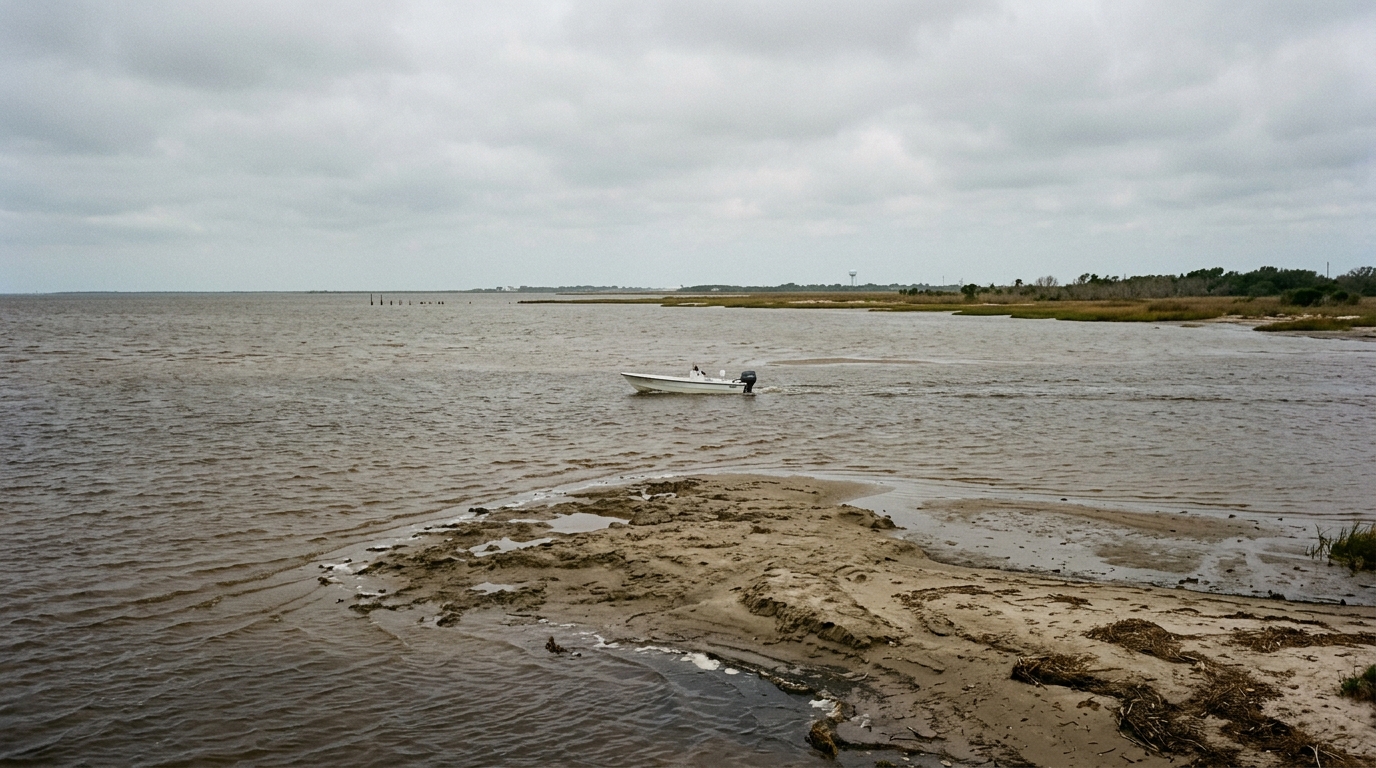
If you do run aground in Galveston Bay, your immediate actions can significantly impact your safety and the outcome of an insurance claim. First, immediately check for water ingress. Look in the bilge and all compartments. If water is entering rapidly, focus on the safety of all passengers, deploy life jackets, and call for help from the Coast Guard or a commercial towing service like TowBoatUS. If the situation is stable, do not try to power off the obstruction. Using your engine to rock or power off can dramatically worsen the damage, turning a simple crack into a major hull breach. Instead, try to determine the nature of the bottom. If you're on soft mud, you may be able to wait for a rising tide to float free. If you're on an oyster reef, any movement will cause more damage. Your next call should be to your insurance provider to report the incident and get guidance on approved surveyors and repair shops in the Galveston, Dickinson, or Friendswood area.
Key Takeaways for Protecting Your Hull in Galveston
Your Galveston Bay Grounding Protection Checklist
- Invest in an Agreed Value hull policy to avoid depreciation disputes after a claim.
- Always cross-reference digital charts with updated local knowledge before a trip.
- Learn to read the water's surface for signs of shallow shoals and reefs.
- After any grounding, get a professional marine survey to find hidden structural damage.
- Never power off a grounding; wait for a tide or call for professional assistance.

Chart Your Course with Confidence, Protected by The O'Donohoe Agency
Navigating the beautiful but challenging waters around Galveston, from the open bay to the channels near Santa Fe, is a way of life. The last thing you want to worry about is whether a hidden sandbar or an unforgiving oyster reef will sink your finances along with your boat. At The O'Donohoe Agency, we are your local, independent insurance experts. We don't just sell policies; we understand the specific risks of boating in Galveston Bay because we're out here on the water too. We can help you compare hull coverage options, explain the nuances of Agreed Value versus Actual Cash Value, and build a comprehensive policy that truly protects your prized vessel. Don't leave your financial safety to chance. Contact us today for a personalized review of your boat insurance, and let us help you get back to enjoying the bay with complete peace of mind.
