

The Unseen Trap: Why Galveston Bay is a Grounding Hotspot
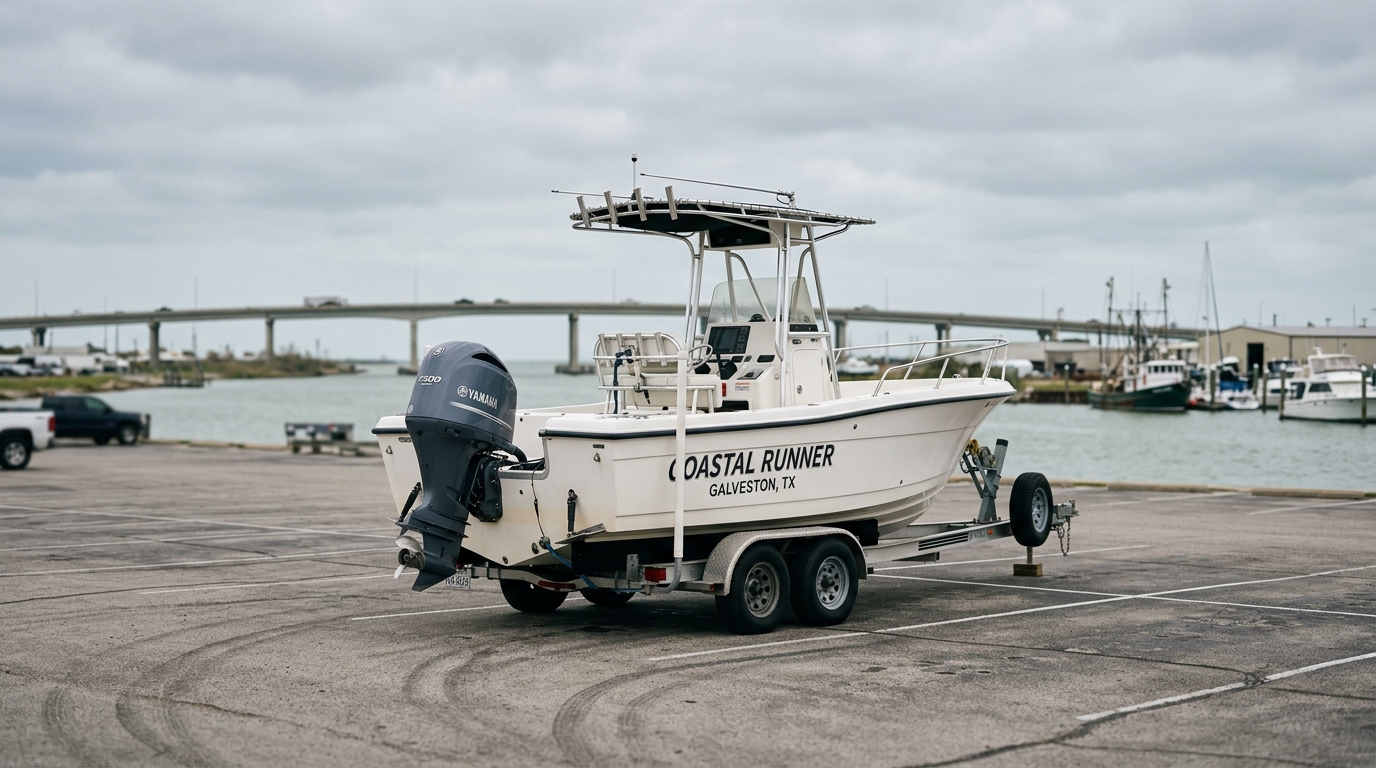
For any seasoned boater in Galveston, the thrill of a day on the water comes with a familiar, nagging worry: the shifting sandbars. Galveston Bay and West Bay are notoriously shallow, dynamic ecosystems where the bottom is constantly on the move. One week, a channel is deep enough for your outboard; the next, a new shoal has formed, waiting to catch an unwary captain. This isn't a matter of skill; it's the very nature of our local waterways. A 'soft aground' on a mud or sand flat is almost a rite of passage here. But what starts as a minor inconvenience and a bruised ego can quickly escalate into a serious threat to your boat's hull, your engine, and your wallet. Understanding this local risk is the first step in protecting your investment and ensuring every trip ends safely back at the marina.
Soft Aground vs. Hard Grounding: A Critical Difference for Your Hull
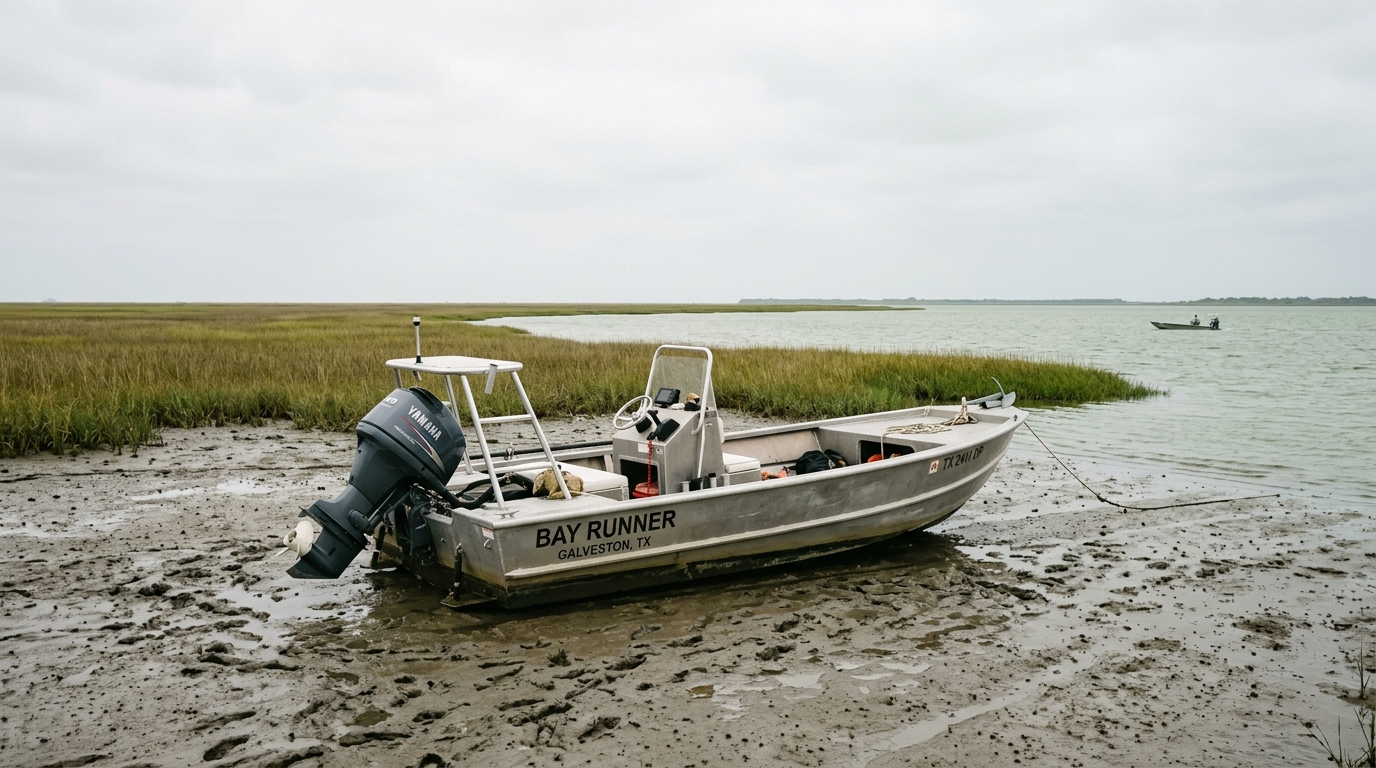
When your boat comes to a sudden, unexpected stop, the first thing to assess is what you've hit. A 'soft aground' typically means you've settled onto mud, sand, or silt—the most common scenario in the bays around Texas City and Dickinson. The immediate impact might seem gentle, but the danger is often hidden. As waves from passing ships or a rising tide rock your vessel, the hull can repeatedly pound against the bottom, causing gelcoat stress cracks, fiberglass delamination, or damage to running gear like props and shafts. A 'hard grounding,' on the other hand, involves striking a solid object like rock, oyster reef, or a submerged piling. This is a catastrophic event that can hole the hull and lead to immediate sinking. Both scenarios require a calm, informed response to prevent turning a bad moment into a total loss.
The Hidden Costs of a Self-Rescue Attempt
The instinct to power off a sandbar is a strong one, and it's almost always a mistake. When you're stuck in the muck near League City or La Marque, gunning the engine in reverse does more than just stir up a cloud of silt. It can suck that abrasive mixture of sand and mud directly into your engine's cooling system, leading to a severe overheat and impeller failure. The prop wash can also dig a hole around your hull, making the boat settle deeper and harder to free. Worse, the strain on the engine mounts and drivetrain from a hard, stuck propeller can cause thousands of dollars in mechanical damage. What could have been a simple, professional tow often turns into a repair bill that rivals a major engine service, all because of a well-intentioned but damaging attempt at self-rescue.
How Towing Coverage Becomes Your On-Water Roadside Assistance
This is where dedicated on-water towing coverage proves its worth, functioning exactly like roadside assistance for your car. A policy with a reputable provider gives you a single number to call, 24/7, to dispatch a professional captain to your location. These captains are local experts who know the waters off Santa Fe and Clear Lake intimately. They don't just throw you a line and pull. They use specialized techniques like using a tow bridle to distribute pressure, kedging off with an anchor, or even using inflatable airbags to gently lift the boat and minimize hull stress. The cost of a single tow in Galveston Bay can easily run from $800 to several thousand dollars, depending on your location and the size of the vessel. An annual towing membership or rider on your boat insurance policy pays for itself the very first time you need it.
Preventing Further Damage: The First Steps After a Grounding
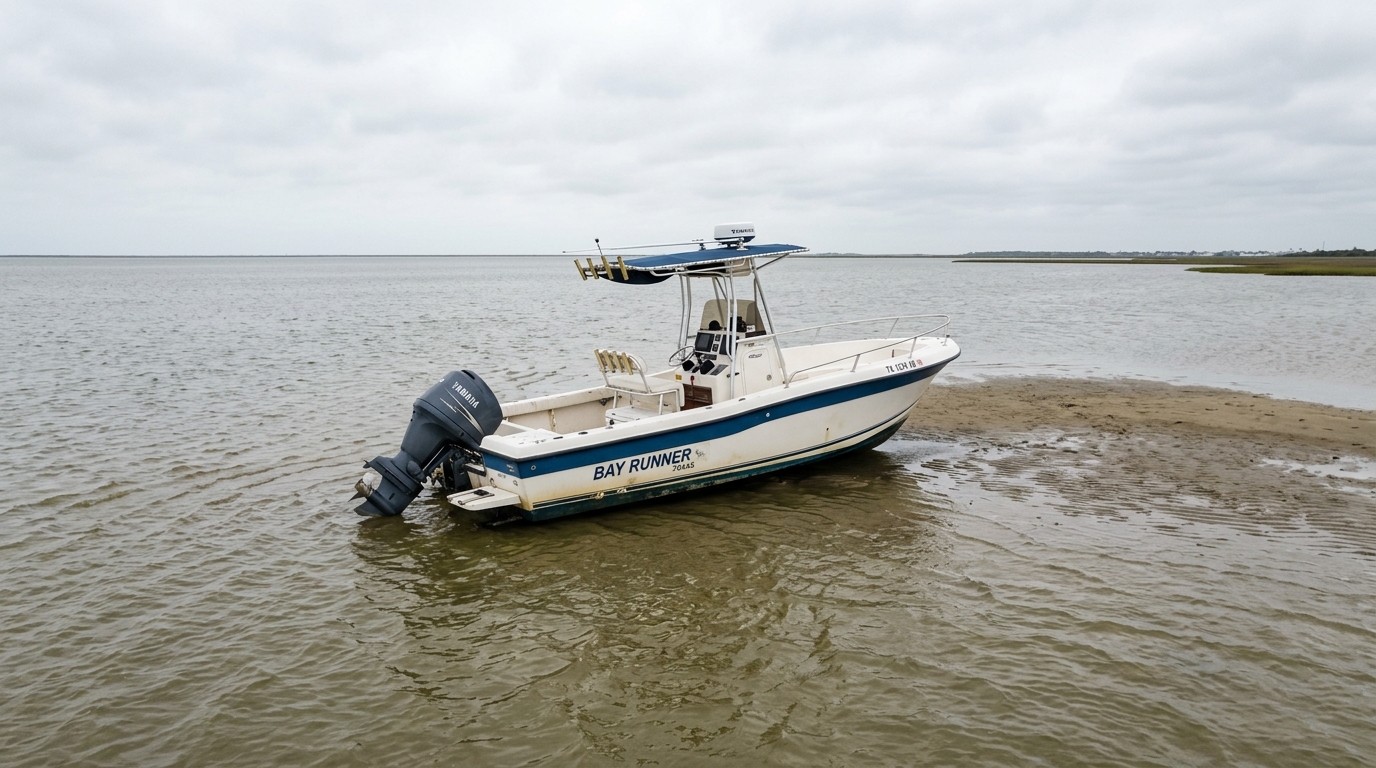
After you realize you're aground near Galveston, your first actions are critical. Immediately kill the engine to prevent cooling system damage. Have everyone on board put on a life jacket. Next, check the bilge for any signs of water intrusion, which could indicate a hull breach. Tilt your outdrive or outboard up to protect it. Then, assess the situation: what is the tide doing? Is it rising or falling? A falling tide in West Bay can leave you high and dry for hours, making the situation worse. Use your VHF radio on channel 16 to hail the Coast Guard for an emergency, or contact your towing provider directly. Do not attempt to push off with a boat hook or oar, as this can cause you to slip and fall, compounding the emergency. Your job is to stabilize the situation and wait for professional help to arrive.
Galveston's Most Treacherous Spots: A Local Boater's Guide
Knowing where trouble lurks is half the battle. For boaters in Galveston, the flats near South Deer Island are a classic trap, especially on a low tide. The entrance to Offatts Bayou can shoal unpredictably after a storm. The area around the Galveston Causeway is notorious for strong currents and shifting sand, creating shallow bars that appear overnight. Farther south, the edges of the Intracoastal Waterway near the San Luis Pass are deceptively shallow outside the marked channel. Even experienced captains who have navigated these waters for years can find themselves caught out by a new shoal. This local knowledge isn't about fear; it's about preparedness. Knowing that these areas are high-risk means you should slow down, keep a sharp watch on your depth finder, and ensure your towing coverage is active before you leave the dock.
Key Takeaways for Galveston Bay Boaters
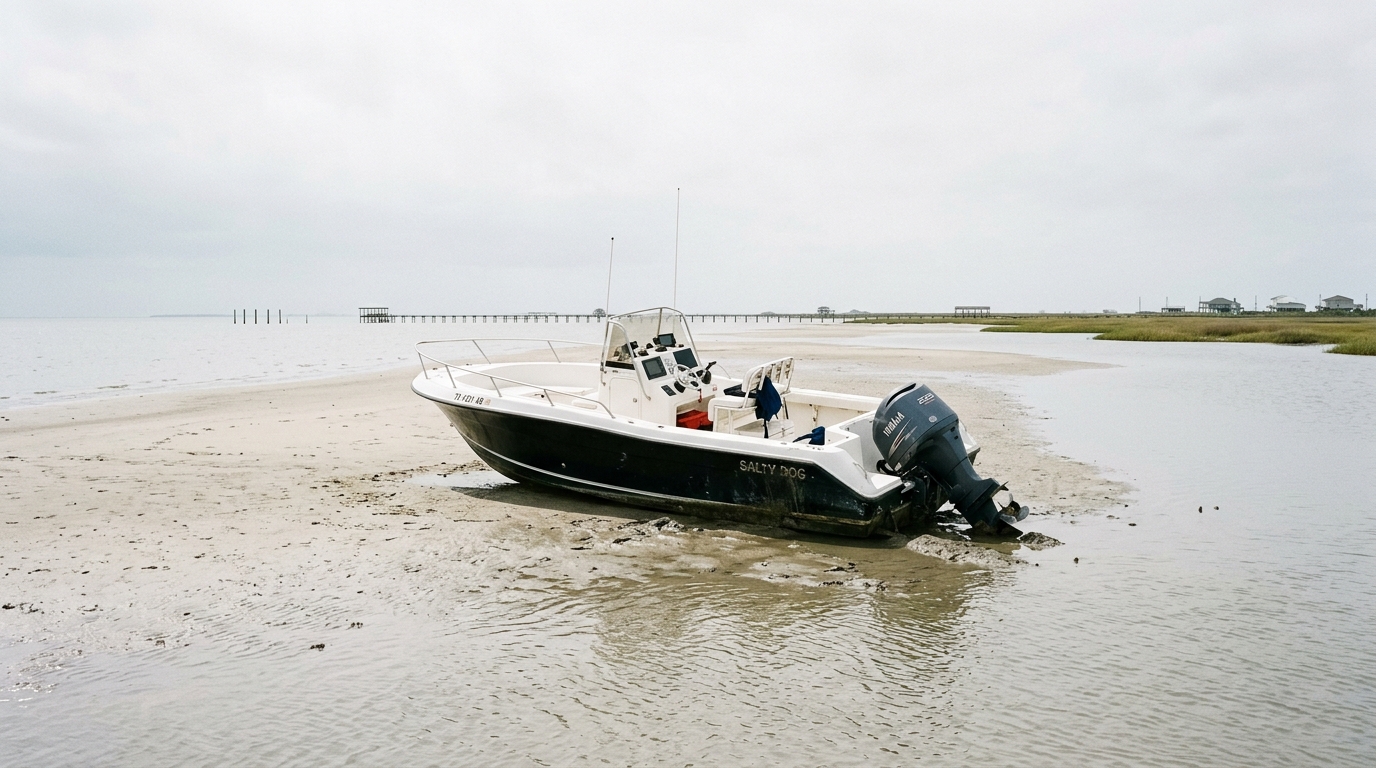
How to Handle a Grounding in Galveston
- Stop the Engine Immediately: Prevent sand and mud from being sucked into the cooling system, which can cause catastrophic overheating.
- Check the Bilge and Hull: Look for any signs of water intrusion. A small crack can become a major problem as the tide rises.
- Radio for Professional Help: Use your VHF radio or phone to call for a tow. A professional extraction is far cheaper than the potential hull and engine damage from self-rescue.
- Know Your Tides: A rising tide is your friend; a falling tide is not. Your actions depend heavily on whether the water is coming in or going out.

Integrating Towing Into Your Boat Insurance Policy
Many boaters assume their standard boat insurance policy automatically includes towing, but this is often a gap in coverage. Towing and assistance is frequently an optional rider that must be added for a small additional premium. When reviewing your policy with an agent at The O'Donohoe Agency, you'll want to confirm the per-occurrence limit for towing. Some policies cap it at $500, which might not cover a long-distance tow from a remote part of the bay back to your marina in Clear Lake. A robust policy will offer limits of $2,500 or more, reflecting the true cost of marine assistance in the Galveston area. This isn't just a line item; it's a direct investment in peace of mind, knowing that a grounding doesn't have to mean a financial disaster on top of a stressful day.
Secure Your Peace of Mind on the Water with The O'Donohoe Agency
Navigating the beautiful but challenging waters around Galveston, Texas City, and League City is a passion we share with you. As local boaters ourselves, The O'Donohoe Agency understands the unique risks our waterways present, from the shifting sands of West Bay to the crowded channels near the Causeway. Don't wait until you're stuck on a sandbar to wonder if you're covered. Our team specializes in crafting boat insurance policies that fit your specific needs, ensuring you have the right towing and assistance coverage to handle any soft aground with confidence. We invite you to review your current policy with us. Let's make sure a simple grounding is just a minor inconvenience and not a financial catastrophe. Contact us today for a comprehensive policy review and get back to enjoying the water with total peace of mind.
