

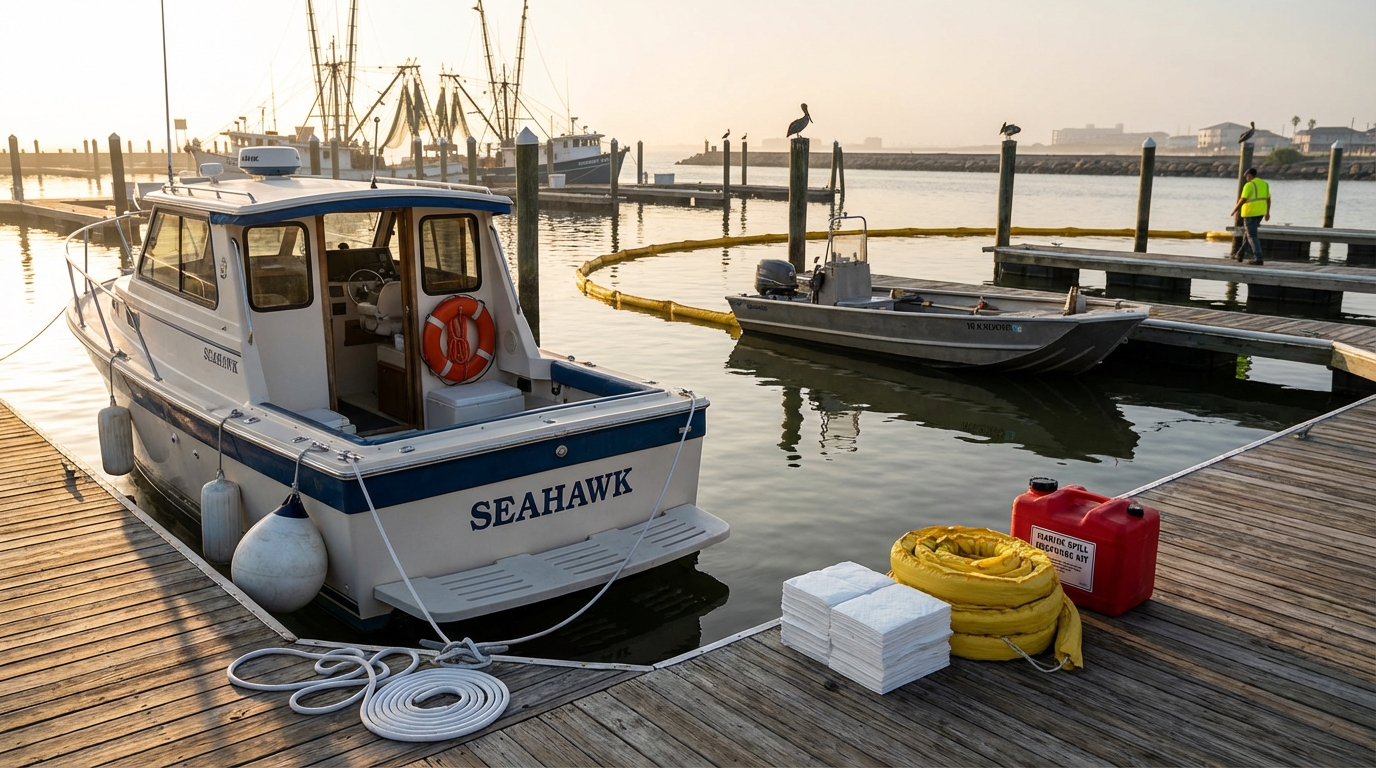
Introduction: Why Marinas Ask for Proof of Insurance
If you keep your boat in a slip in Galveston, chances are you’ve been asked to email a “dec page” before the marina will finalize your contract or renew your slip. That request can feel picky until you realize what’s at stake: a storm surge in West Bay, a dock fire, or a sinking at the pier can create expensive cleanup and legal headaches fast. Two coverages that frequently come up are wreckage removal and pollution liability. This article breaks down what those terms actually mean for Galveston slip holders, why marinas care, and what to check on your declarations page so you meet requirements without overpaying.
Context: What’s Behind Galveston Marina Insurance Requirements
Marinas in Galveston aren’t just being cautious; they’re managing real risk on a tight footprint where boats, fuel, docks, and people are close together. After a named storm, even a well-maintained vessel can break loose, sink at the slip, or take on water and leak fuel. When that happens, the marina may have to act immediately to keep channels open, protect neighboring boats, and satisfy environmental reporting and cleanup expectations. Most marinas also have their own insurance policies that require them to collect proof of slip-holder insurance, often with specific minimum liability limits and certain endorsements. That’s why you’ll see specific language like “wreck removal” or “pollution” on the marina’s contract or certificate request in Galveston and nearby areas like Texas City and Clear Lake.
Main Point 1: What Wreckage Removal Coverage Really Means
Wreckage removal coverage is about paying to remove your boat (or what’s left of it) if it sinks, capsizes, or becomes a hazard and has to be hauled out, cut apart, or moved. In a marina setting, this can be one of the biggest surprise costs because removal isn’t just “tow it to shore.” It can include divers, cranes, salvage crews, environmental containment booms, and disposal fees. In Galveston, where storms and strong currents can turn a damaged boat into an obstruction quickly, marinas want to know there’s a clear way to fund removal without a prolonged dispute. On many boat policies, wreckage removal is tied to hull coverage or included as part of physical damage, but the limit, conditions, and triggers can vary—so it’s worth confirming exactly how yours is written.
Main Point 2: What Pollution Liability Covers (And What It Doesn’t)
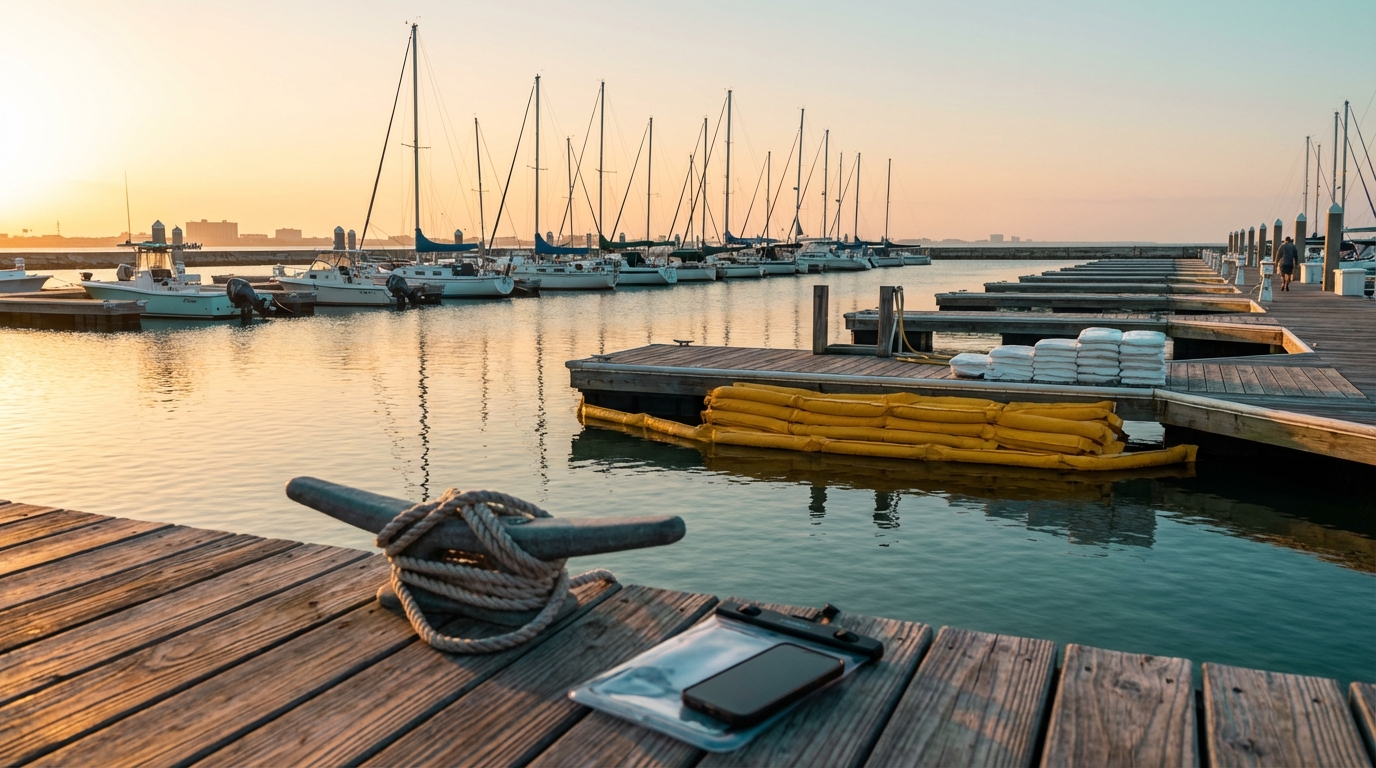
Pollution liability is designed to cover liability for sudden and accidental pollution events—think fuel or oil leaking into the water after a sinking, collision, or mechanical failure. In a tight marina environment, even a small spill can trigger cleanup costs, third-party property damage claims, and potential fines or required remediation steps. Galveston marinas often focus on this coverage because the spill can spread quickly around slips and bulkheads, impacting multiple boat owners and the marina’s property. However, not every policy treats pollution the same way. Some policies include a defined pollution limit, some include it within the overall liability limit, and others restrict coverage to specific scenarios. It’s also common to see exclusions for gradual seepage or poor maintenance. The key is making sure your policy’s pollution language matches what your marina contract expects.
Main Point 3: Declarations Page Checklist to Meet Marina Requirements
When a Galveston marina asks for proof of insurance, they usually want a declarations page or a certificate that shows specific items clearly. Start with the named insured and the boat description (make/model, length, and sometimes the HIN). Next, confirm the policy effective dates match your slip term. Then verify liability limits—many marinas require a minimum per occurrence limit, and some ask for higher limits for larger vessels. Look for any line item that references wreckage removal and confirm whether it’s included and at what limit. For pollution, confirm the presence of pollution liability wording and any separate limit. Finally, check deductibles (especially named storm deductibles) and any navigation or lay-up restrictions that could create a denial if the boat is kept in Galveston year-round. If anything is unclear, ask for the policy form language, not just the summary.
Local Relevance: Galveston-Specific Scenarios That Create Gaps
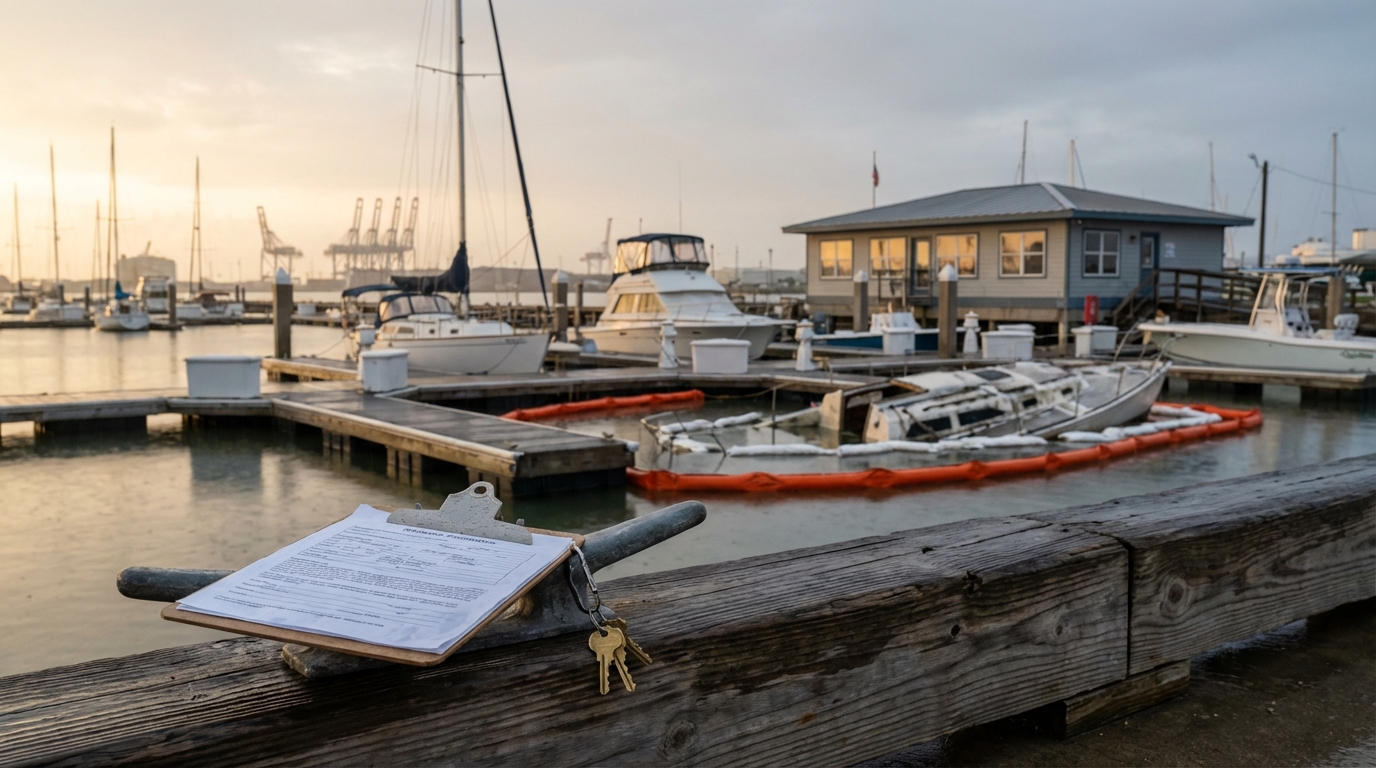
Galveston slip holders face a mix of exposures that can stress-test policy wording: named storms, tidal surge, and crowded marina basins during peak season. A common gap shows up when an owner carries liability only, but the marina’s contract expects wreckage removal tied to hull coverage—meaning there may be no clear coverage bucket to pay for salvage if the boat sinks at the slip. Another gap is a low pollution sublimit that doesn’t align with the marina’s minimum requirement, which can happen when the policy automatically assigns a small pollution limit unless you request more. These issues don’t just affect Galveston proper; they come up for boaters commuting from League City, Dickinson, La Marque, and Friendswood who keep their vessels closer to the water in Galveston or Clear Lake. Matching the policy to where and how the boat is actually used is what prevents unpleasant surprises.
Key Takeaways to Confirm Before You Send Proof to the Marina
- Liability limit meets the marina minimum: Verify the per-occurrence amount shown on the declarations page and confirm it matches the slip contract requirement.
- Wreckage removal is clearly included: Confirm whether it’s part of hull coverage, a separate coverage line, or an endorsement, and ask what triggers it (sinking, stranding, hazard).
- Pollution liability wording and limit: Look for a separate pollution limit or a clear statement that pollution is included in liability, and verify any exclusions for gradual leaks.
- Additional insured or certificate holder details: If the marina requests specific wording, make sure the name and address are correct and the endorsement is issued when required.
- Named storm deductible and haul-out expectations: In Galveston, check the named storm deductible and whether your policy has any storm plan or lay-up requirements that could affect a claim.
- Navigation territory matches your boating: Confirm you’re covered for Galveston Bay, nearshore Gulf use if applicable, and any trips toward Clear Lake or Texas City.

Next Steps: How to Avoid Last-Minute Problems With Your Slip Agreement
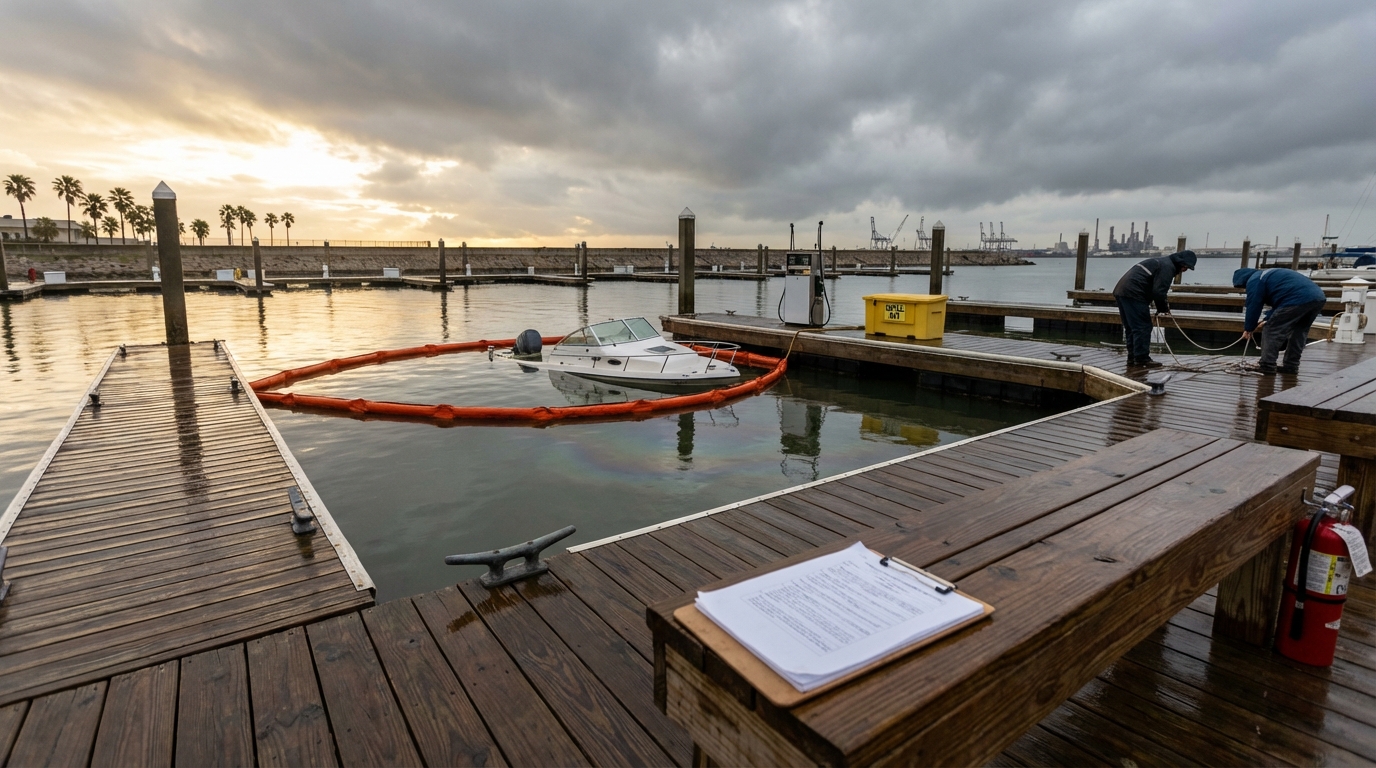
If your marina in Galveston is requesting higher limits or specific proof of wreckage removal and pollution liability, don’t wait until the day your renewal is due. Start by comparing the marina’s insurance requirements line-by-line against your declarations page. If something doesn’t match, ask your agent whether it’s an endorsement change, a limit increase, or a coverage restructure (for example, adding hull coverage so wreck removal is properly addressed). It’s also smart to confirm how claims would be handled in a real marina scenario: who authorizes salvage, whether emergency mitigation is covered, and what documentation you’d need. The O'Donohoe Agency works with Galveston-area boaters and can help you align your policy to marina requirements in Galveston, Texas City, League City, Dickinson, La Marque, Santa Fe, Friendswood, and Clear Lake without adding unnecessary coverage.
Need Proof of Insurance for a Galveston Marina?
Get help reviewing your declarations page, limits, and endorsements so your policy meets your marina’s wreckage removal and pollution liability requirements.
Get My Quote