

Introduction: Why This Question Comes Up In Galveston
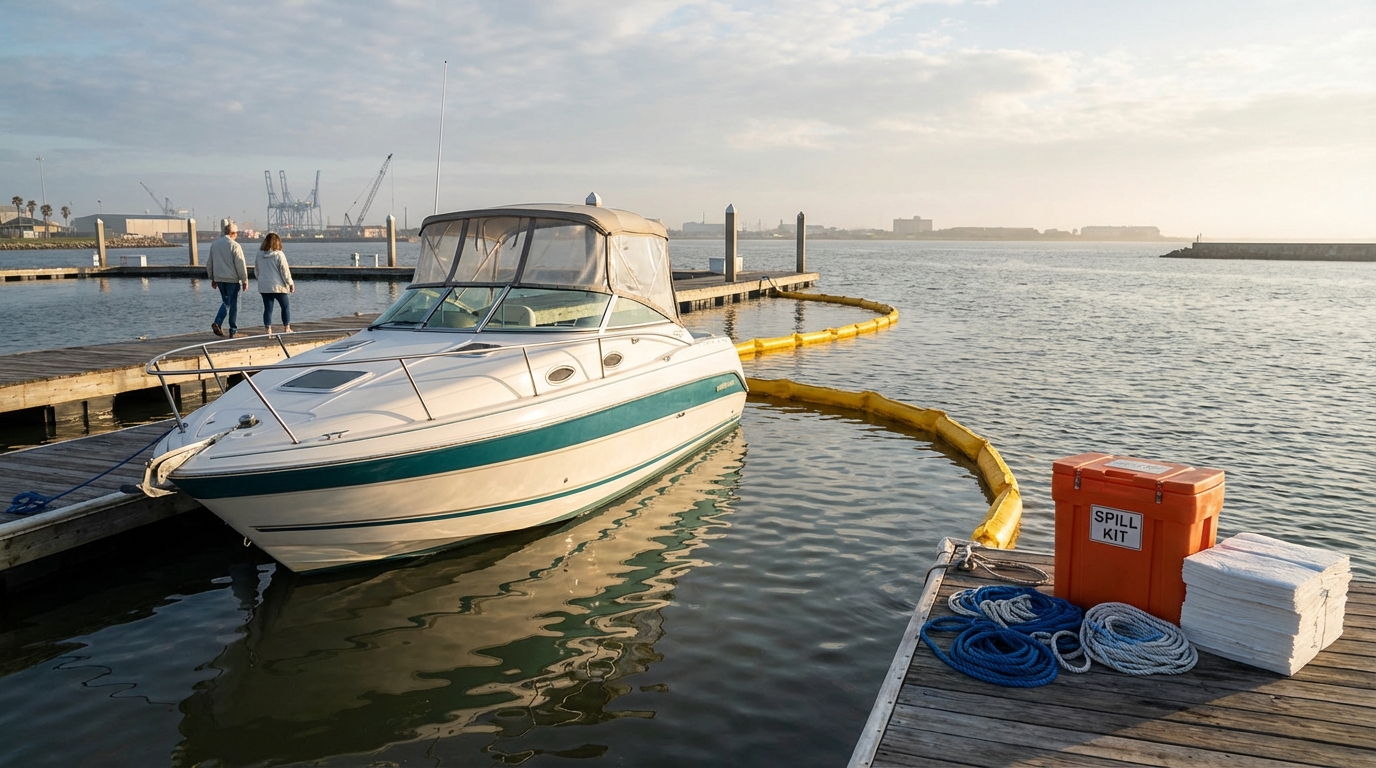
If you boat around Galveston Bay long enough, you’ll hear a version of this question at a marina dock or boat ramp: “Does my liability cover a spill?” The confusion makes sense. Standard boat liability is built to protect you if you injure someone or damage their property, but pollution liability is designed for a different kind of loss: cleanup, containment, and environmental damage from a discharge of fuel, oil, or other pollutants. In Galveston, where boats often refuel at marinas and run in busy channels, understanding the difference can prevent a small incident from turning into a major out-of-pocket bill.
Context: What “Liability” Means On A Boat Policy
Boat insurance uses the word liability in more than one way, and that’s where many Galveston boaters get tripped up. Standard liability is typically about third-party bodily injury and property damage, like hitting another vessel, damaging a dock, or injuring a passenger on a tube. Pollution liability, when offered, is typically tied to legal obligations to clean up and remediate after a spill or discharge. A key point: cleanup costs can be assessed even when nobody is “injured” and even when the spill was accidental. Another key point: some policies treat pollution as a separate coverage part, separate limit, or a limited endorsement rather than something included in the base liability limit.
Main Point 1: Standard Boat Liability Usually Focuses On Injury And Property Damage
Standard boat liability is commonly the coverage that responds when your boat causes harm to other people or their property. In practical Galveston terms, think of a low-speed collision in a marina fairway, scraping another boat while docking, or damaging a piling when wind and current push you off line. This coverage is often written with a single limit (for example, a per-occurrence amount) and may include legal defense if someone sues you. What it often does not do well is pay for environmental response that isn’t tied to a traditional injury/property damage claim. If a fuel sheen appears and the marina or authorities require containment and cleanup, that can be treated as a different bucket of responsibility.
Main Point 2: Pollution Liability Is About Spill Cleanup Triggers, Not Just Accidents
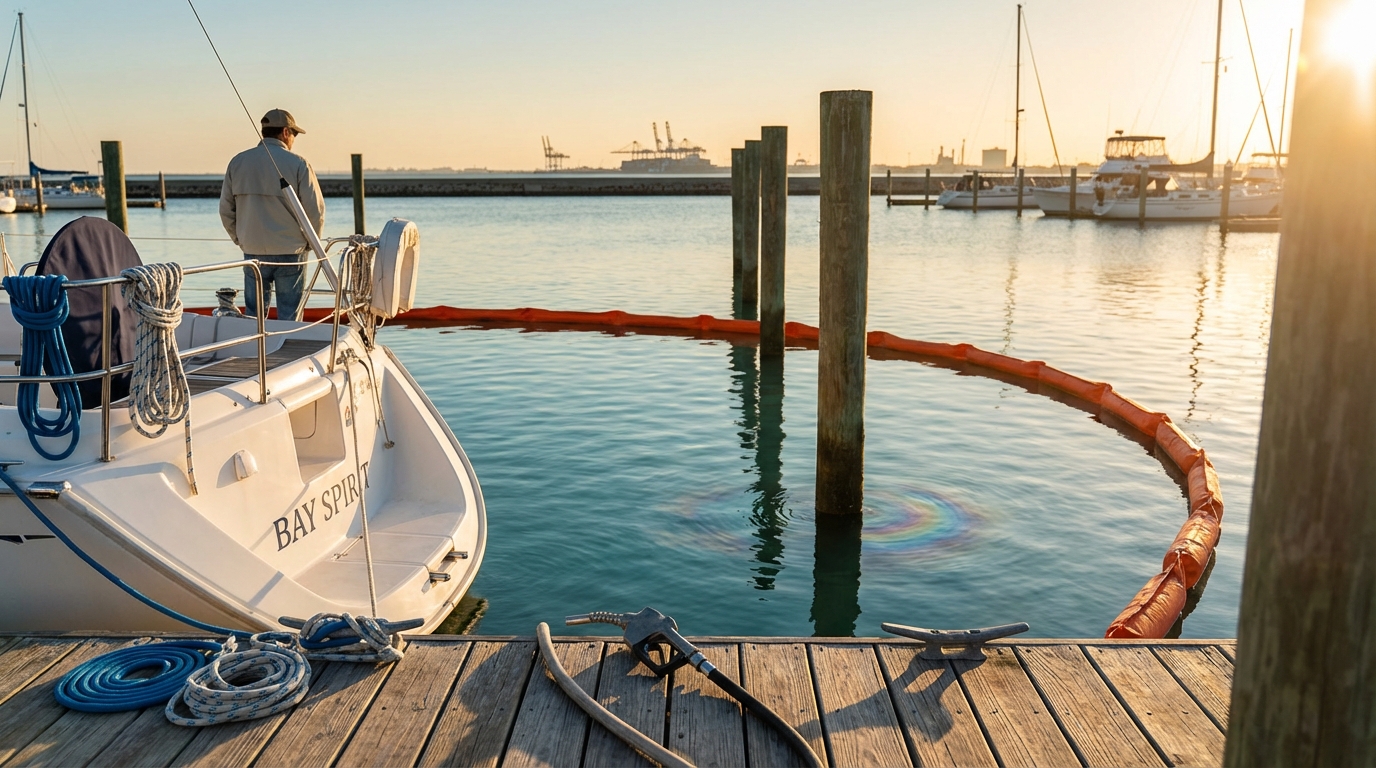
Pollution liability is generally intended to respond to costs and claims arising from a discharge of pollutants, such as gasoline, diesel, engine oil, or other contaminants. The trigger can be as simple as an accidental spill during fueling, a cracked fuel line, a failed bilge component, or a tank vent issue that releases fuel into the water. In Galveston, cleanup can involve absorbent booms, specialized contractors, and marina requirements to act immediately. Many policies that offer pollution coverage do so with a separate limit that can be much lower than your standard liability limit, and they may have strict conditions about prompt reporting and mitigation. The fine print matters because “pollution” is frequently excluded under general liability wording unless specifically added back.
Main Point 3: Separate Limits, Exclusions, And “Sudden And Accidental” Language
The biggest practical difference is often the limit and the wording. You might have a strong standard liability limit for bodily injury and property damage, but only a modest amount available for pollution response, or none at all. Some policies provide limited pollution coverage only if the discharge is “sudden and accidental,” which can create disputes if a leak happens slowly over time or is discovered after the fact. Others exclude pollution entirely unless you buy an endorsement, and some marinas may ask for proof of coverage or specific limits. For Galveston boaters who keep a vessel in a slip, the risk isn’t just a big crash; it’s a small leak that becomes a cleanup event, plus potential claims for damage to docks, neighboring boats, or sensitive areas.
Local Relevance: Why Galveston-Area Boaters Should Pay Extra Attention
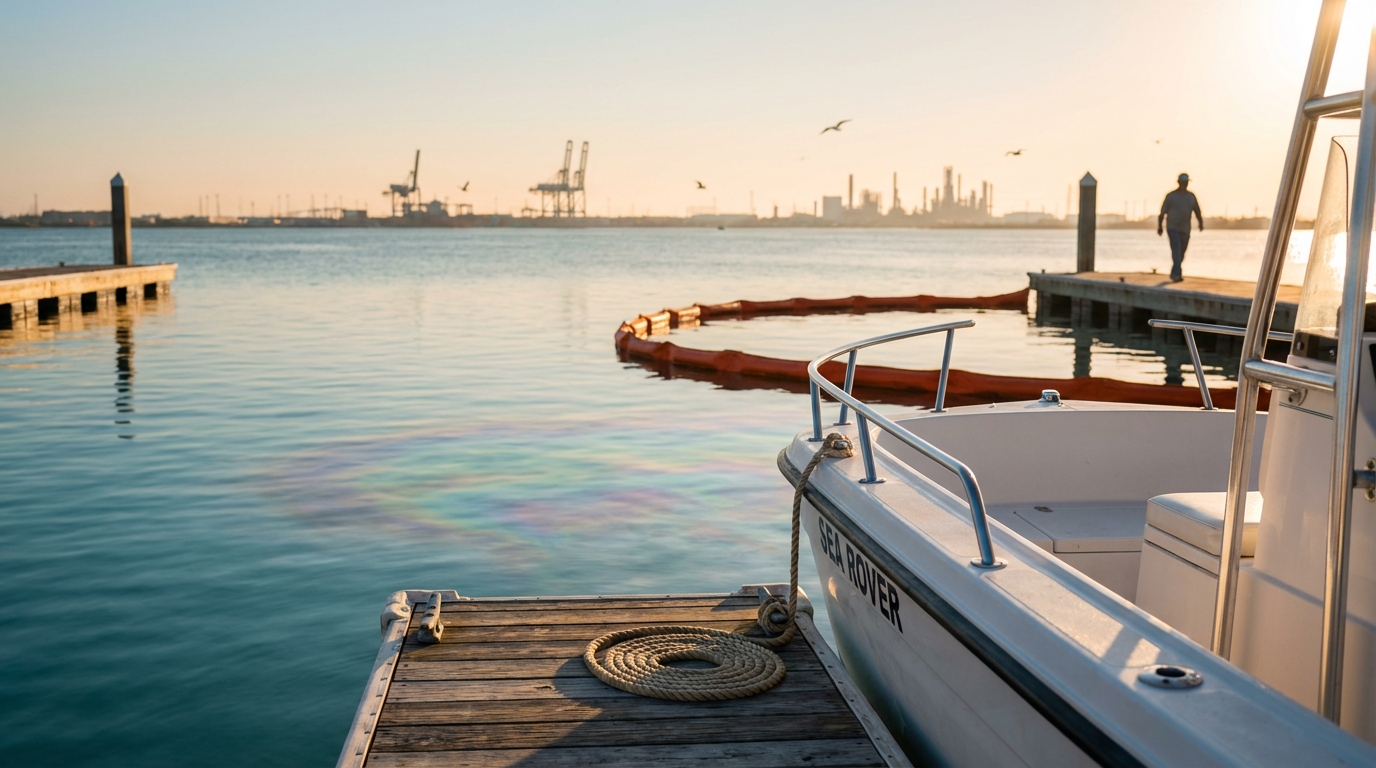
Galveston boating often means marinas, busy weekends, changing tides, and a mix of experienced and newer operators sharing tight spaces. That combination increases the chance of minor incidents that still create major financial consequences. A spill doesn’t have to be dramatic to be expensive; a small discharge in a marina basin can trigger cleanup expectations from the marina operator and potentially additional scrutiny if it spreads. If you trailer out of Galveston and also spend time around Texas City, League City, Dickinson, La Marque, Santa Fe, Friendswood, or Clear Lake, your risk profile changes with different fueling setups, slip arrangements, and traffic patterns. Local policy reviews also help you match coverage to how you actually use the boat: fishing runs, sandbar days, overnighting, or keeping it in the water year-round.
Coverage Review Checklist: What To Confirm Before You Rely On Your Policy
- Is pollution liability included, excluded, or added by endorsement? Ask for the exact wording so you’re not guessing after a spill.
- What is the pollution limit, and is it separate from your standard liability limit? Many policies do not share one combined bucket of coverage.
- What triggers coverage: “sudden and accidental” only, or broader language? Clarify how slow leaks, bilge discharges, or discovered-after-the-fact spills are treated.
- Does the policy pay for cleanup and containment costs, or only third-party claims? Cleanup is often the first bill that arrives.
- Are there reporting requirements or approved vendor rules? Some policies expect immediate notice and documented mitigation steps.
- Any exclusions tied to fueling, maintenance, wear-and-tear, or improper storage? A claim can hinge on whether the loss is considered accidental versus maintenance-related.
- Do marina or lender requirements specify a pollution limit or certificate wording? Confirm you can meet Galveston-area marina expectations before renewal.

Next Steps: Questions To Ask Your Agent In Galveston
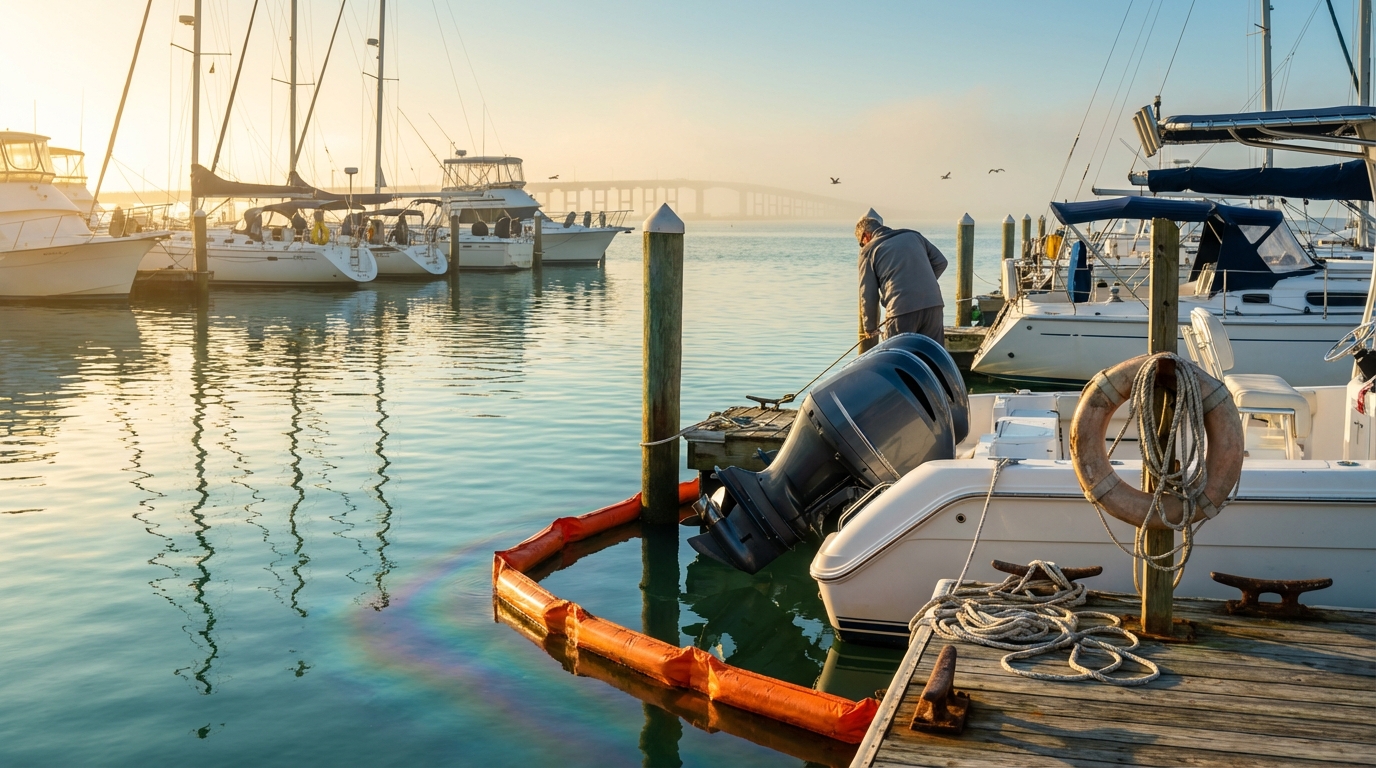
A good next step is a quick coverage review focused on how you store, fuel, and operate your boat in Galveston. Ask your agent to walk you through the declarations page and the exclusions section specifically for pollution, then confirm the limit and trigger language in plain terms. Helpful questions include: If I spill fuel during fueling, what does the policy pay first? If a slow leak is discovered in my slip, is that treated differently? Is cleanup coverage capped at a separate limit? Do I need an endorsement to meet marina requirements? The O'Donohoe Agency can help you compare options, explain tradeoffs, and align your liability and pollution protections with the way you actually boat around Galveston and nearby communities.
Want A Quick Pollution Coverage Check?
If you’re not sure whether your current boat policy would respond to spill cleanup in Galveston, we can review your limits and exclusions and help you tighten up gaps before the season gets busy.
Get My Quote