

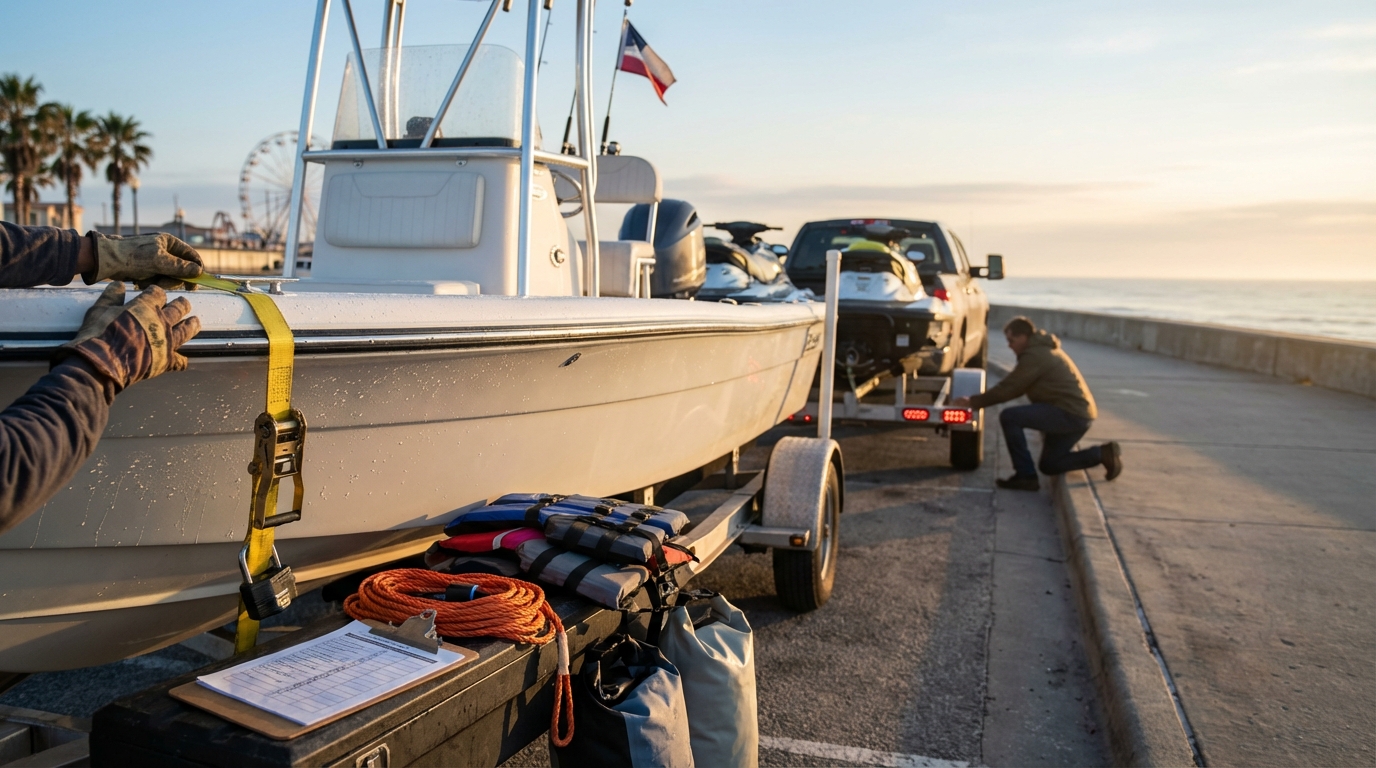
Introduction: Why Water Sports Coverage Matters Before You Tow
Galveston boat days often turn into tubing, kneeboarding, or pulling a wakeboard once the weather cooperates and the water looks inviting. The catch is that towing a person changes the whole safety and liability picture in seconds: higher speeds, tighter turns, more people moving around the boat, and a greater chance of collision or injury. Many boaters assume “I have boat insurance, so I’m good,” but water sports can trigger special conditions, limits, or exclusions depending on the policy. This article breaks down what water sports coverage may include in Galveston, what to check before you tow, and the exact questions to ask your agent so there are no surprises later.
Context And Background: The Real Risks Behind Tubing And Towing
Towing claims tend to be expensive because they often involve people, not just property. A rider can suffer sprains, broken bones, or head/neck injuries, and passengers in the boat can be hurt during sharp turns or when the tow line snaps back. In and around Galveston, conditions can shift quickly with wind and chop, and busy areas can add congestion and distraction. Even when everyone is careful, a moment of miscommunication between the driver and spotter can lead to a rider crossing a wake at the wrong angle or being pulled too close to another vessel. That’s why it’s important to understand which parts of your boat policy respond to injuries, liability, and damaged gear when water sports are involved.
Main Point 1: What “Water Sports Coverage” May Include (And What It Often Doesn’t)
Water sports coverage isn’t always a single checkbox; it’s usually a combination of coverages and policy definitions. Start with liability coverage, which may help if you’re legally responsible for bodily injury or property damage to others, including an injured rider or another boater. Medical payments coverage (if included) may help with smaller medical bills regardless of fault, which can be useful when a friend gets hurt. Some policies may cover damage to certain equipment, but towables, boards, ropes, and personal gear can be limited, excluded, or treated as personal property with low sub-limits. Also check how your policy defines “insured persons” and “permitted operators,” because letting an inexperienced friend drive while you spot can create a coverage problem if the policy restricts who can operate the boat.
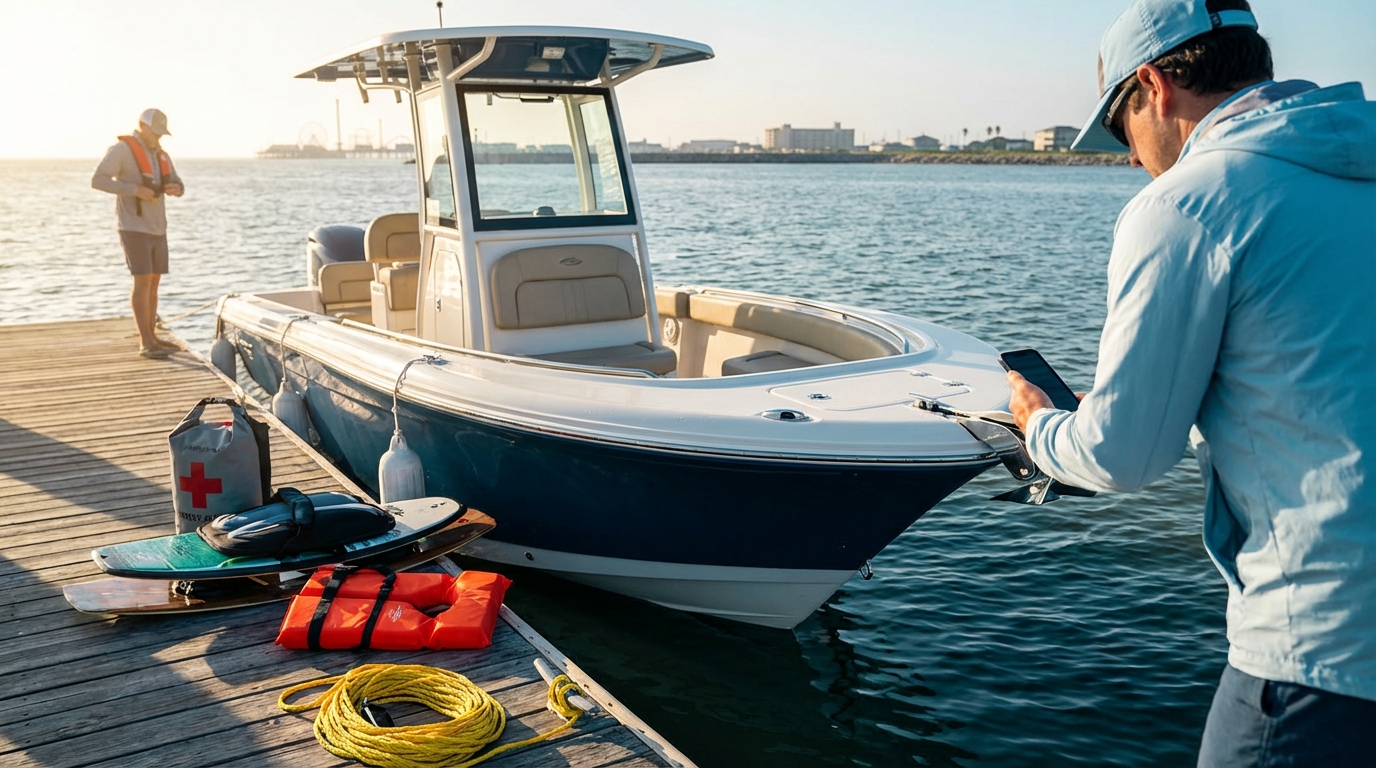
Main Point 2: Liability, Passenger Injuries, And “Friend On A Tube” Scenarios
A common Galveston scenario is pulling a tube with friends or family where no one thinks of it as a formal “activity.” If the rider is injured, the question becomes: who pays, and under what coverage? Liability may respond if you’re found negligent, but legal defense costs can matter just as much as the settlement. Medical payments coverage may help with immediate bills, but it’s not a substitute for liability limits. Another overlooked area is coverage for passengers in the boat who get hurt when the driver accelerates abruptly or hits chop. If you’re towing near Texas City, Clear Lake, or other busier waterways, the chance of a near-miss or collision can rise, and then you’re dealing with both a third-party claim and potentially damage to your own boat under physical damage coverage (comprehensive/collision, if carried).
Main Point 3: Equipment, Tow Lines, And Damage To Others’ Property
Beyond injuries, towing can create property damage claims that surprise boaters. A tow rope can snap and recoil into the boat or strike someone nearby; a tube can collide with a dock, another vessel, or a swimmer; or a rider can lose a board that becomes a hazard. Ask how your policy treats damage caused by the towed person or towed device, because some policies view towing as an increased hazard and apply special wording. Also confirm whether your policy covers damage to borrowed gear. If you’re using a friend’s expensive wakeboard or a rented towable, you don’t want to assume it’s covered like part of the boat. It’s smart to inventory your key gear, keep receipts when possible, and understand any sub-limits for accessories, personal effects, or “sports equipment” so you can decide whether higher limits or endorsements make sense.
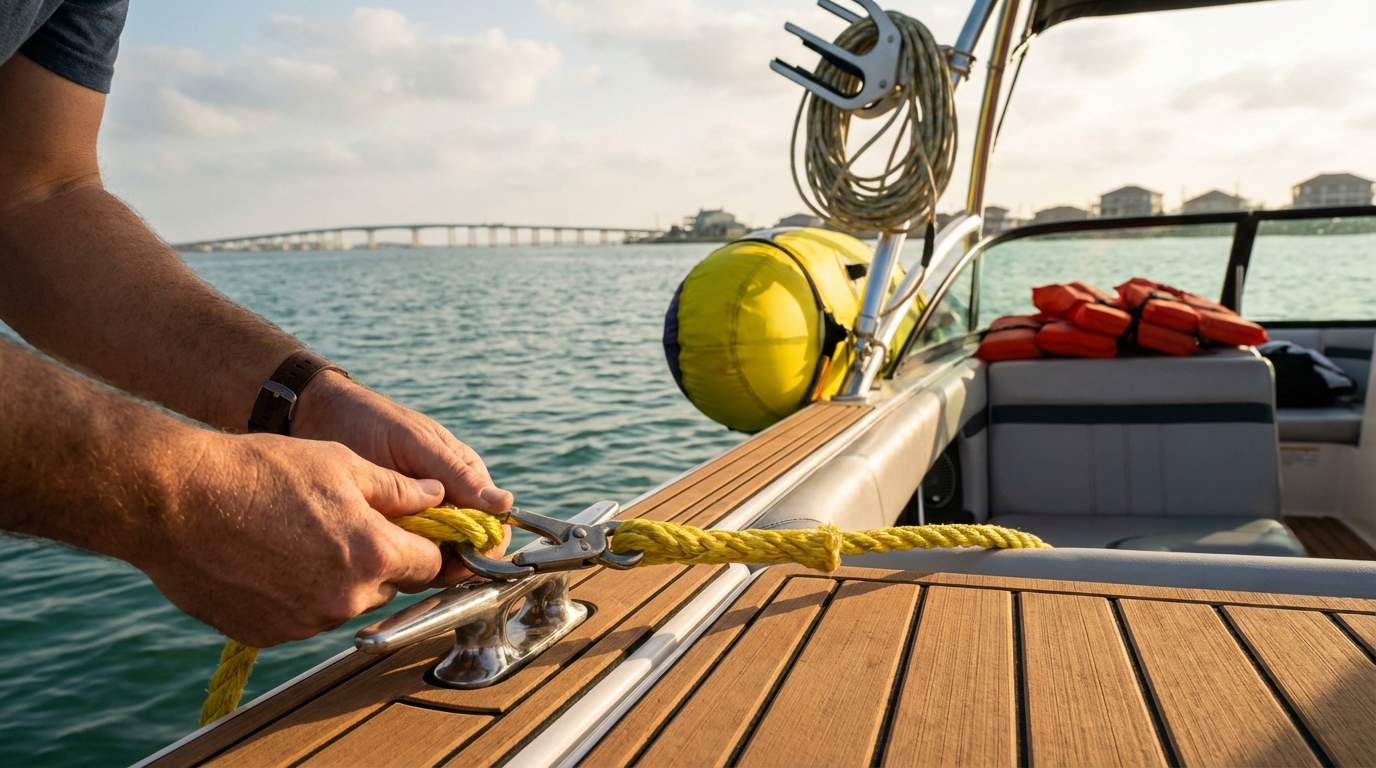
Local Relevance: Towing Considerations Around Galveston And Nearby Waters
Galveston boating often means a mix of open water, channels, and areas where traffic patterns change quickly, especially on weekends and during events. Wind-driven chop can make a tube bounce unpredictably, and visibility can be impacted by glare and boat wakes. If you’re heading toward Clear Lake or running near Texas City, you may encounter tighter spaces and more cross-traffic, which affects how safely you can swing a rider wide. The safest towing plan is to choose a clear stretch, set a conservative speed for the rider’s skill level, and keep a wide buffer from other boats, docks, and swimmers. From an insurance standpoint, local conditions matter because they influence how claims happen: collisions, prop-related injuries, and “too close to another vessel” incidents are far more likely in congested areas.
Pre-Tow Checklist For Galveston Boaters
- Confirm permitted operator and experience: Make sure the driver is allowed under the policy and comfortable maintaining speed, scanning traffic, and making smooth turns.
- Use a dedicated spotter: One person watches the rider full-time and communicates clearly with the driver using agreed hand signals.
- Inspect tow equipment: Check rope condition, attachment points, tow harness/tower hardware, and confirm the rope length is appropriate for the boat and conditions.
- Verify safety gear: Properly sized life jackets for every rider, a throwable device on board, and a plan for quick pickup if the rider falls.
- Choose the right location and spacing: Avoid congested stretches and keep a wide safety perimeter from other vessels, docks, and swimmers.
- Set rules before starting: One rider at a time unless the tube is designed for multiple riders, no risky “whip” turns, and clear stop signals.
- Do a slow first pass: Start with a gentle pull to confirm the rider is stable and the spotter-driver communication is working.

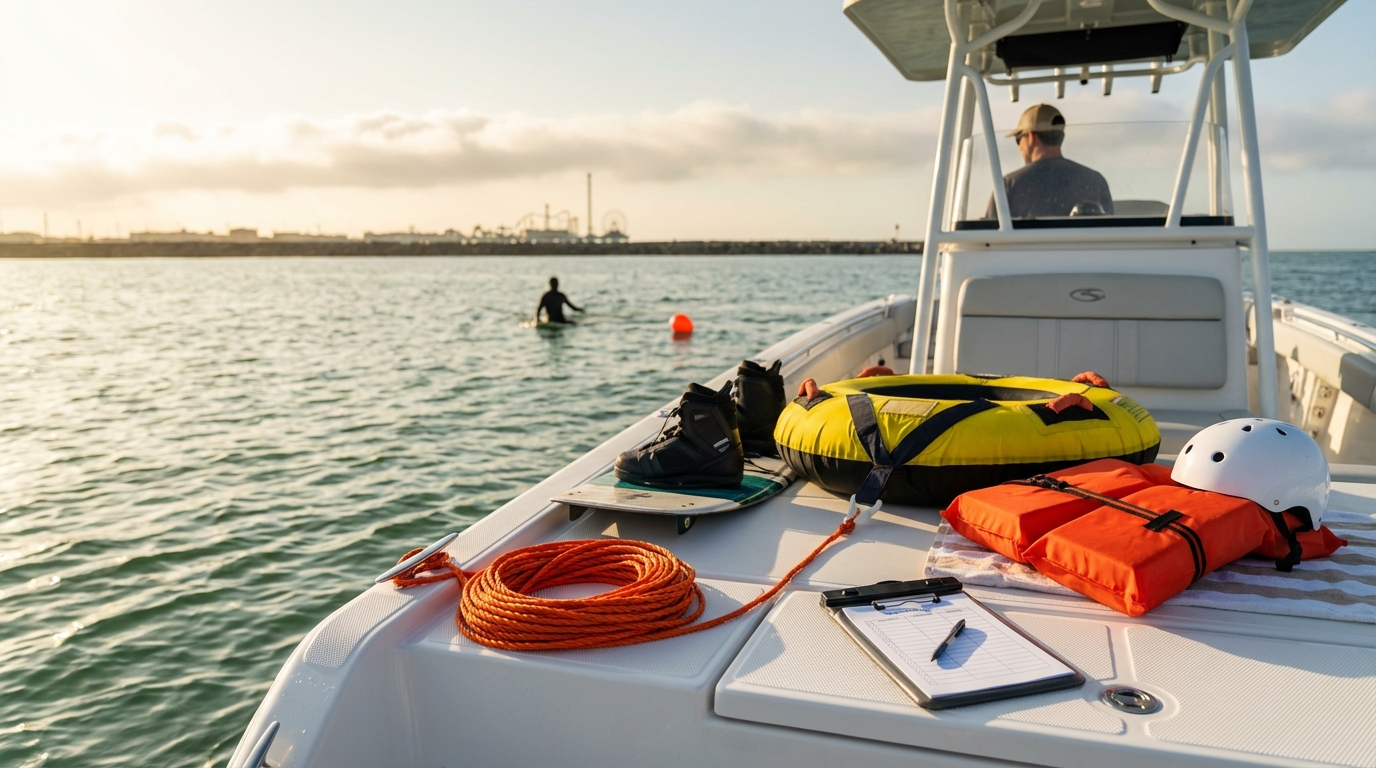
Next Steps: Policy Questions To Ask Before You Tow
Before your next Galveston outing, take five minutes to confirm the policy details that matter for towing. Ask: Does my liability coverage apply to injuries to a person being towed? Are there exclusions for certain activities, speeds, or types of towables? Do I have medical payments coverage, and what is the limit? Who is considered an insured operator, and do you require named operators or a minimum experience level? Are wakeboards, tubes, ropes, and other gear covered, and are there sub-limits or deductible differences? What happens if I borrow or rent equipment? Finally, verify your liability limit is realistic for today’s medical costs and legal expenses. The O'Donohoe Agency can help Galveston boaters compare options, explain endorsements in plain language, and align limits with how you actually use your boat.
Get Your Water Sports Coverage Checked Before Your Next Tow Day
Tell us what you tow (tube, wakeboard, skis), who usually drives, and where you boat around Galveston. We’ll help you confirm the right liability limits, injury protection, and gear coverage for your setup.
Get My Quote