

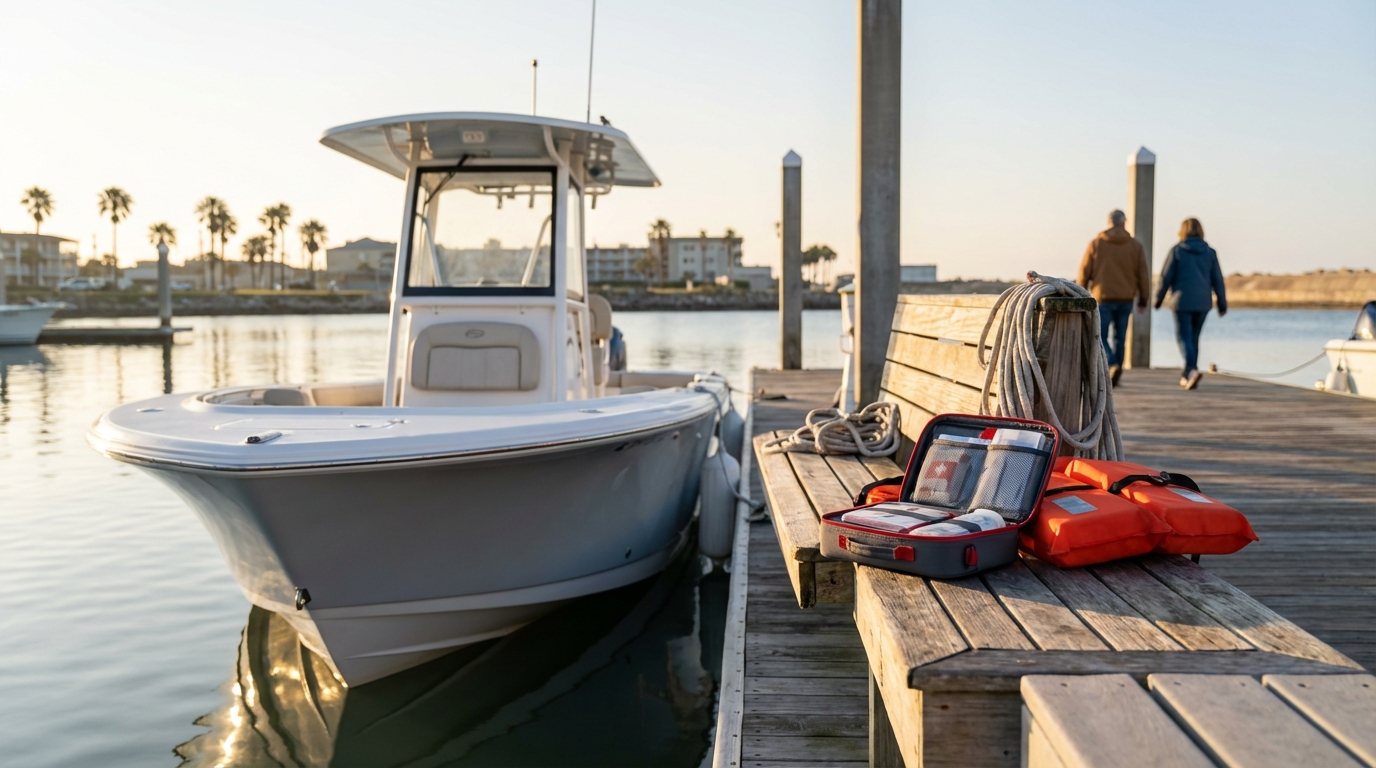
Medical Payments (MedPay) On Boat Insurance: The Plain-English Definition
Medical Payments coverage, often called MedPay, is a part of boat insurance that can reimburse medical expenses when someone is injured in a boating-related incident. The big reason Galveston boaters like it is speed and simplicity: MedPay is typically designed to pay regardless of who caused the accident, up to the limit you choose. Think of it as a first layer of help for smaller-to-midsize medical bills after a slip on a wet deck, a fall while boarding at a marina, or a tubing mishap on Galveston Bay. It’s not a replacement for health insurance and it’s not the same thing as liability coverage, but it can reduce out-of-pocket costs and keep minor injuries from turning into major financial headaches.
Why MedPay Matters For Galveston Bay Boating
Boating around Galveston brings a mix of conditions that can lead to common injury claims: choppy afternoon water, busy channels, slick docks, and lots of guests who don’t boat every weekend. Even careful operators see accidents happen when someone steps wrong while loading at a marina, catches a wake near Clear Lake, or gets bumped during a quick stop at a sandbar. MedPay matters because many of these incidents don’t feel like “lawsuit” situations, but they still create real bills: urgent care visits, X-rays, stitches, or follow-up appointments. In practice, MedPay can help you take care of passengers quickly, potentially reducing friction after an accident and supporting a smoother claim process when everyone just wants to get treated and move forward.
Who MedPay Covers: Operator, Passengers, And Common Gray Areas
Most MedPay options are intended to cover people on the boat who are injured because of a boating accident, commonly including the operator and passengers. That said, the exact definition of “insured persons” can vary by carrier and policy form, which is why it’s important to verify the wording for your specific boat and how you use it in Galveston. For example, some policies may treat the named insured differently than guests, and some may have special handling for paid crew, anyone being towed, or injuries that occur while boarding or disembarking. If you frequently host friends from Texas City or League City, or you take family out who aren’t comfortable on docks, it’s worth confirming whether MedPay applies to injuries on the dock, on the swim platform, or only once everyone is on board.
What MedPay Typically Pays For (With Realistic Examples)
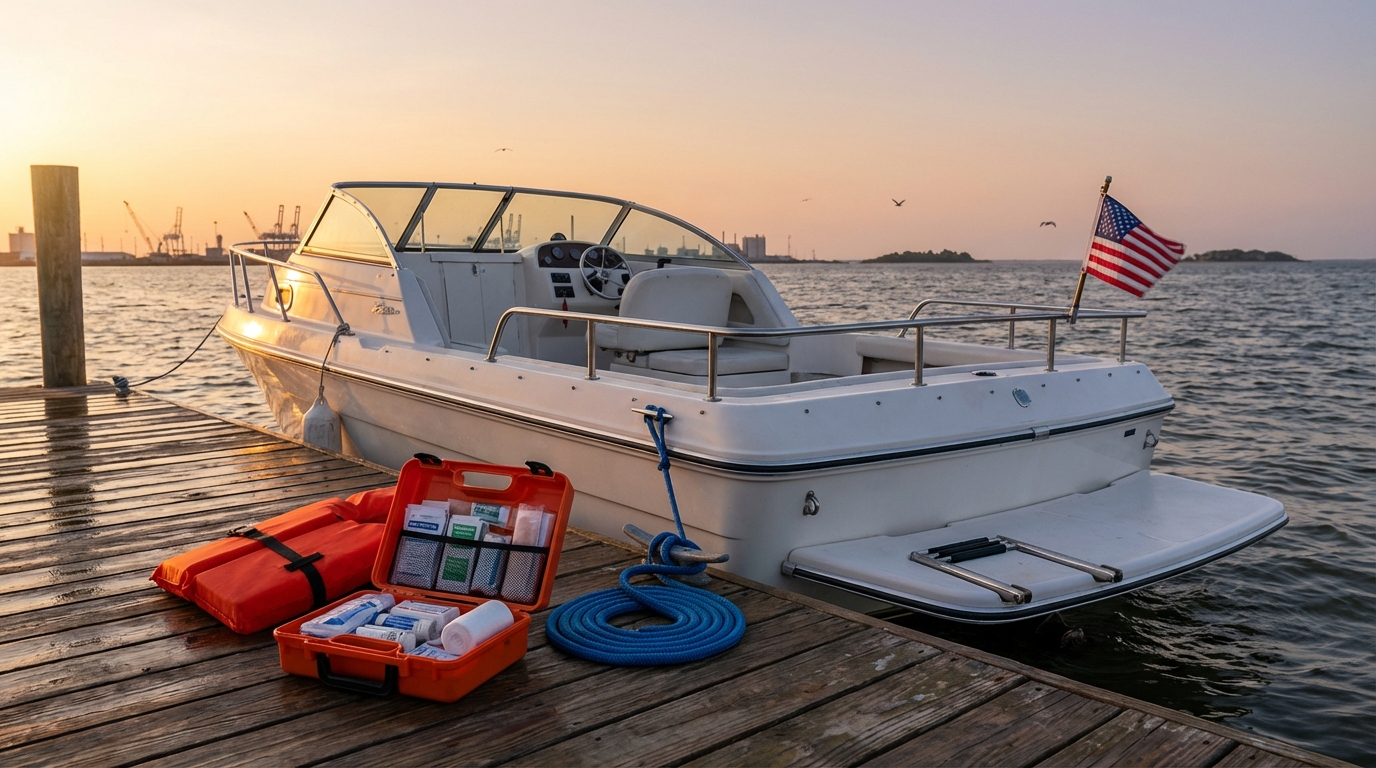
MedPay is usually focused on reasonable and necessary medical expenses tied to the injury. Common paid items can include ambulance transport, ER or urgent care treatment, doctor visits, imaging like X-rays, stitches, and sometimes follow-up care within the policy’s guidelines. Picture a guest who slips on a wet deck after a day on the water near Galveston Island and needs an urgent care visit, or someone who takes a hard bump when the boat hits an unexpected wake and ends up needing a shoulder X-ray. Another common scenario is a tubing incident where a rider gets bruised ribs and needs evaluation. MedPay can help cover those bills up to your selected limit, which can be especially helpful if the injured person has a high-deductible health plan.
What MedPay Usually Does Not Cover: Common Exclusions To Know
MedPay is not a blank check, and exclusions matter. Many policies won’t cover injuries tied to intentional acts, illegal operation, or certain high-risk activities outside the policy’s accepted use. There may be exclusions related to racing, organized speed events, or operating while impaired. Some policies limit or exclude coverage for certain water sports, injuries to paid crew, or situations involving a charter or business use if the boat isn’t insured for that purpose. MedPay also typically won’t pay for property damage, lost wages, pain and suffering, or long-term disability. Another practical limitation is the limit itself: if you choose $1,000 or $2,000, that can disappear quickly with an ER visit in the Galveston area. Reading the exclusions and matching coverage to how you actually boat is the best way to avoid surprises.
MedPay Vs. Liability Vs. Health Insurance: How They Work Together
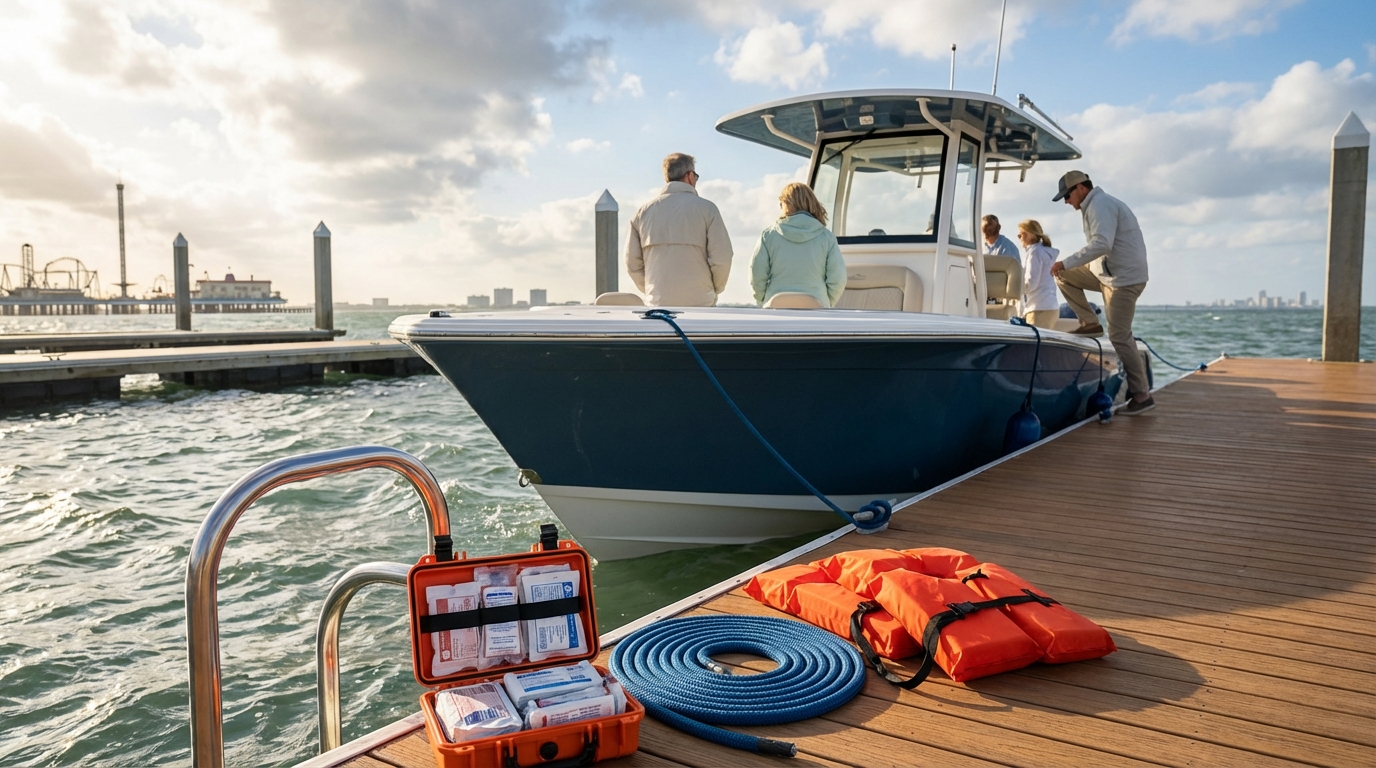
A helpful way to think about these three is purpose and timing. MedPay is designed to pay medical bills quickly up to a small-to-moderate limit, often without determining fault. Liability coverage is different: it’s meant to protect you if you are legally responsible for someone else’s injury or property damage, and it can involve investigation, negotiations, and potentially a lawsuit. Health insurance is the injured person’s own coverage, which may have deductibles, co-pays, network rules, and subrogation rights. In a Galveston claim, MedPay might reimburse immediate medical expenses for a passenger while liability questions are still being sorted out. It can also reduce the chance that a guest feels they must pursue a liability claim just to get their bills handled.
Galveston-Specific Claim Scenarios: What Likely Gets Paid
Scenario 1: You’re docking after a day near the Seawall and a friend from Dickinson slips while stepping onto the dock, cutting their hand and needing stitches. MedPay is often a good fit because it’s a straightforward medical expense tied to boarding or exiting. Scenario 2: A passenger from Friendswood gets tossed when the boat hits a wake in a busy channel and needs an ER evaluation and imaging. MedPay may help with the immediate bills up to your limit. Scenario 3: A tubing rider near Galveston Bay gets a neck strain and needs urgent care. MedPay may apply, but the details can depend on how your policy treats towing activities and safety requirements. These are the kinds of real-life, not-necessarily-lawsuit situations where MedPay can be most valuable.
Key Takeaways For Choosing And Using MedPay In Galveston
- Pick a limit that matches real medical costs: In practice, $1,000 may be too low for an ER visit; consider higher limits if you regularly host guests.
- Confirm who qualifies as covered: Ask whether MedPay applies to the operator, family members, guests, and injuries while boarding at marinas around Galveston.
- Understand the difference from liability: MedPay can pay regardless of fault, while liability is about legal responsibility and can take longer.
- Match coverage to your activities: If you tow tubers or use a PWC, verify any restrictions or exclusions that could affect an injury claim.
- Report incidents promptly and document basics: Date, location on the water, what happened, and any medical providers visited can help the claim go smoother.

Next Steps: Picking The Right MedPay Limit And Reviewing Your Policy
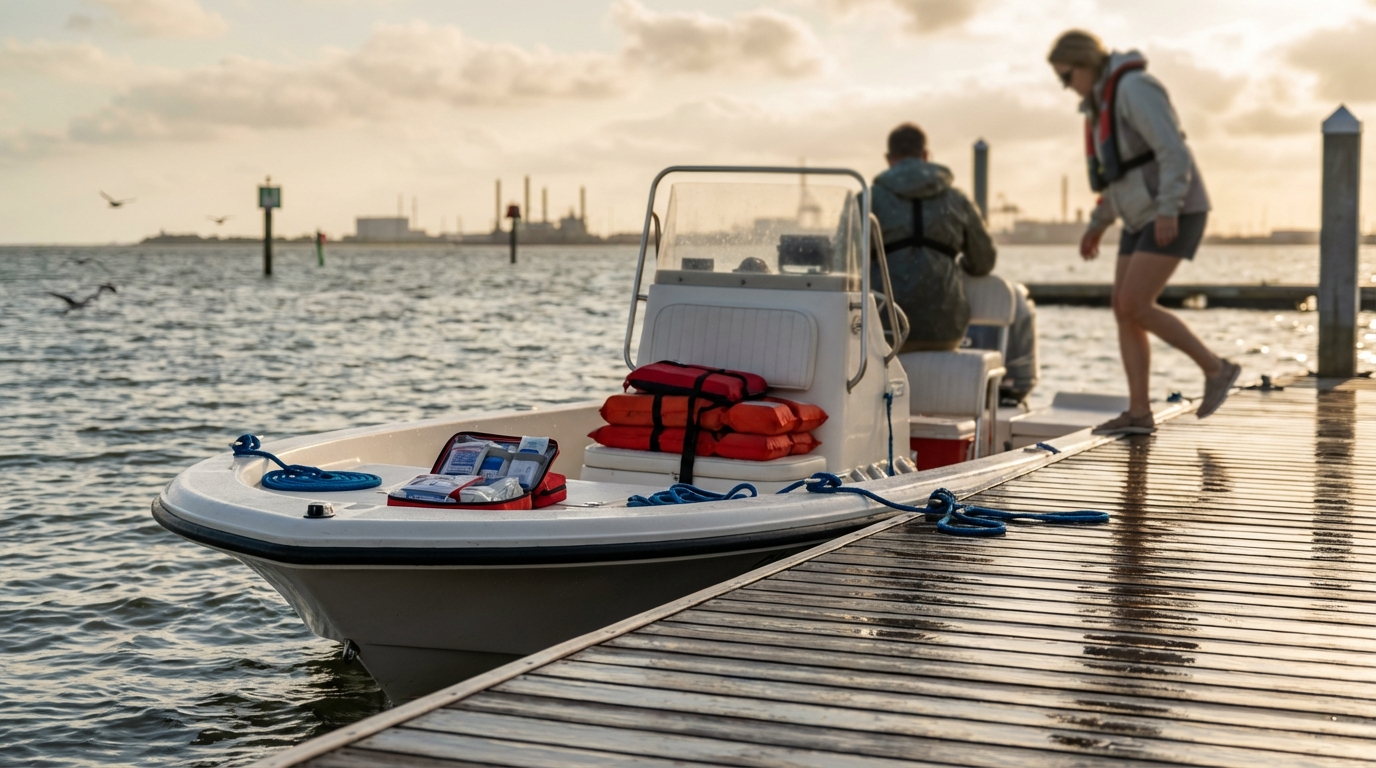
Start by thinking about how you boat in Galveston: How many passengers do you typically carry, how often do you host out-of-town guests, and do you do tow sports? If your boat is a “family and friends” hub for weekends with stops near Clear Lake or outings with visitors from La Marque and Santa Fe, a higher MedPay limit may make sense because minor injuries are simply more likely with more people aboard. Next, compare MedPay to your liability limits and your comfort level with out-of-pocket costs. Finally, review the policy wording for covered persons and exclusions so you’re not relying on assumptions. The O'Donohoe Agency can walk through options with you and help tailor MedPay and liability choices to how you actually use your boat around Galveston Bay.
Get Help Setting MedPay The Right Way For Galveston Bay
If you want MedPay that fits your boat, your passengers, and how you use the water around Galveston, we can review your current policy and quote options side by side.
Get My Quote