

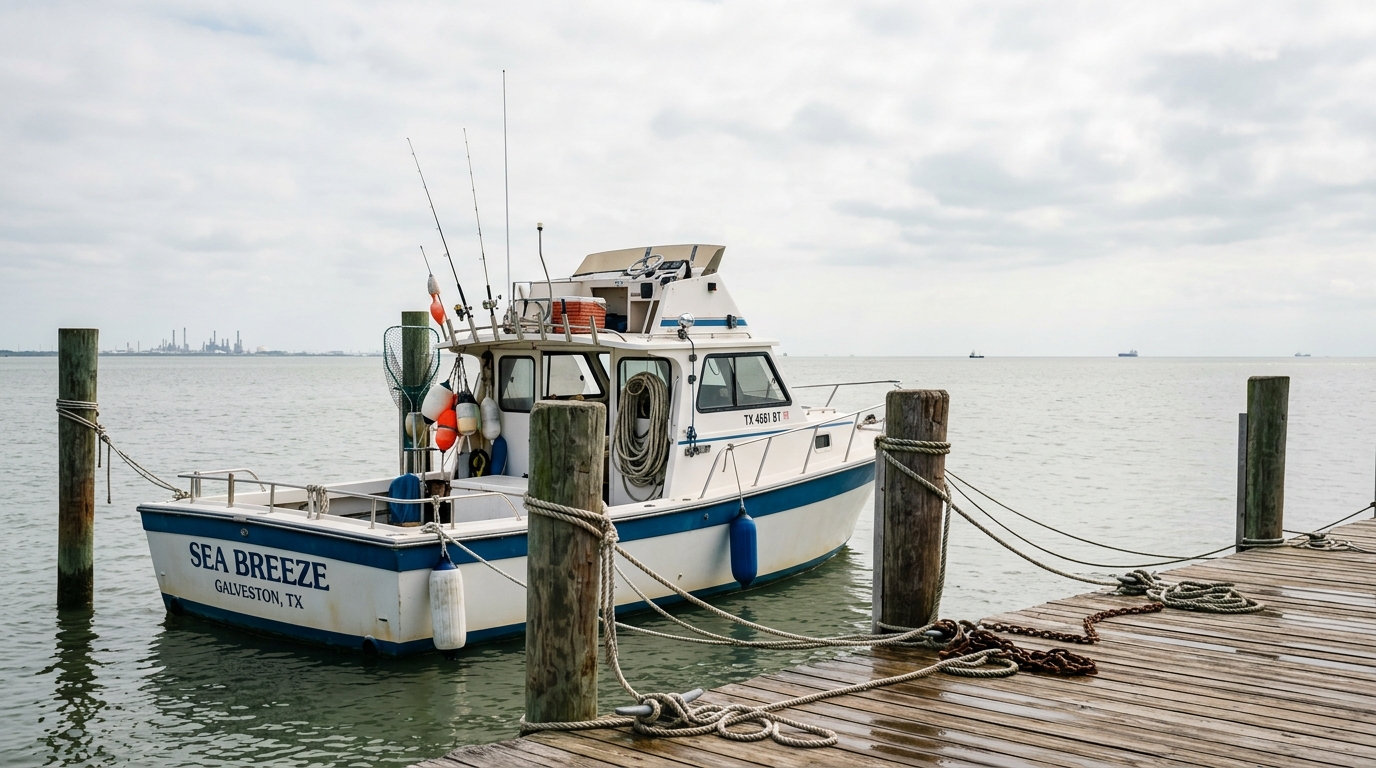
The Moment of Truth: What Happens After a Total Loss in Galveston
Picture this: a hurricane barrels through the Gulf, and your boat—a beautiful 2-year-old center console you invested $60,000 in—is found battered beyond repair at the Galveston Yacht Basin. The insurance adjuster declares it a total loss. This is the moment your policy language becomes the most important document you own. The difference between a Total Loss Replacement policy and an Agreed Value policy isn't just industry jargon; it's the difference between getting back on the water with a comparable new boat or facing a massive financial gap that leaves you boatless. For Galveston boaters, where storm surge and hurricane force winds are a real threat, understanding this distinction before you file a claim is critical. Let's walk through a side-by-side comparison using a consistent scenario so you can see exactly how these policies perform when you need them most.
Setting the Stage: The Hypothetical Galveston Boater
To make this comparison crystal clear, we'll use a single, realistic scenario throughout this entire discussion. Imagine you own a 2022 24-foot bay boat that you purchased new for $60,000. You keep it on a lift at your canal home in the West End of Galveston. Two years later, a named storm pushes a massive surge through Galveston Bay, destroying your lift and pummeling your boat against the bulkhead. The hull is compromised, the engine is submerged, and the repair estimate exceeds the boat's value. Your insurer declares it a total loss. Now, what happens next depends entirely on the type of policy you chose. This scenario strips away the variables and focuses purely on the math and the policy language. It's a situation that plays out in Galveston, Texas City, and all along the Clear Lake shoreline after every major weather event, making it the perfect test case for evaluating coverage.
Agreed Value Policies: The Certainty of a Pre-Negotiated Settlement
An Agreed Value policy is exactly what it sounds like: you and the insurance company agree on the value of your boat when you take out the policy, and that is the amount you receive in the event of a total loss. No depreciation, no haggling over market value. For our hypothetical Galveston boater, if you purchased an Agreed Value policy for $60,000, and your boat is declared a total loss after that storm, you receive a check for $60,000, minus your deductible. Simple. The beauty of this policy is its predictability. You know exactly what your payout will be from day one. This is particularly valuable for newer boats that are still depreciating quickly, or for custom rigs where market value is hard to determine. The trade-off is that Agreed Value policies typically come with a slightly higher premium than a standard Actual Cash Value policy because the insurer is taking on the risk of guaranteeing that valuation. For many boaters around League City and Dickinson, this premium increase is a small price for financial certainty.
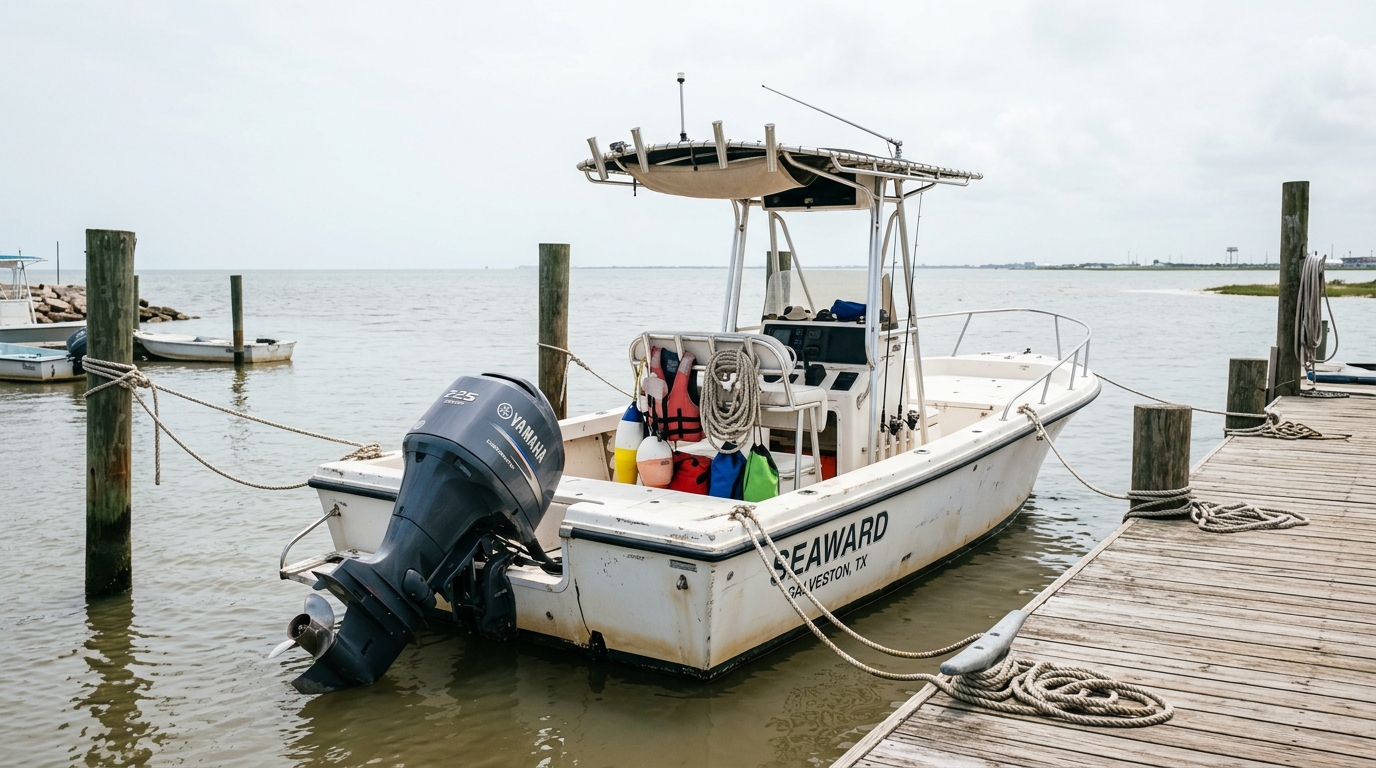
Total Loss Replacement: A New Boat for an Old One
Total Loss Replacement coverage is the premium-tier option that offers the most comprehensive protection. Instead of paying you an agreed-upon dollar amount, this policy promises to replace your totaled boat with a brand-new one of comparable make, model, and equipment. For our Galveston boater with the $60,000 bay boat, this is a game-changer. Even though your boat is two years old and has depreciated, the insurer is obligated to purchase a new equivalent model. Given the way boat prices have inflated in recent years, that new replacement could now cost $68,000 or more, and the policy covers that full amount. This coverage is typically only available for boats under a certain age, often 5 to 7 years old. The peace of mind factor is enormous, especially for boaters in Texas City and La Marque who keep their vessels in marinas exposed to the open bay. You aren't just getting your money back; you are being made whole with a factory-fresh vessel, allowing you to get back to cruising the Galveston Channel without skipping a beat.
The Depreciation Trap: Why Standard Market Value Falls Short
To fully appreciate the value of Agreed Value and Total Loss Replacement, you have to understand the alternative: Actual Cash Value, or market value at the time of loss. Boats, like cars, depreciate. A 2-year-old boat originally purchased for $60,000 might have a market value of only $45,000, depending on hours, condition, and market demand. If you have a standard policy that pays out based on Actual Cash Value, that $45,000 is what you'd receive, minus your deductible, leaving you $15,000 short of what you originally paid. In the Galveston area, where boats are heavily used in saltwater and depreciation can be accelerated by the harsh marine environment, this gap can be even wider. A boat kept in a slip in Clear Lake may show more wear and tear, further reducing its appraised value. This depreciation trap is what catches many first-time boat owners off guard, turning what they thought was full coverage into a significant financial loss that prevents them from replacing their vessel.
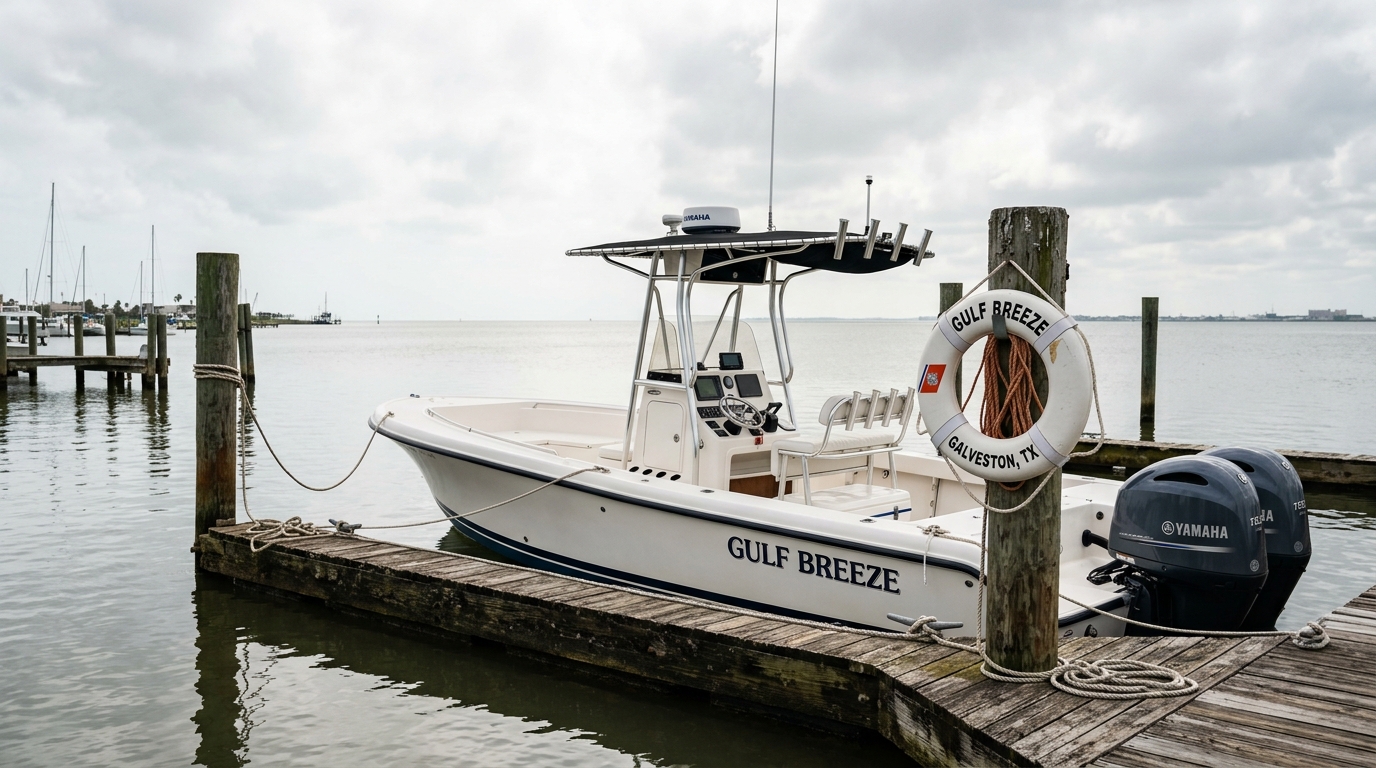
Premium Differences: Weighing the Cost Against the Risk in Galveston
It's no secret that better coverage costs more. Total Loss Replacement is the most expensive option, followed by Agreed Value, with Actual Cash Value being the cheapest. But in a high-risk area like Galveston, the premium difference might be narrower than you think. Insurers price policies based on exposure, and since Galveston is in a hurricane zone, the base premium is already elevated. Adding Agreed Value or Total Loss Replacement may only increase your annual premium by 10% to 20%. For a policy that might cost $1,500 a year, you could be paying an extra $150 to $300 annually to secure tens of thousands of dollars in additional claim payout. When you look at it through the lens of our $60,000 boat scenario, paying a little more each year to avoid a $15,000 depreciation hit is a sound financial decision. Boaters in Friendswood and Santa Fe, who trailer their boats but still face storm risks at storage facilities, should also run this math. The premium increase is often far less painful than the gap in coverage.
Side-by-Side Payout Comparison: The $60,000 Galveston Storm Scenario
Let's put the numbers side-by-side for absolute clarity. Our hypothetical is a 2-year-old boat purchased for $60,000, declared a total loss after a Galveston storm. With an Actual Cash Value policy, the insurer determines the depreciated market value is $45,000. You receive $45,000, minus your deductible. You are $15,000 short of your original purchase price. With an Agreed Value policy set at $60,000, you receive the full $60,000, minus your deductible. You are made whole based on your original investment. With a Total Loss Replacement policy, the insurer must purchase a new, comparable boat. If the new model now costs $65,000, the insurer pays $65,000, minus your deductible. You end up with a brand-new boat, better than the one you lost, without having to negotiate or prove the value. This comparison makes it obvious why the policy type matters more than almost any other factor in your marine insurance portfolio.
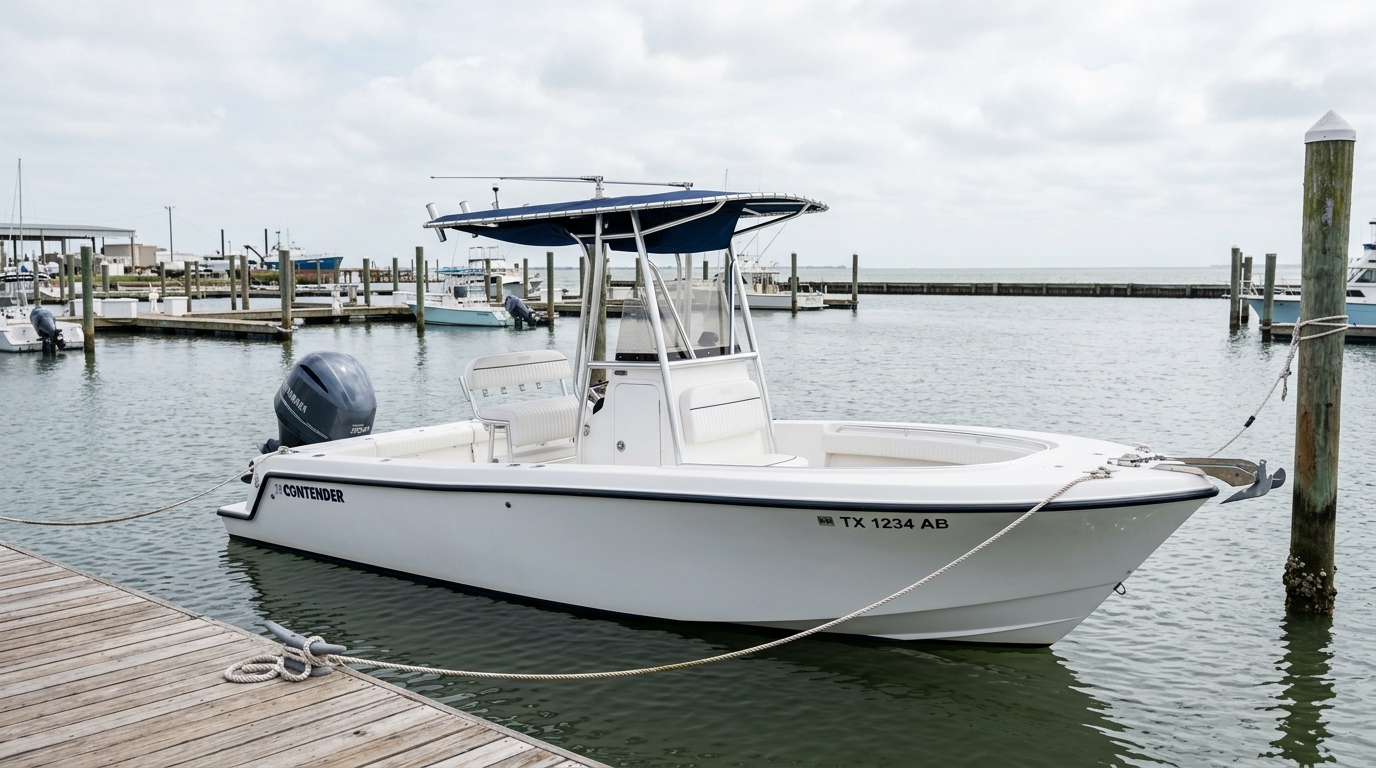
The Galveston Factor: Why Local Boaters Need More Than Basic Coverage
Boating in Galveston isn't like boating on an inland lake. The saltwater environment is corrosive, the weather is unpredictable, and the threat of a named storm is a reality from June through November. These factors don't just increase the likelihood of a total loss; they also accelerate depreciation and complicate the claims process. When a major storm hits, marinas from La Marque to the Galveston Ship Channel can be devastated simultaneously, leading to a flood of claims and potential disputes over valuations. Having an Agreed Value or Total Loss Replacement policy removes the valuation fight from the equation during a time when you're already dealing with the emotional toll of losing your boat. It also ensures that local factors, like a soft used-boat market after a storm, don't depress your payout. The O'Donohoe Agency understands these local nuances and has helped hundreds of Galveston County boaters navigate these difficult choices, ensuring they have the right protection for the unique risks of the Upper Texas Coast.
Key Takeaways for Galveston Boaters
- Agreed Value guarantees a pre-set payout, eliminating depreciation disputes after a total loss.
- Total Loss Replacement buys you a brand-new boat, protecting you from inflation and market value drops.
- Standard Actual Cash Value policies leave you exposed to a significant financial gap due to depreciation.
- In Galveston's high-risk hurricane zone, the premium increase for superior coverage is often a small fraction of the potential payout difference.

Securing Your Peace of Mind on the Gulf Coast
Choosing between Total Loss Replacement and Agreed Value isn't just a financial calculation; it's a decision about how you want to sleep at night during hurricane season. If you want the absolute certainty of a predetermined payout and are comfortable potentially absorbing some market inflation, Agreed Value is a rock-solid choice. If you want the ultimate peace of mind of knowing you'll be back on the water in a brand-new boat, no matter what, Total Loss Replacement is the gold standard. The O'Donohoe Agency, with decades of experience serving Galveston, Texas City, and the entire Clear Lake area, can walk you through a personalized quote for your specific vessel. Don't wait until a storm is in the Gulf to discover what your policy actually covers. Reach out today, and let's make sure your boat insurance is as ready for the next storm as you are.
