

Introduction: Why Personal Effects Coverage Matters On The Water
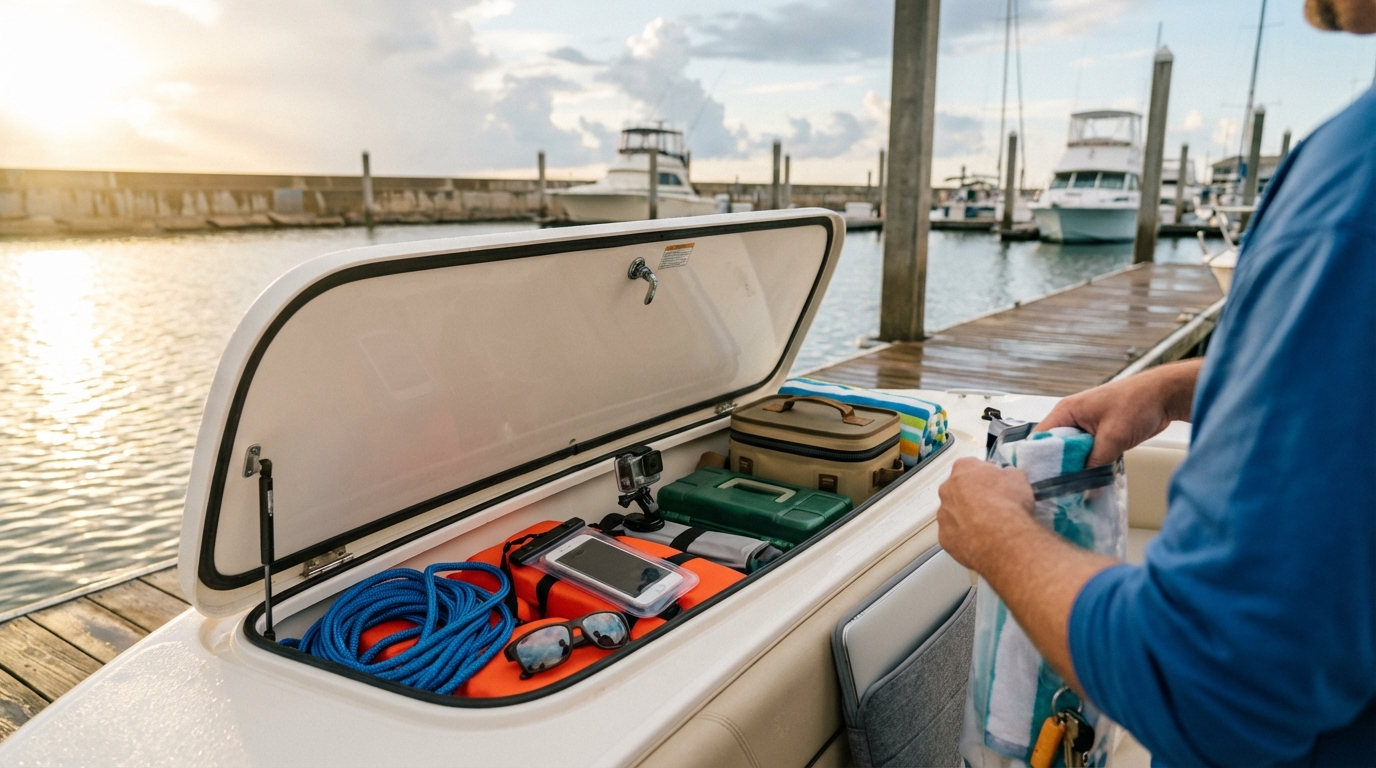
If you boat out of Galveston, you already know the boat isn’t the only expensive thing on board. A normal day can include phones, sunglasses, a cooler, fishing tackle, a handheld VHF, a tablet for charts, and safety gear you’ve upgraded over time. Personal effects coverage (sometimes called personal property coverage on a boat policy) is designed to help replace those items after a covered loss like theft, a fire, or certain types of storm damage. The key is knowing what counts as a “personal effect,” what limits apply, and how to document your gear so you’re not scrambling after something happens.
Context And Background: What Personal Effects Coverage Is (and Isn’t)
Personal effects coverage is typically an add-on or included sub-limit within a boat insurance policy that pays for personal items brought aboard, not the boat’s built-in equipment. Think of it as coverage for your stuff, not the vessel itself. In practice, it can be a lifesaver after a break-in at a marina or a theft from a trailer, but it’s not unlimited and it’s not a substitute for insuring the boat and its permanent gear. Policies often have per-item limits, category limits (like electronics), deductibles, and exclusions for wear and tear or gradual damage. In Galveston, where salt air and sudden weather changes are a fact of life, understanding those boundaries prevents unpleasant surprises.
Main Point 1: What You Can Usually Insure As “Personal Effects” On A Boat
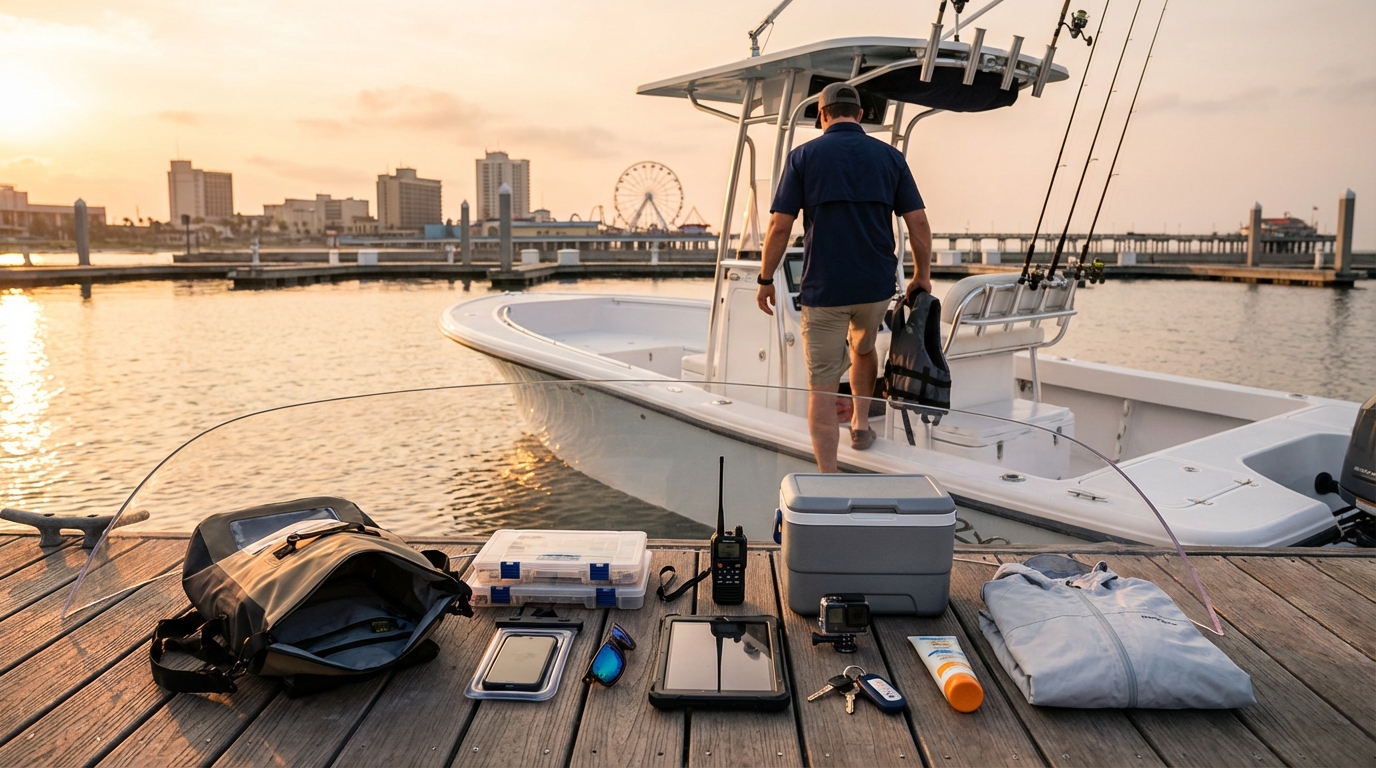
A good way to think about personal effects is: items you bring with you and remove when you leave, not items permanently installed. For many Galveston boaters, that includes phones, wallets, sunglasses, cameras, fishing rods and reels, tackle bags, portable coolers, beach gear, binoculars, and removable electronics like a handheld GPS or tablet. Some policies may also treat certain safety gear as personal effects if it’s not permanently mounted—like inflatable PFDs, EPIRBs/PLBs, and ditch bags. Where boaters get tripped up is with “boat equipment” versus “personal property.” A mounted chartplotter, fixed VHF, and installed stereo often fall under the boat’s hull/equipment coverage, not personal effects. Clarifying that split is one of the fastest ways to tighten up your coverage.
Main Point 2: Common Limits And Exclusions (Electronics, Theft, And “Mysterious Disappearance”)
Personal effects coverage is helpful, but it’s also where fine print matters. Many policies cap the total amount available for personal effects and may also cap certain categories, especially electronics. For example, you might have enough overall coverage for tackle and coolers, but only a smaller amount for phones, cameras, or computers. Theft coverage can also be conditional: the policy may require evidence of forced entry, may exclude unattended items left in plain view, or may not cover “mysterious disappearance” (when something is missing but there’s no clear event). Water damage is another common pain point—dropping a phone overboard can be treated differently than damage from a covered storm or a theft. The best move is to match your personal effects limit to what you actually carry on a typical Galveston outing, not what you wish you carried.
Main Point 3: A Practical Boat Personal Effects Checklist For Galveston Boaters
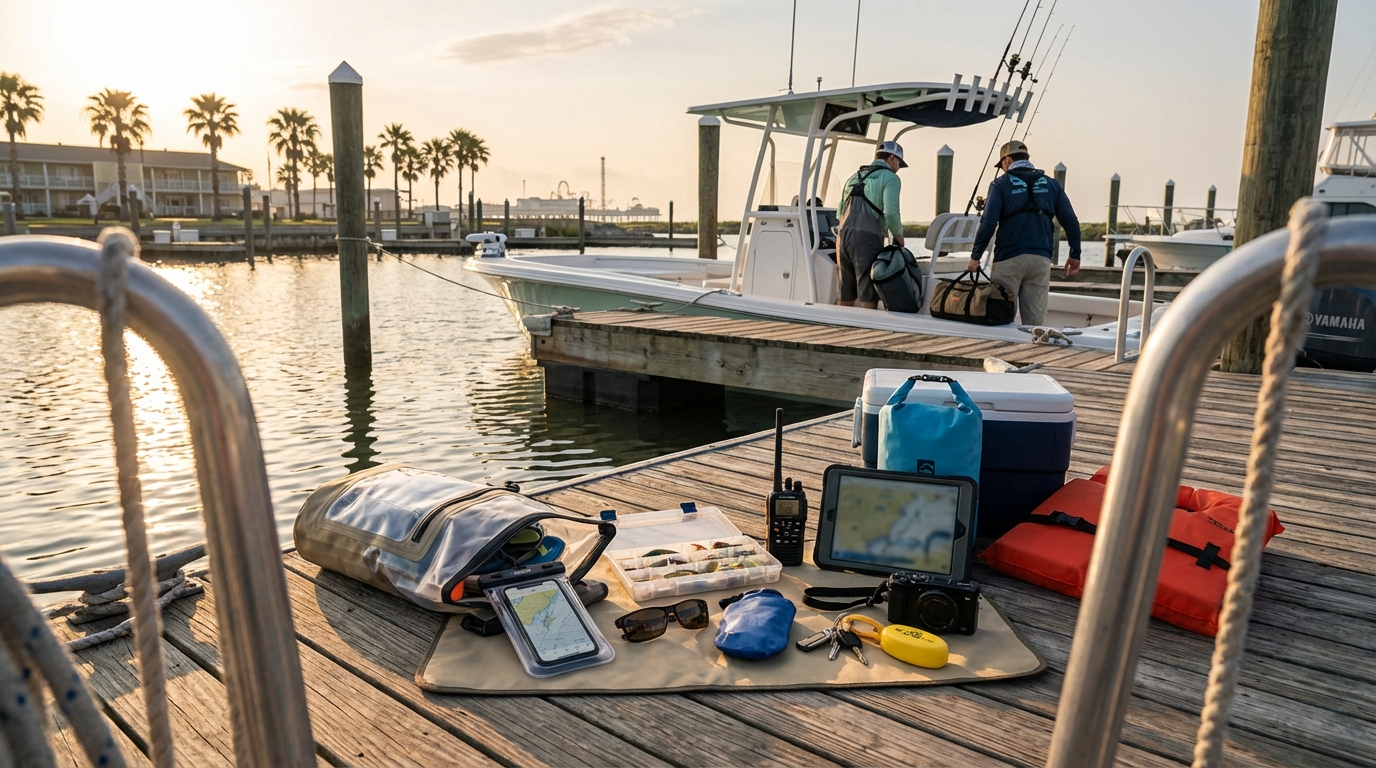
Before you adjust coverage, build a simple inventory based on how you use the boat around Galveston Bay and the Gulf. Start with your “always on board” items: PFDs, throwable devices, flares, first-aid kit, fire extinguisher, and any upgraded safety gear like an EPIRB or inflatable PFDs. Next list your fishing setup: rods, reels, tackle boxes, lures, bait tools, cast nets, and a fish finder tablet or handheld unit if you bring it. Add comfort and day-trip gear: coolers, speakers, beach chairs, canopy, and water sports gear. Finally list valuables that come and go: phones, watches, cameras, and sunglasses. Next to each item, note the brand/model, approximate replacement cost, and whether it’s removable or installed. This one-page checklist makes it easier to choose limits and reduces stress if you ever need to file a claim.
Local Relevance: Galveston-Specific Scenarios That Affect Personal Effects Claims
In Galveston, personal effects losses often come from a few repeat scenarios: theft from a marina slip, theft from a boat stored on a trailer, and storm-related damage when weather turns quickly. If you’re boating near busy areas and marinas or launching for a day around Galveston Bay, you may be in and out of the boat often, which increases the chance of leaving something behind. Saltwater and humidity also accelerate corrosion and wear, and that matters because most policies won’t treat gradual deterioration as a covered loss. If you keep your boat in nearby areas like Texas City, League City, Dickinson, La Marque, Santa Fe, Friendswood, or Clear Lake, storage and security practices can vary widely—locked compartments, serial-number records, and proof of forced entry can make a big difference when a theft claim is reviewed.
Key Takeaways: How To Get Personal Effects Coverage Right
- Inventory first, then insure: total up what you typically bring aboard in Galveston (not just your highest-value day) so your limit matches reality.
- Separate installed gear from personal property: mounted electronics and fixed equipment usually belong under hull/equipment coverage, not personal effects.
- Watch for electronics sub-limits: phones, cameras, and tablets often have lower category caps even when the overall limit looks adequate.
- Document ownership now: keep photos of gear on the boat, serial numbers for electronics, and digital copies of receipts in cloud storage.
- Understand theft conditions: some policies require forced entry or may limit coverage for unattended items left in open view.
- Confirm how water loss is handled: ask how the policy treats accidental drops overboard versus storm damage or theft.

Next Steps: When Homeowners Or Renters Insurance Overlaps (and When It Doesn’t)
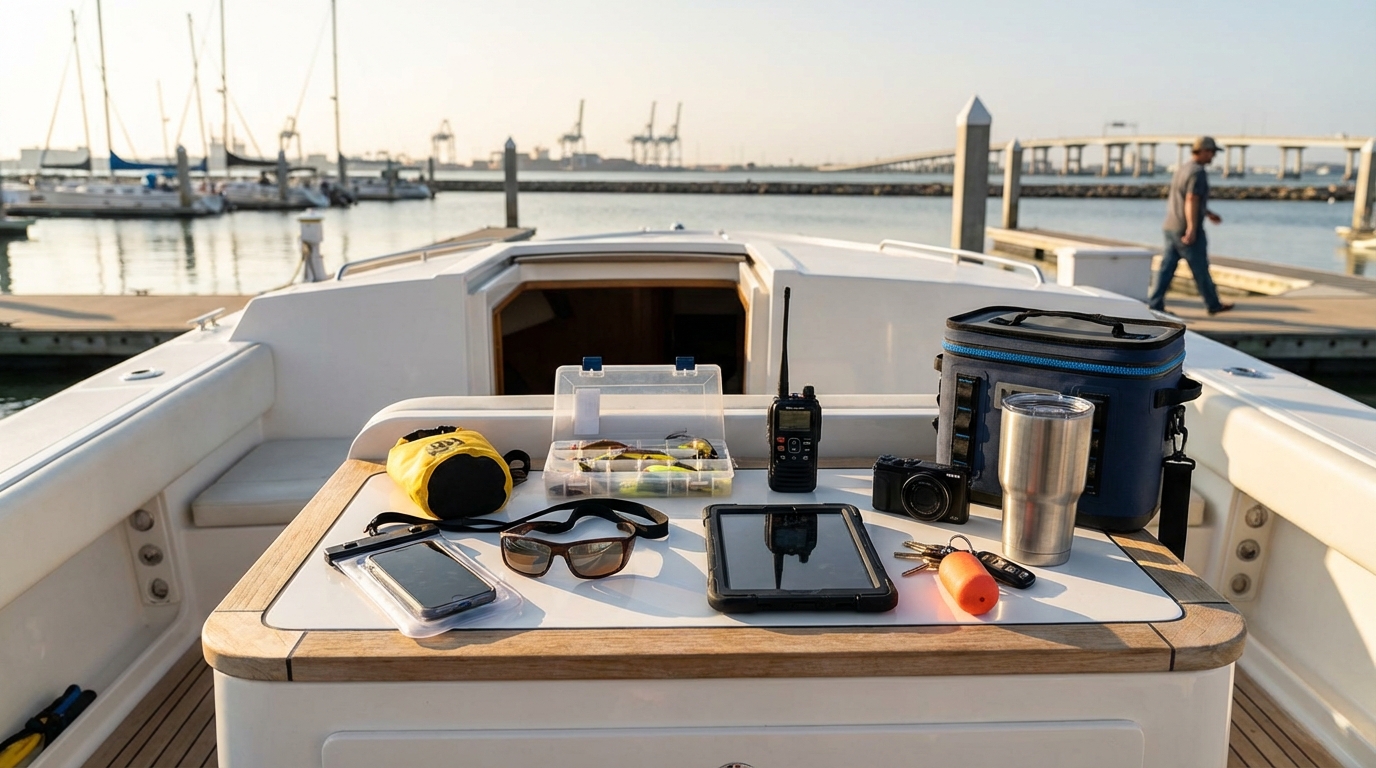
A common question in Galveston is whether homeowners or renters insurance already covers items you bring on the boat. Sometimes it can, but the overlap is inconsistent and often comes with off-premises limits, higher deductibles, and special sub-limits for electronics or sporting equipment. Home policies may also exclude certain watercraft-related situations or reduce coverage if the loss is tied to business use or certain locations. The cleanest approach is to treat your boat policy as primary for boating-related risks and use homeowners/renters as a backstop only after you confirm the details. The O'Donohoe Agency can review your boat policy alongside your home or renters coverage, point out gaps (like electronics caps or theft conditions), and help you choose a personal effects limit that fits how you actually boat around Galveston and nearby communities.
Get A Galveston Boat Policy Review For Your Gear
Want to know if your phones, fishing gear, coolers, and safety equipment are really covered the way you think? Request a quick personal effects coverage check and we’ll help you set limits that match your on-board inventory.
Get My Quote