

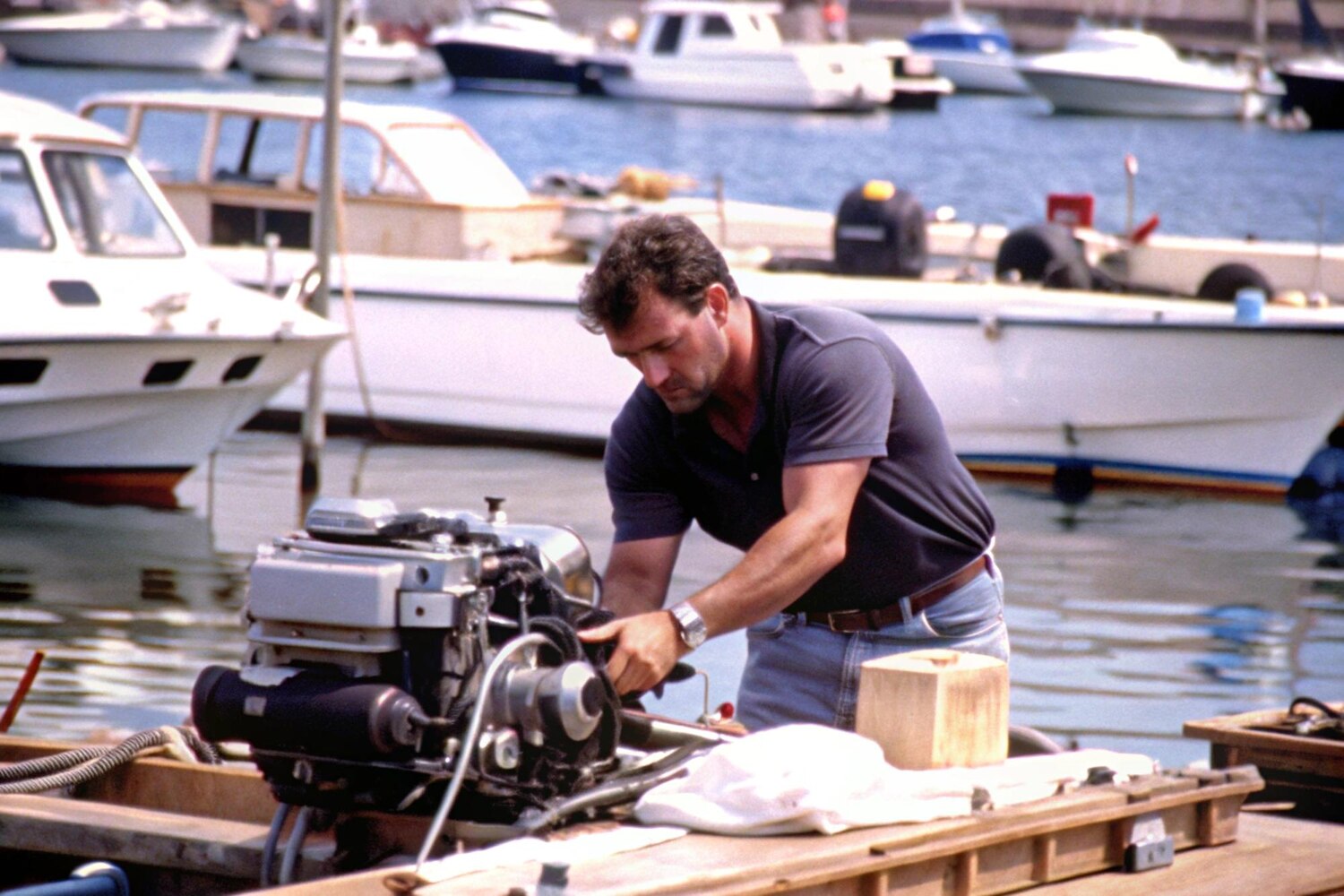
Introduction: Why This Choice Matters in Galveston
If you run a boat out of Galveston, you already know the water is only part of the equation—heat, salt, and long weekends on the bay can be tough on engines and onboard systems. That’s why many local owners start comparing mechanical breakdown coverage (often an add-on to boat insurance) with a manufacturer warranty or an extended warranty plan. They sound similar, but they don’t pay the same way, and the repair process can feel very different when you’re trying to get back on the water. Below is a practical, Galveston-specific breakdown of what each option is, what it typically covers, and how to decide.
Context And Background: Warranty Promises Vs. Real-World Repairs
A manufacturer warranty is primarily about defects in materials or workmanship—basically, “the factory made it wrong.” Mechanical breakdown coverage is generally designed to help when a covered component fails during normal use, even if it’s not a factory defect. In real life, Galveston boat owners often face failures that are hard to label: a corroded connector, a fuel system issue after sitting, or an electrical component that quits after a season of humid storage. Those gray-area situations are where the differences show up fast: who chooses the repair facility, what documentation is required, and whether you’re dealing with an insurance adjuster or a warranty administrator.
Main Point 1: What Each Option Typically Pays For (And What It Usually Doesn’t)
Manufacturer warranties usually cover specific engine and component failures tied to defects, and they often exclude wear items and routine service. Think of things like spark plugs, filters, impellers, corrosion, and maintenance-related damage as common exclusions. Extended warranties (service contracts) vary widely: some are closer to “named-peril” coverage (only listed parts), while others are more inclusive but still have carve-outs. Mechanical breakdown coverage through a boat policy can help with sudden, accidental mechanical failure of covered systems, but it also has exclusions—especially for neglect, corrosion, gradual wear, or pre-existing issues. The key is to read the definition of “breakdown,” the list of covered systems (engine, lower unit, electronics, AC, generator), and the deductible structure before you assume you’re protected.
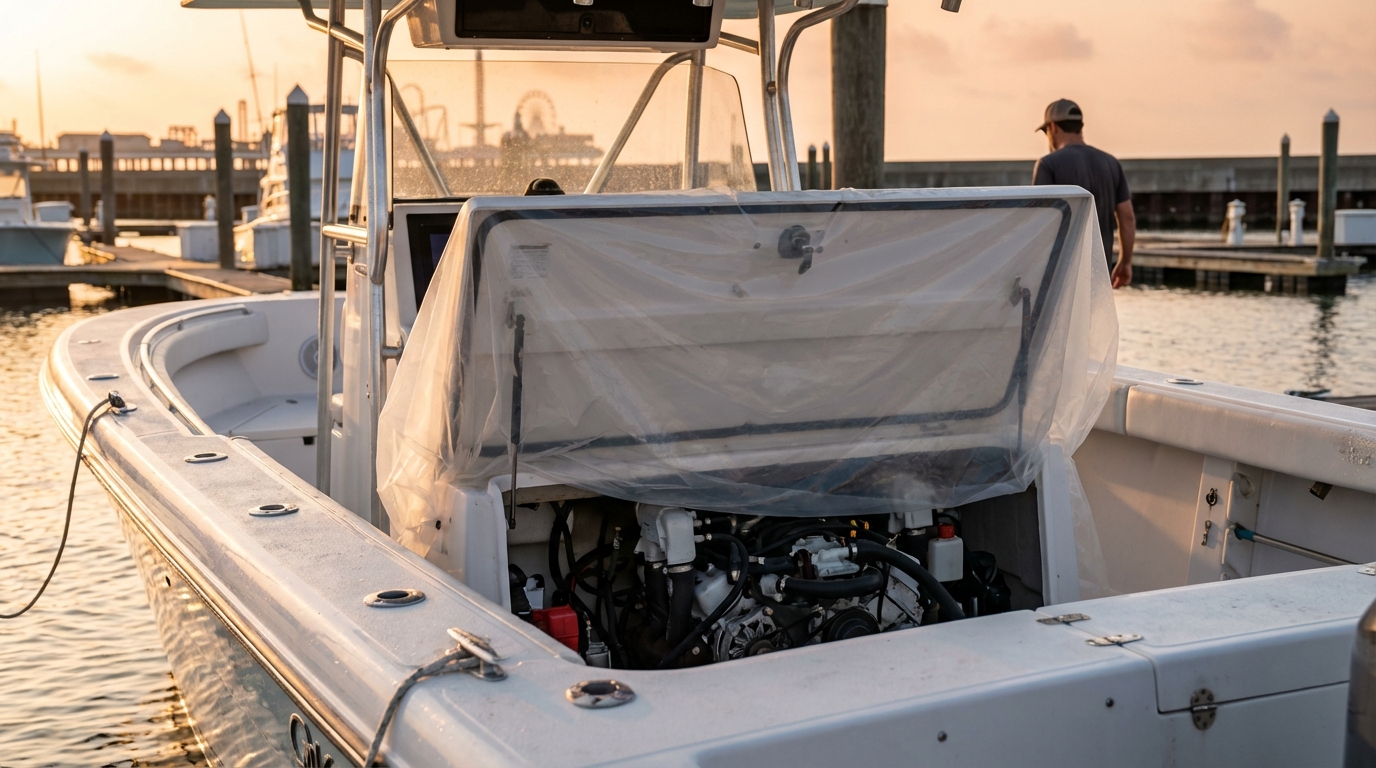
Main Point 2: Claims And Repair Process Differences (Who Approves What)
With a manufacturer warranty, the process often starts at an authorized dealer or certified service center. They diagnose the issue, submit it to the manufacturer, and the manufacturer decides whether it’s warrantable. You may be limited on where you can go, which matters during peak season when Galveston-area shops are booked. Extended warranty administrators may require pre-authorization, teardown approval, and specific labor rates—great when it works, frustrating when approvals lag. Mechanical breakdown coverage generally runs through your insurance claim process, which can include documentation, a damage description, and sometimes an inspection or estimate review. The upside is that insurance claims can be more flexible on repair facilities depending on the policy; the downside is you’ll need to follow the insurer’s steps closely to avoid delays.
Main Point 3: Maintenance Requirements That Can Make Or Break Coverage
Both warranties and mechanical breakdown coverage can fail you if maintenance isn’t documented. Warranties typically require you to follow the manufacturer’s schedule—service intervals, recommended fluids, winterization steps, and sometimes proof of professional service for certain items. Mechanical breakdown coverage often excludes damage caused by lack of maintenance, improper repairs, contaminated fuel, or corrosion that built up over time. In Galveston, salt exposure and humidity make “gradual deterioration” a common denial reason, so it’s smart to keep receipts for oil changes, lower unit service, fuel-water separator changes, and any corrosion prevention steps. If you do your own work, keep a log with dates, engine hours, and parts receipts so you can prove the boat wasn’t neglected.
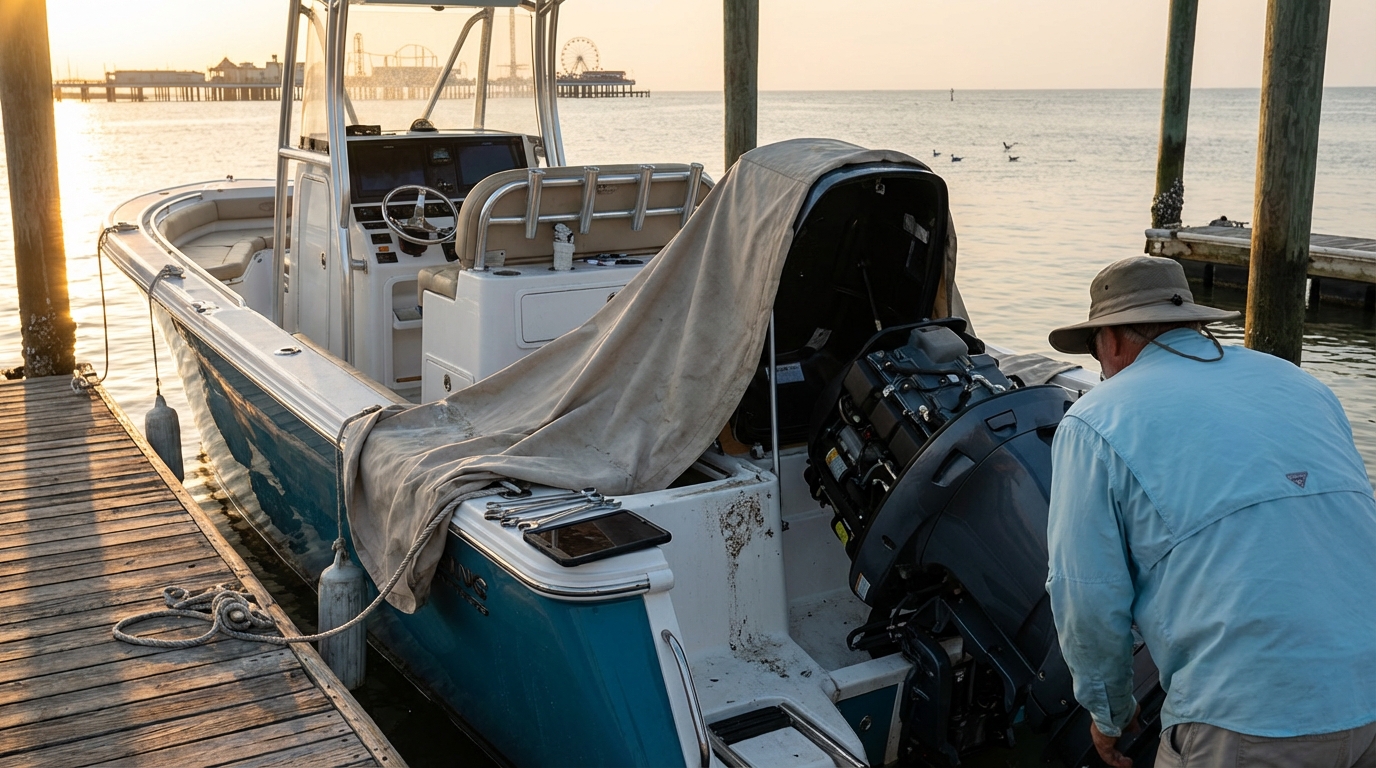
Local Relevance: How Galveston Conditions Change the Math
Galveston boating often means a mix of bay cruising, short Gulf runs, and plenty of time on lifts or in wet slips—each one affects wear differently. Salt air can accelerate corrosion on electrical connections, steering components, and trailer parts, and that matters because corrosion is frequently excluded or tightly limited in both warranties and mechanical breakdown coverage. Also, local usage patterns matter: if you’re running to Clear Lake frequently, towing from Texas City, or keeping your boat near Dickinson or La Marque, your maintenance routine and storage conditions can vary a lot. The best “fit” is usually the option that matches your real risk: high engine hours, frequent offshore runs, or lots of electronics onboard may justify broader protection, but only if you can meet the documentation requirements.
Key Takeaways For Choosing The Better Fit
- Newer boat (0–3 years) with strong factory coverage: prioritize understanding the manufacturer warranty terms, authorized repair rules, and required service intervals before paying extra for overlapping protection.
- Mid-age boat (3–10 years) with higher use: consider mechanical breakdown coverage or a well-reviewed service contract, and compare deductibles, covered systems, and exclusions for corrosion and wear.
- Older boat (10+ years): focus on budgeting for repairs, tightening maintenance habits, and reviewing whether any breakdown coverage is available and cost-effective for your specific engine and systems.
- High salt exposure (wet slip, frequent Gulf runs): choose the option with the clearest language on corrosion-related damage and keep meticulous maintenance records.
- Busy-season repairs: ask how pre-authorization works, whether you can choose your repair shop, and what documentation is required so you’re not stuck waiting when you want to be on the water.

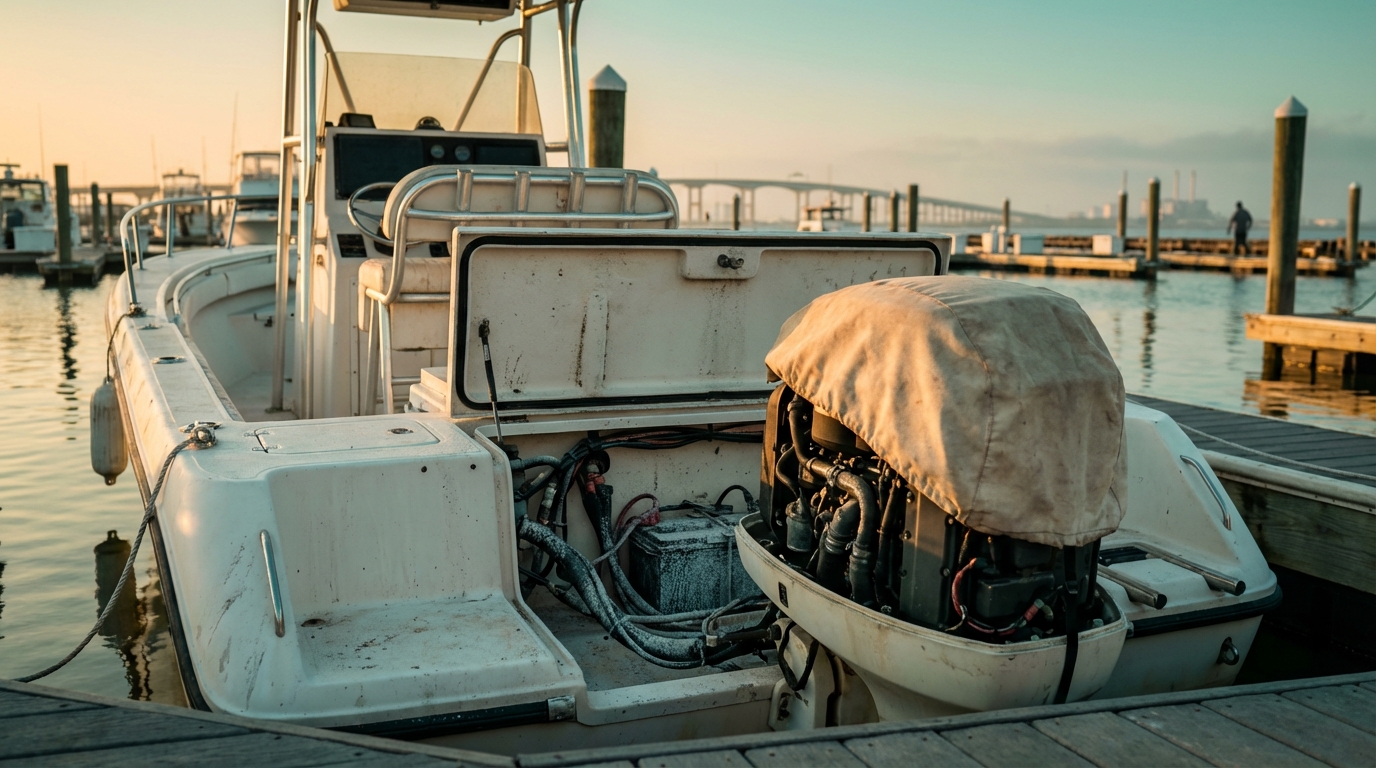
Next Steps: Match Coverage To Boat Age, Usage, And Budget
Start by listing your boat’s basics: model year, engine hours, whether it’s stored on a lift or in a slip, and how often you run it around Galveston Bay versus offshore. Then pull your current warranty paperwork (and any extended warranty contract) and look for three things: covered parts, exclusions (especially corrosion and wear), and what proof they require. After that, compare mechanical breakdown coverage options with your boat insurance—pay attention to deductibles, claim steps, and whether the coverage is limited to certain systems. If you’d like a second set of eyes, The O'Donohoe Agency can help Galveston-area owners compare policy options and spot gaps before a breakdown turns into a long, expensive downtime.
Compare Mechanical Breakdown Coverage Options For Your Boat
Get a Galveston-specific review of your current warranty situation and boat insurance options, including whether mechanical breakdown coverage makes sense for your boat’s age and how you use it.
Get My Quote