

Introduction: Why Water Hit-And-Runs Feel So Overwhelming
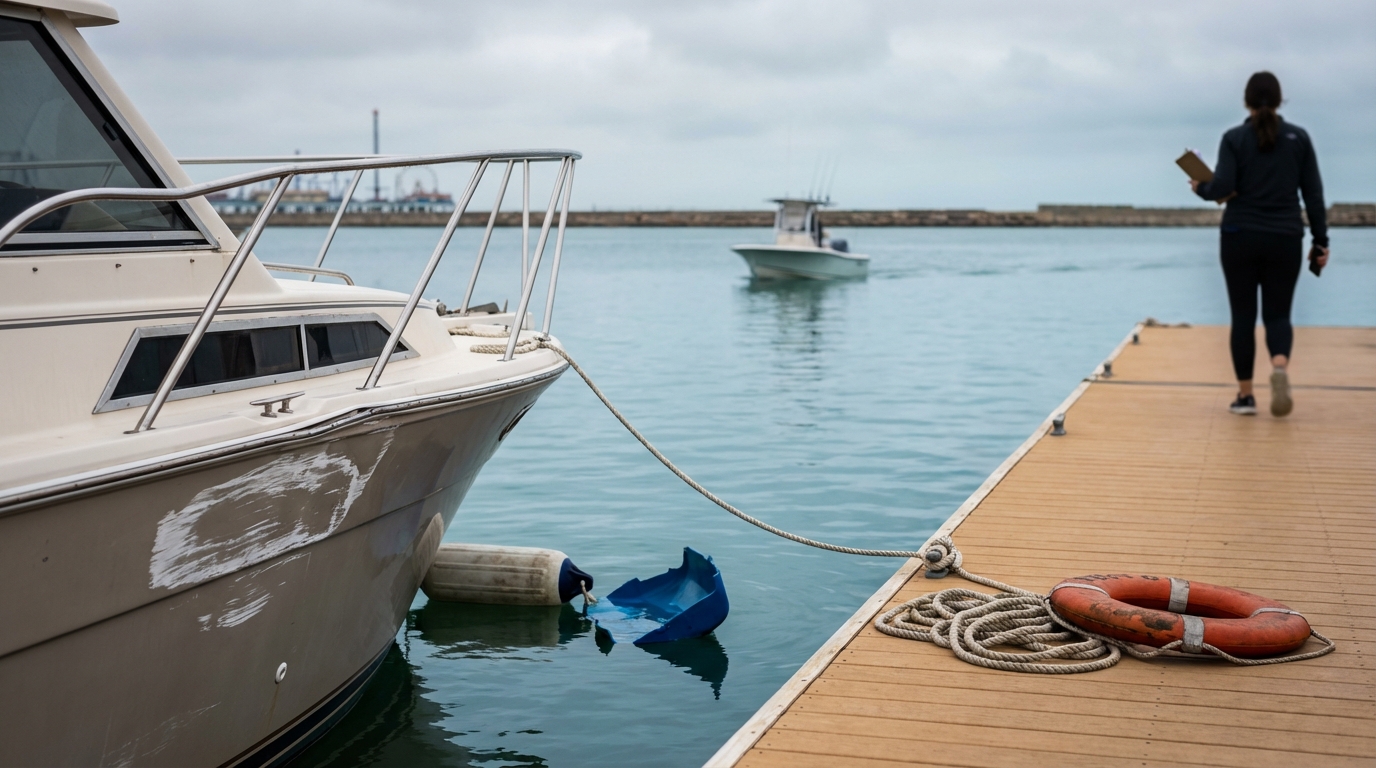
A hit-and-run on the water is different from a fender-bender on land. In Galveston, boats move, wakes push you off position, and the other operator can disappear around a channel marker in seconds. The adrenaline hits fast, and it’s easy to miss details you’ll wish you had later—like a registration number, hull color, or which direction they headed. The good news is there’s a clear, step-by-step approach that protects your passengers and sets up your insurance claim the right way. Below is a practical action plan you can follow on Galveston Bay, in the harbor, or near local marinas.
Context: What Counts As A Hit-And-Run And Why Reporting Matters
A boating hit-and-run generally means another vessel caused a collision (or damage via wake, prop wash, or contact) and then left without exchanging information or providing aid as required. In busy Galveston-area waterways—especially on weekends and during events—operators may panic, be impaired, or simply assume the damage is minor and take off. Reporting matters for two reasons: safety and documentation. First responders may need to check for injuries, sinking risk, or fuel leaks. Second, insurers often look for prompt notice and an official report when the at-fault party is unknown, especially if you’re seeking help under uninsured boater coverage or physical damage coverage.
Step 1: Secure Safety And Stabilize The Scene
Start with people, not paperwork. Move everyone into life jackets (if they aren’t already), do a quick headcount, and check for bleeding, head injuries, or signs of shock. If the boat is taking on water, activate the bilge pump, plug obvious leaks if you can, and distribute weight to keep the boat stable. If you’re in a high-traffic area near Galveston channels, do what’s reasonable to avoid a second impact—use hazard lights if equipped, sound signals, and relocate to a safer position if the vessel is operable. If you suspect a fuel leak or fire risk, shut down engines and electrical systems and keep passengers upwind.
Step 2: Call For Help And Make The Right Reports
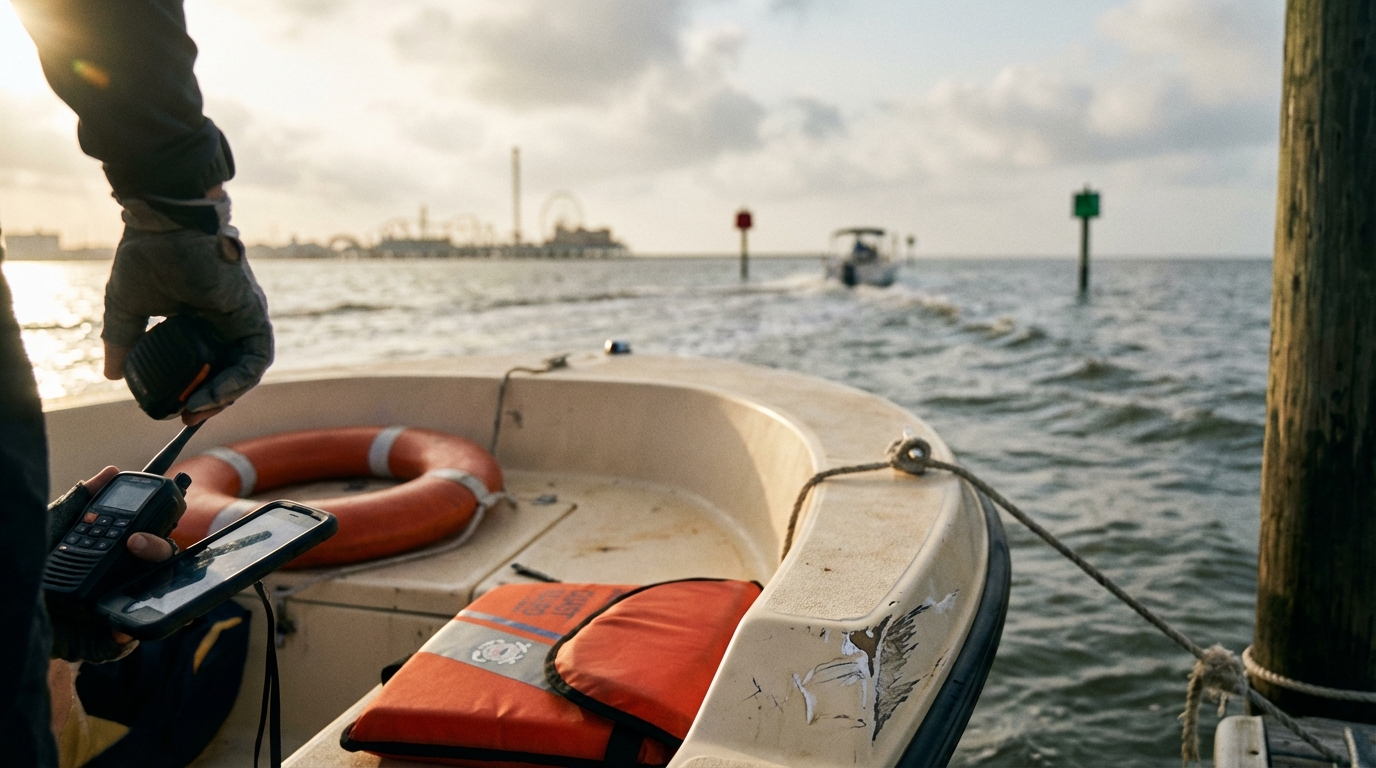
If there are injuries, significant damage, someone overboard, or the boat is disabled, call 911 immediately. On the water around Galveston, you may also be directed to marine law enforcement or the Coast Guard depending on location and severity. When you report, be ready to share your GPS location or nearby landmarks, the number of people aboard, whether anyone needs medical help, and whether the boat is taking on water. If the other vessel fled, say so clearly and provide the direction of travel and any identifying details. Even if the incident seems “small,” creating an official record can help later if injuries develop or if repairs reveal hidden damage.
Step 3: Document Evidence Like You’re Building A Case File
Once everyone is safe and help is on the way (or you’re in a stable situation), switch into documentation mode. Take wide photos showing the overall scene, then close-ups of damage, rub marks, broken rails, prop damage, electronics, and any waterline intrusion. Capture the time, weather, and water conditions, because wind and chop can explain how the collision occurred. If you saw the other boat, write down everything you remember right away: hull color, make/model, engine type, decals, partial registration numbers, and the number of people onboard. If your boat has GPS tracking, chartplotter history, or a camera, preserve that data. Avoid repairing or cleaning up too much until you’ve documented thoroughly.
Step 4: Get Witness Info And Marina Footage Before It Disappears
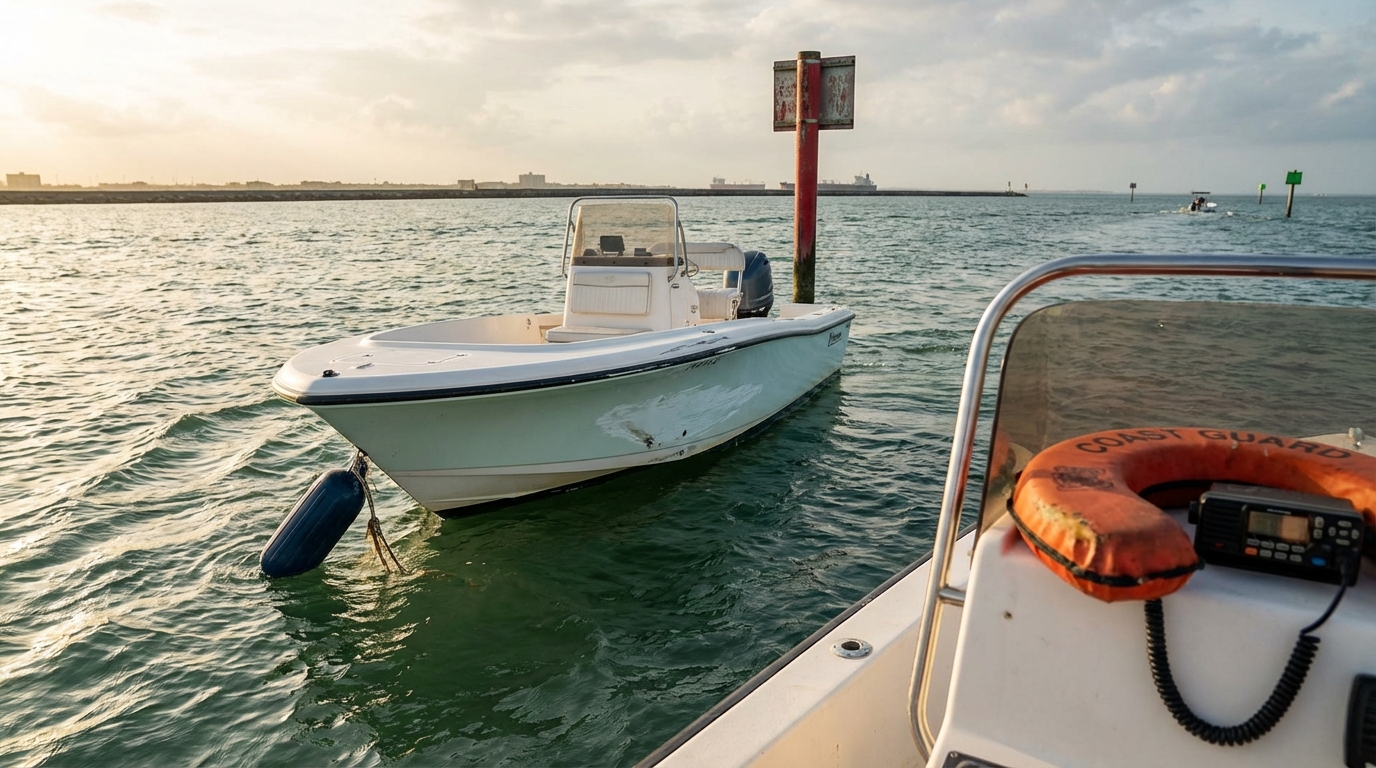
Witnesses are often the difference between “unknown boater” and an identified at-fault operator. If other boaters stopped, ask for names, phone numbers, and a short statement of what they saw, including the fleeing boat’s direction and description. In Galveston, many incidents happen near marinas, fuel docks, or launch ramps—places that may have security cameras. If you’re near a facility, ask staff who manages footage and request that they preserve the relevant time window. Don’t assume footage will be stored for long. Also consider nearby boaters’ dash cams or action cameras. The goal is to create a timeline that supports your report and helps your insurer evaluate liability and coverage.
How Uninsured Boater Coverage May Apply After A Hit-And-Run
Uninsured boater coverage is designed to help when you’re injured by an at-fault operator who has no insurance or can’t be identified—exactly the problem with a hit-and-run. In many policies, this coverage focuses on bodily injury: medical bills, lost wages, and sometimes pain and suffering, depending on how the policy is written and Texas rules. Think of it as a substitute for the other boater’s liability insurance when they’re uninsured or unknown. Important detail: uninsured boater coverage may require prompt reporting and evidence that another vessel caused the incident. That’s why photos, witness statements, and an official report are so valuable when the other operator disappears.
Key Takeaways For Galveston Hit-And-Run Claims
- Protect people first: life jackets, headcount, stabilize flooding risk, and move out of traffic if safe to do so.
- Report quickly: injuries, major damage, or a fleeing vessel should trigger an immediate 911 call and an official incident record.
- Document aggressively: wide and close photos, GPS/plotter history, time and conditions, and a written description of the other vessel.
- Gather third-party proof: witness contact info and marina/launch ramp camera preservation can help identify the at-fault boater.
- Match coverage to the loss: uninsured boater coverage often addresses injuries, while hull/collision/comprehensive may handle boat damage.

When Hull, Collision, Or Comprehensive May Cover Boat Damage
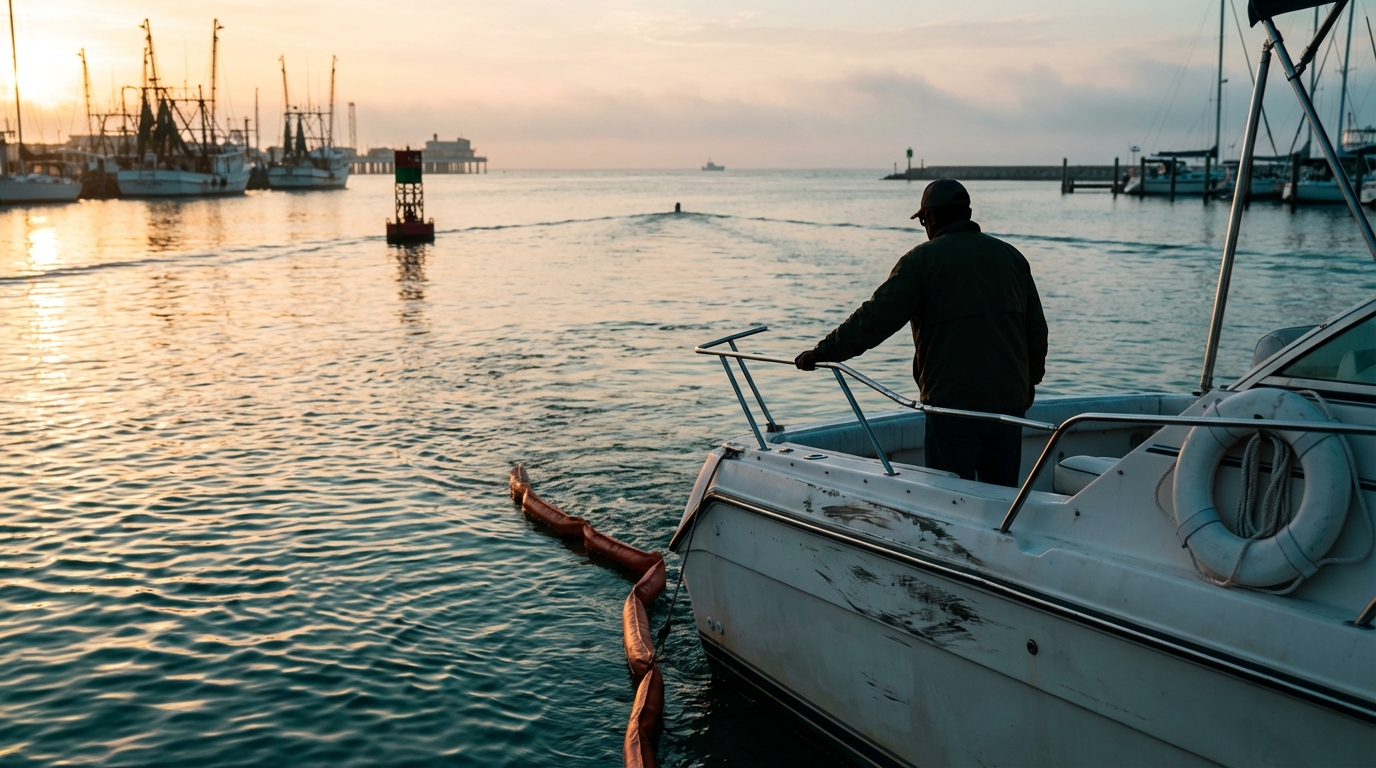
In a hit-and-run, the biggest surprise for many Galveston boaters is that injuries and boat damage can fall under different parts of the policy. Uninsured boater coverage commonly addresses injuries, but physical damage to your boat is often handled under hull coverage—typically collision for impact with another vessel, and comprehensive for certain non-collision losses (the exact split depends on your policy wording). If the other boat can’t be identified, your insurer may still pay for covered repairs under hull coverage, subject to your deductible and policy limits. Keep receipts for emergency towing, temporary repairs to prevent further damage, and haul-out/inspection costs if recommended by a repair facility.
Next Steps In Galveston: Notify Your Insurer And Get Local Help
As soon as you’re safe, notify your insurer and share the facts while they’re fresh: where it happened, what you observed, photos, witness contacts, and any report numbers. If you boat around Galveston, Texas City, League City, Dickinson, La Marque, Santa Fe, Friendswood, or Clear Lake, it also helps to use repair and towing providers familiar with local conditions—saltwater corrosion, storm-driven debris, and the way impacts can damage props, shafts, and lower units even when the hull looks “mostly fine.” The O'Donohoe Agency can help you review whether uninsured boater coverage is on your policy, how your hull coverage applies, and what documentation will keep the claim moving without unnecessary back-and-forth.
Want A Second Set Of Eyes On Your Coverage?
If you boat in Galveston and want to understand how uninsured boater coverage and hull coverage would respond after a hit-and-run, we can review your options and help you request a quote.
Get My Quote