

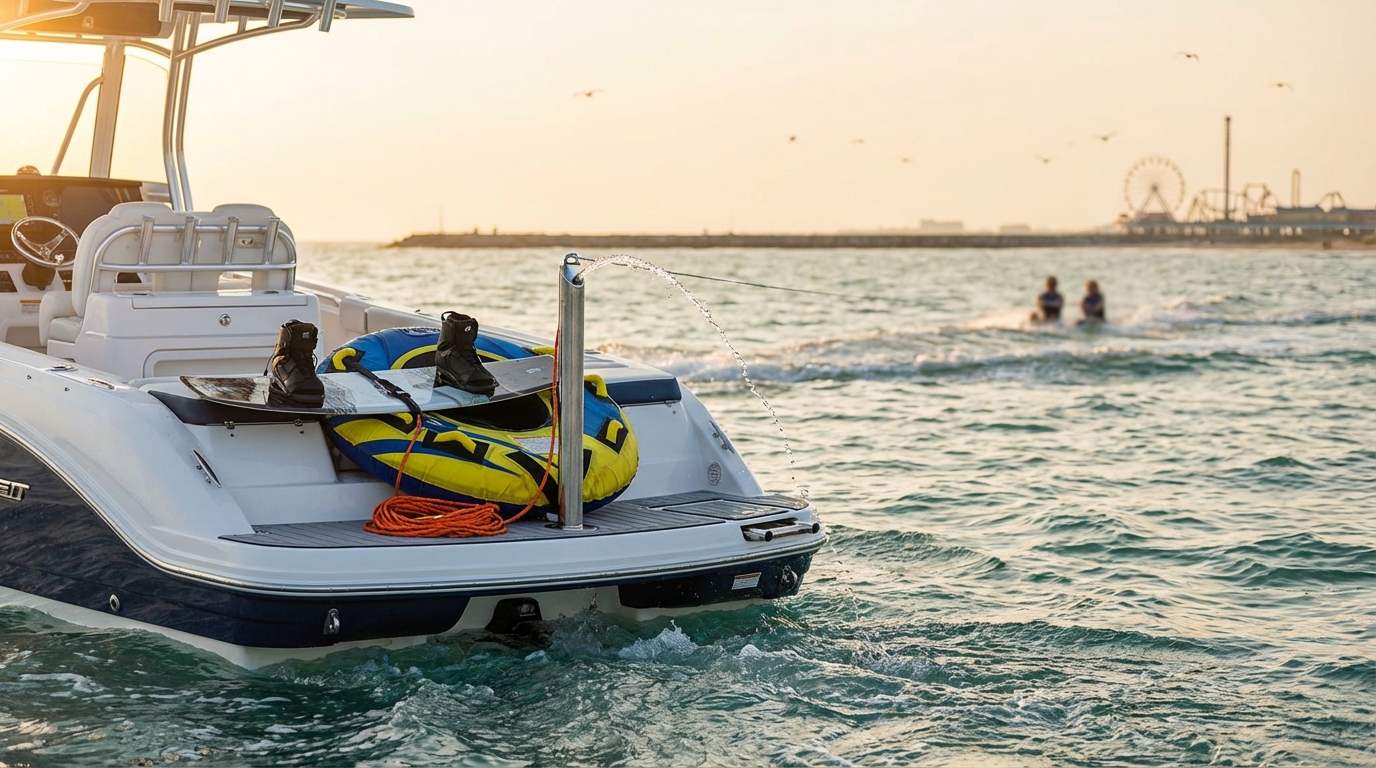
Quick Answer: Does Boat Insurance Cover Wakeboarding And Tubing In Galveston?
In many cases, yes—boat insurance can cover wakeboarding and tubing in Galveston, but coverage depends on how your policy is written and how the incident happens. The most important piece is usually liability coverage, which can help if a rider or a bystander is injured and you’re found legally responsible. Some policies also include medical payments coverage that can help with smaller injury bills regardless of fault. Where people get surprised is the fine print: who was operating the boat, whether the activity is considered a “permitted use,” and whether any exclusions apply (like alcohol, reckless operation, or towing without proper safety practices). This article explains what to check before you tow anyone on a busy weekend.
Why Tow Sports Coverage Gets Confusing (And Why It Matters Here)
Tow sports claims can involve multiple moving parts: the boat operator, the spotter, the rider, the tow rope, and the surrounding traffic on the water. Around Galveston, you may be dealing with crowded weekends, mixed experience levels among guests, and changing conditions that can make wakes and chop unpredictable. Insurance companies often treat towing as higher-risk because injuries can be severe and liability disputes are common—was the driver too fast, did the rider signal properly, was the rope the right type, did another boat’s wake contribute? That’s why some carriers require specific endorsements for watersports, set operator requirements, or apply exclusions if safety rules weren’t followed. Understanding your policy before launching can prevent a “covered activity” from turning into a denied claim.
What Parts Of A Boat Policy Typically Apply To Wakeboarding And Tubing
Think of tow sports coverage in layers. Liability coverage is the big one: if a tuber is injured and alleges negligent operation, liability may pay for legal defense and damages up to your limits. Medical payments (often called MedPay) can help with immediate medical bills for injured passengers or riders, depending on policy wording. Physical damage (hull coverage) typically won’t pay for the rider’s injuries, but it may respond if your boat is damaged during an incident, like striking a marker while circling back. Personal property coverage may help for certain onboard gear, but tow ropes, boards, and inflatables are often limited, excluded, or treated as “sports equipment” with sub-limits. Also look for uninsured/underinsured boater coverage if available, which can matter if another operator causes a crash while you’re towing.
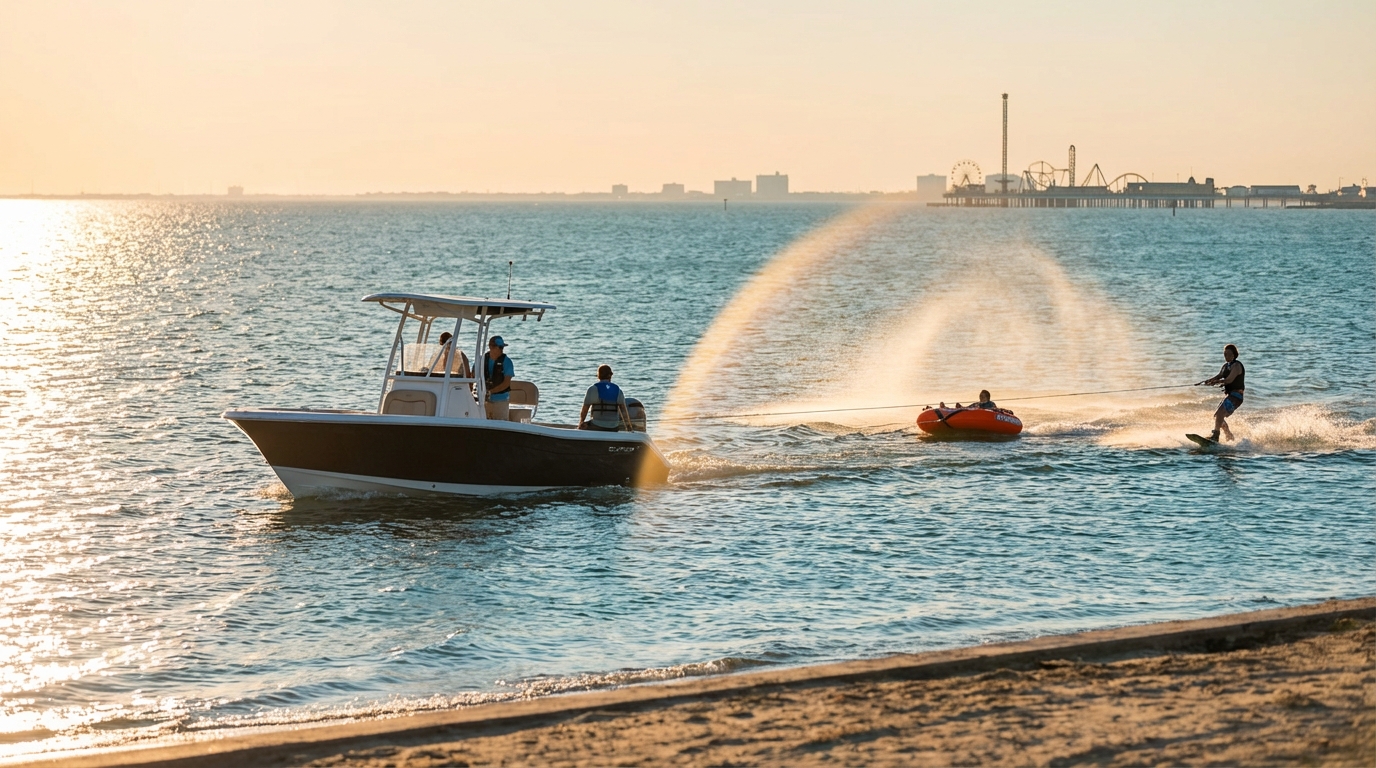
Common Endorsements That Can Make Tow Sports Safer To Insure
Endorsements vary by carrier, but there are a few add-ons Galveston boat owners commonly ask about when they tow riders often. A watersports or towing endorsement may clarify that wakeboarding, tubing, and skiing are permitted uses, reducing ambiguity if a claim happens. Higher liability limits are another practical “endorsement-like” change—tow sports injuries can exceed basic limits quickly, especially if there’s a lawsuit. Medical payments increases can help with urgent care or ER bills without waiting for fault to be sorted out. Some policies offer expanded personal effects coverage or scheduled equipment for higher-value boards and gear, though inflatables and ropes may still be limited. If you have a PWC (jet ski) that tows, make sure the PWC is properly listed and that towing is not excluded for that craft type.
Exclusions That Commonly Trigger Denied Claims: Reckless Operation, Alcohol, And More
Most claim problems come from exclusions tied to behavior and compliance, not the activity itself. Reckless operation is a common theme: excessive speed for conditions, unsafe towing near other vessels, or ignoring navigation rules can lead to coverage disputes. Alcohol or drug impairment is another major red flag; even if a policy doesn’t use the word “excluded” in plain language, impairment can complicate liability and may trigger policy defenses. Unauthorized operator issues are huge in family-and-friends situations—if your policy requires listed operators, an age minimum, or your “permission” to be explicit, a guest taking the helm can become a coverage problem. Finally, equipment issues matter: frayed ropes, improper tow points, missing spotter/observer practices, or towing with an overloaded boat can be used to argue negligence or unsafe operation.
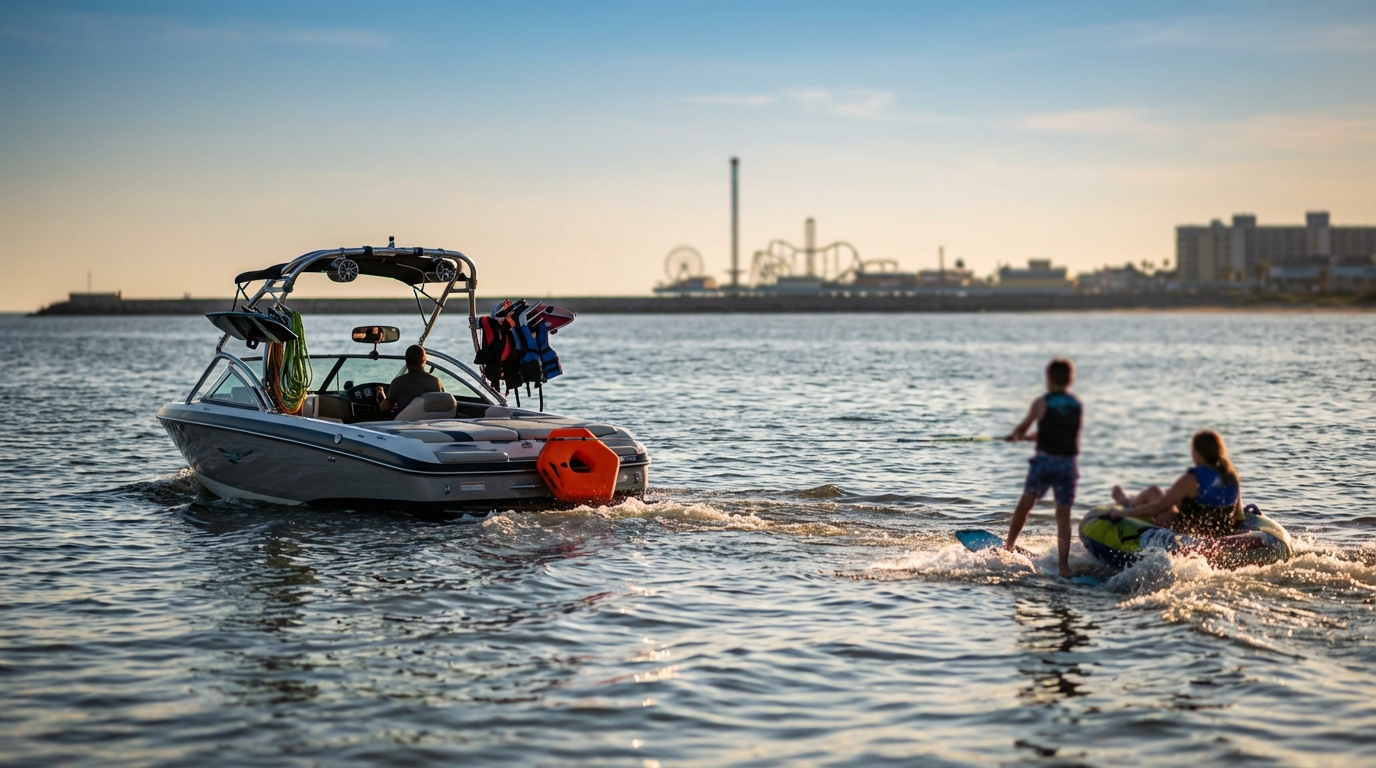
Galveston-Specific Scenarios That Affect Tow Sports Claims
Local conditions can change the risk profile fast. In and around Galveston, traffic can build quickly on peak weekends, and choppy water can make a tube ride go from “easy” to “injury risk” in minutes. If you’re running between areas near Clear Lake, Texas City, or Dickinson, you may encounter different congestion levels, wakes from larger vessels, and visibility challenges. Claims often hinge on whether the operator adjusted to conditions—slowing down, choosing a safer area to tow, and keeping a wide buffer from other boats. Another local factor is guest-heavy boating: visitors or extended family often want a turn driving, especially when launching out of Galveston or meeting friends from League City or Friendswood. If your policy has operator restrictions, that friendly handoff can become the biggest insurance issue of the day.
Buyer’s Checklist For Families And Frequent Guests Who Tow Riders
- Confirm “towing/watersports” is a permitted use: Ask your agent to point to the policy wording or endorsement that allows wakeboarding and tubing.
- Verify operator rules before handing over the helm: Check for listed operator requirements, age limits, licensing/boater education expectations, and whether “occasional operators” are allowed.
- Choose liability limits with tow sports in mind: Higher limits can matter when injuries involve ambulance transport, imaging, or extended rehab.
- Check medical payments coverage: This can help with smaller injury bills quickly, even if fault is unclear early on.
- Review alcohol and reckless operation language: Understand how your policy treats impairment allegations and unsafe operation claims.
- Inspect and document gear condition: Use appropriate ropes, secure tow points, and replace worn equipment; keep receipts for higher-value boards if you want them insured.
- Confirm coverage for the right craft: If towing with a PWC or a second boat, make sure each is properly insured and towing is not excluded for that type.
- Ask about guest liability and household members: Make sure regular drivers in Galveston and nearby areas like La Marque or Santa Fe aren’t accidentally treated as “unlisted” operators.

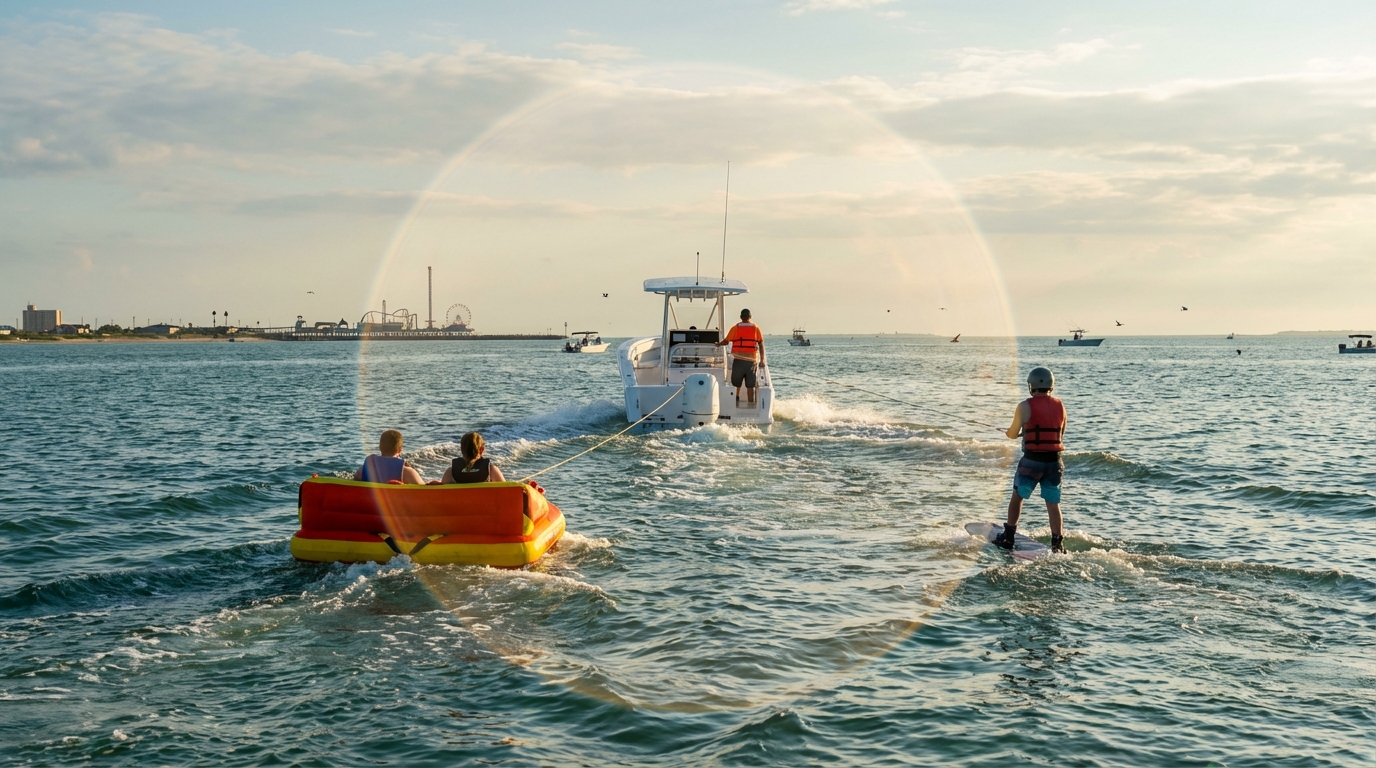
Next Steps: How To Review Your Policy Before Your Next Tow Day
Before your next wakeboarding or tubing day in Galveston, pull your declarations page and endorsements and look for three things: permitted uses (does it clearly allow towing?), operator requirements (who is allowed to drive, and under what conditions?), and liability/MedPay limits (are they realistic for a serious injury scenario?). If anything is unclear, get clarification in writing from your carrier or agent. It’s also smart to think through your “guest plan” ahead of time—who will drive, who will spot, and what rules you’ll enforce about alcohol and safe towing distances. The O'Donohoe Agency works with Galveston-area boaters and can help you compare policy options, endorsements, and limits so your coverage matches how you actually use your boat.
Get A Galveston Boat Insurance Quote That Fits Tow Sports
If you wakeboard or tube with family and friends, we’ll help you check towing permissions, operator rules, and the right liability limits for Galveston waters.
Get My Quote