

Introduction: Why Docking Incidents Get Confusing Fast
A “small” docking mistake in Galveston can turn into a big insurance question in minutes: did you just have a collision claim, or did you create a liability claim? The answer affects which coverage responds, whether you pay a deductible, and how quickly repairs can move forward. With wind, current, weekend traffic, and tight fairways, fender-benders around slips are common—especially when you’re coming in hot, backing down, or dealing with a crosswind. In this guide, we’ll break down collision vs liability in plain language, walk through Galveston-specific examples, and cover what to document right after an incident so your claim doesn’t get slowed down.
Context And Background: What Your Policy Is Really Trying To Cover
Most boat policies separate your protection into two big buckets: damage to your boat (often called physical damage, hull coverage, or including collision) and damage you cause to others (liability). Docking incidents often involve both at the same time—your gelcoat gets scraped and the marina’s cleat gets ripped out, or you nudge a neighbor’s boat and bend your own rail. In Galveston, these claims can be extra messy because marinas may have posted rules, incident reporting requirements, and vendor preferences. The key is understanding ownership: if it’s your boat that’s damaged, you’re usually in collision/physical damage territory; if it’s someone else’s property, you’re usually in liability territory.
Main Point 1: Collision Coverage—When Your Boat Is The One That’s Damaged
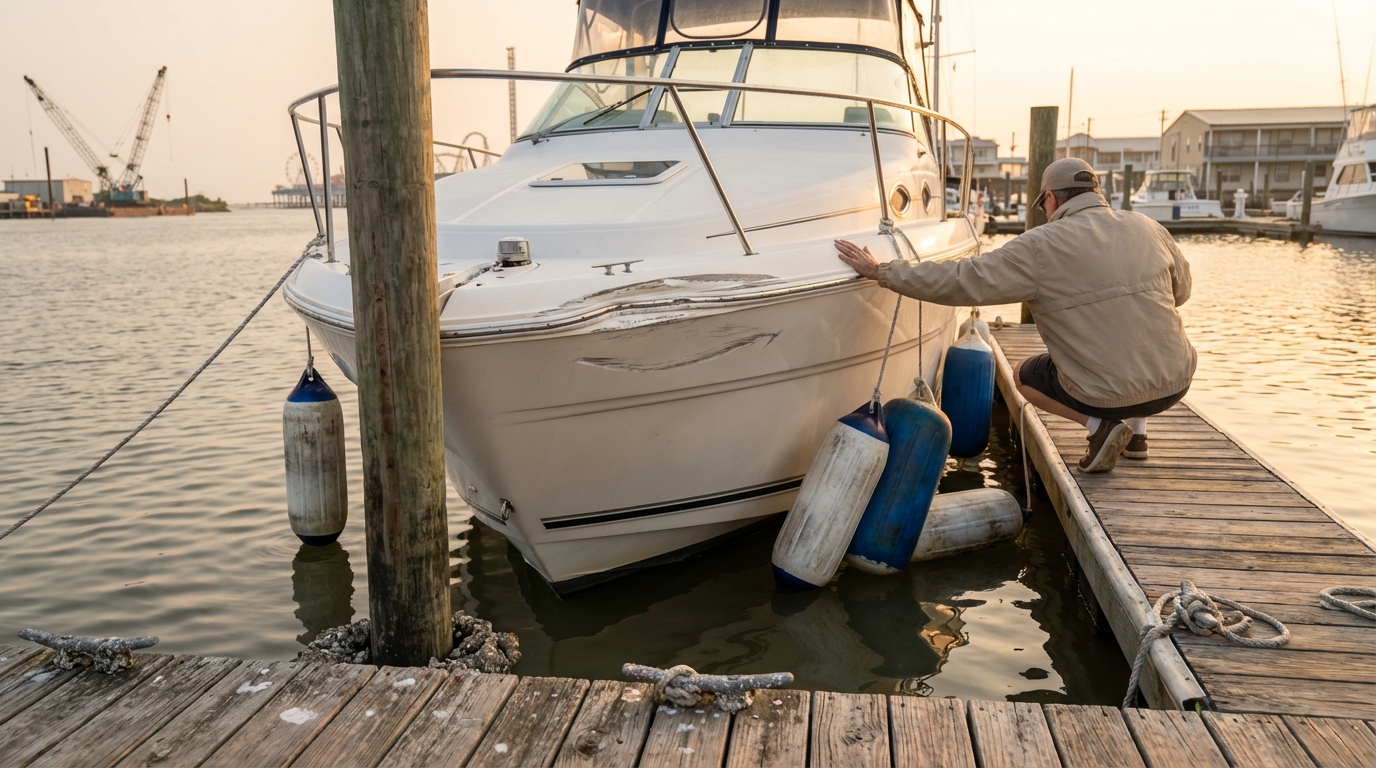
Collision (often part of your hull/physical damage coverage) generally applies when your boat is damaged by impact with another boat or an object—like a dock, piling, bulkhead, or even the marina’s fuel dock structure. Example: you’re docking in Galveston, a gust pushes your bow off line, and your starboard side rubs hard against a piling, cracking gelcoat and bending a stanchion. Your boat’s repairs are typically handled under your physical damage coverage, subject to your deductible. Another example: you bump a neighbor’s boat and your own outdrive or prop takes the hit. Your repairs are still “your boat,” which is the collision/physical damage side, even though the incident involved another vessel.
Main Point 2: Liability Coverage—When You Damage The Dock, The Marina, Or Another Boat
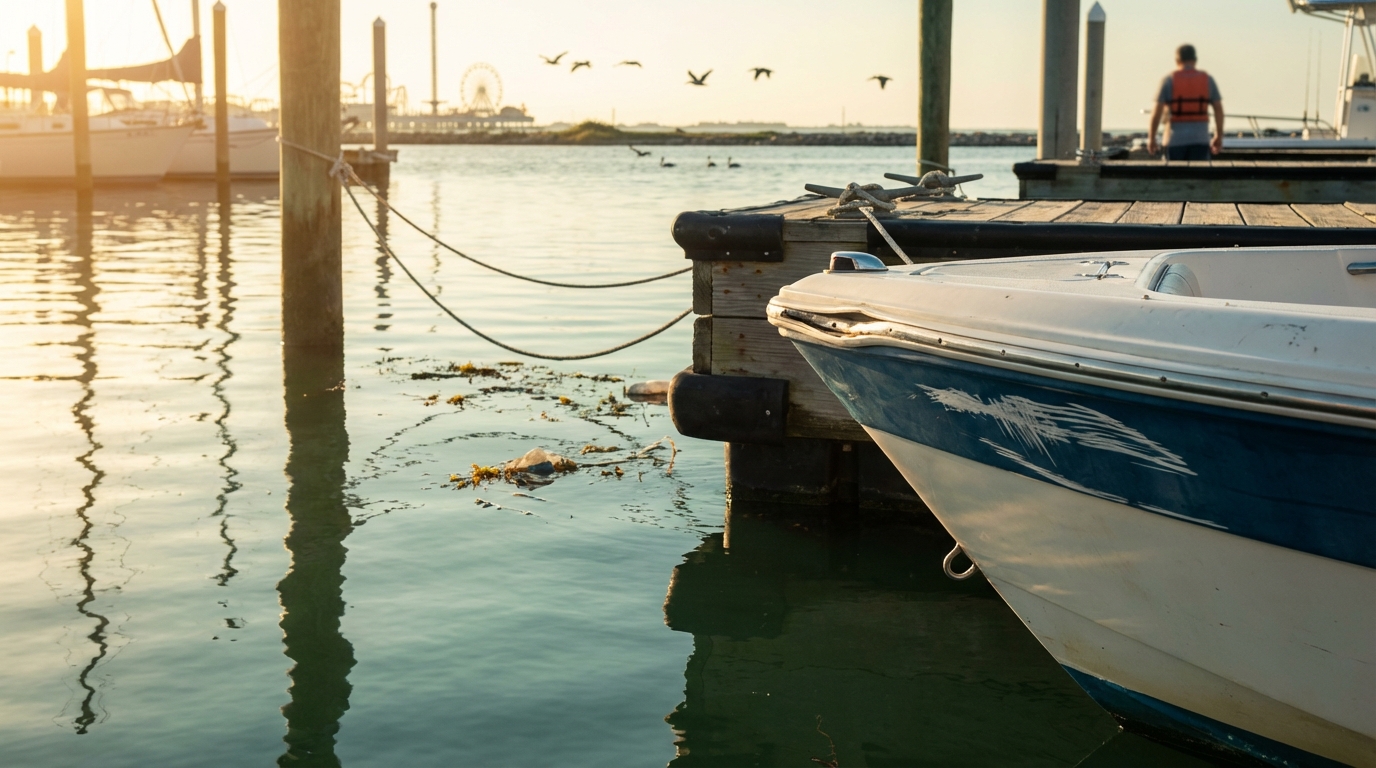
Liability coverage generally applies when you’re legally responsible for damage to someone else’s property or injuries to others. In a Galveston marina, that “someone else” might be the dock owner, the marina operator, or another boat owner. Example: you come in too fast, your stern swings, and you snap a dock cleat or damage electrical pedestals. That’s typically a property damage liability claim because the dock equipment isn’t yours. If you scrape another boat’s hull, tear their canvas, or crack their rub rail, your liability coverage is the part that usually pays for their repairs (up to your policy limit). This is also where “defense” matters: if there’s a dispute about fault or the marina alleges negligence, liability coverage often includes legal defense costs, depending on the policy.
Main Point 3: How Deductibles And Limits Usually Apply In Real Docking Claims
A practical rule of thumb: deductibles commonly apply to your boat’s physical damage, while liability typically pays third-party damage up to your limit without a deductible (policy specifics vary, but that’s the common structure). So if you ding your hull and also dent the dock’s edge trim, you could have two tracks: your repairs under physical damage with your deductible, and the dock repairs under liability up to your property damage limit. Limits matter more than most boaters realize in busy areas like Galveston and Clear Lake, where a single misjudged approach can involve multiple boats, expensive dock infrastructure, or injuries on the dock. It’s worth checking that your liability limit realistically matches the marina environment you use most often.
Local Relevance: What To Expect In Galveston Marinas After An Incident
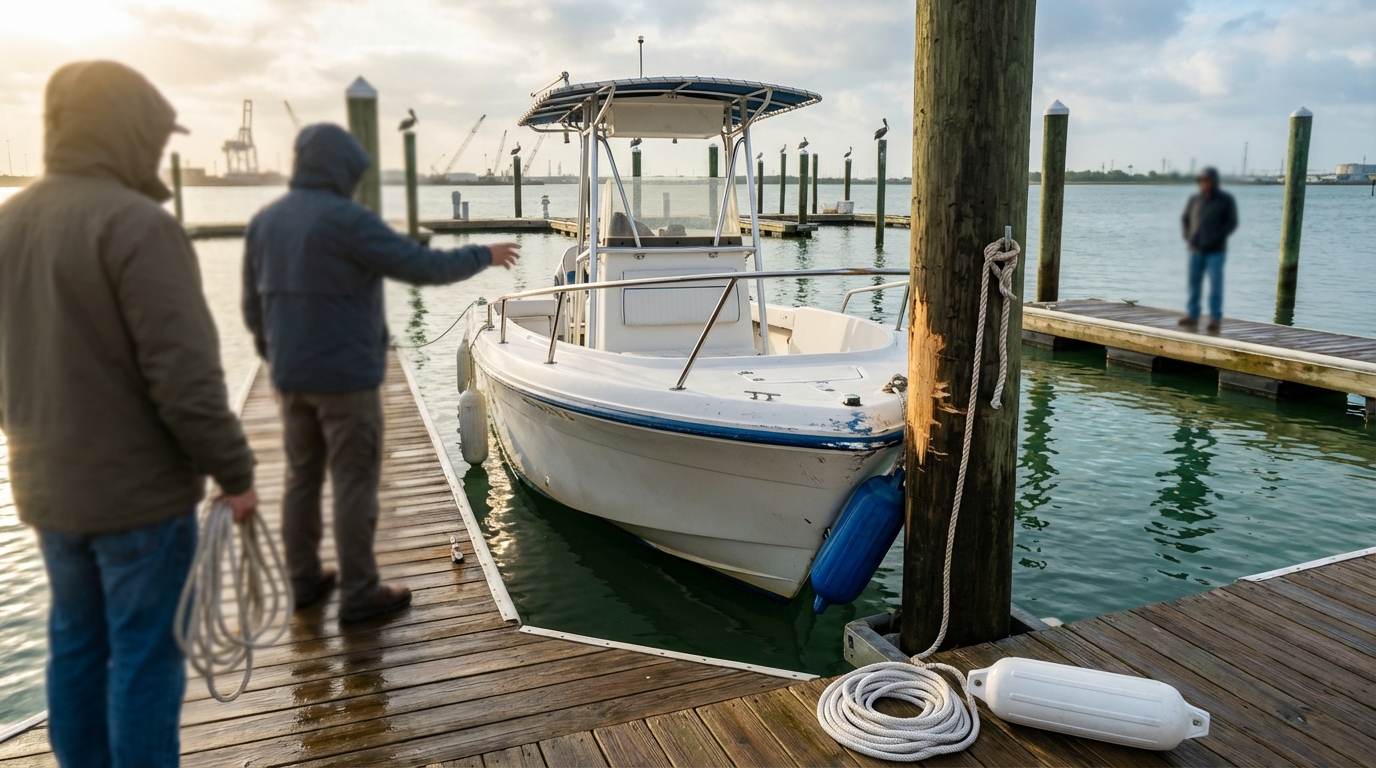
In Galveston, a docking incident can quickly become a documentation exercise, especially if it happens near a fuel dock, a busy fairway, or during a windy afternoon. Many marinas will want an incident report, photos, and contact details for everyone involved. If a dock, piling, or pedestal is damaged, expect the marina to secure the area and arrange repairs—sometimes through specific vendors—then seek reimbursement through insurance. If another boat is involved, you’ll want to exchange information calmly and avoid admitting fault on the spot; just document what happened. Nearby boaters from Texas City, League City, Dickinson, La Marque, Santa Fe, Friendswood, and Clear Lake often run into the same issues: tight slips, crosswinds, and weekend congestion that can turn a routine docking into a claim-worthy event.
Key Takeaways After A Docking Fender-Bender In Galveston
- Identify what was damaged and who owns it: your boat damage usually points to physical damage/collision; dock or other boat damage usually points to liability.
- Photograph everything before moving if safe: wide shots of the slip area plus close-ups of impact points, rub marks, broken cleats, and any dock hardware involved.
- Capture conditions that explain the incident: wind direction, tide/current feel, traffic in the fairway, and any mechanical issues (like throttle or steering problems).
- Exchange information without debating fault: names, phone numbers, boat registration/HIN if available, and insurance details for all involved parties.
- Notify the marina promptly and keep copies: incident report, emails, repair estimates, and any security camera references (ask if footage exists and how long it’s retained).
- Protect your claim timeline: report to your insurer quickly, keep damaged parts if replaced, and don’t authorize major repairs until your adjuster gives guidance.

Next Steps: Get Your Coverage Checked Before The Next Docking Day
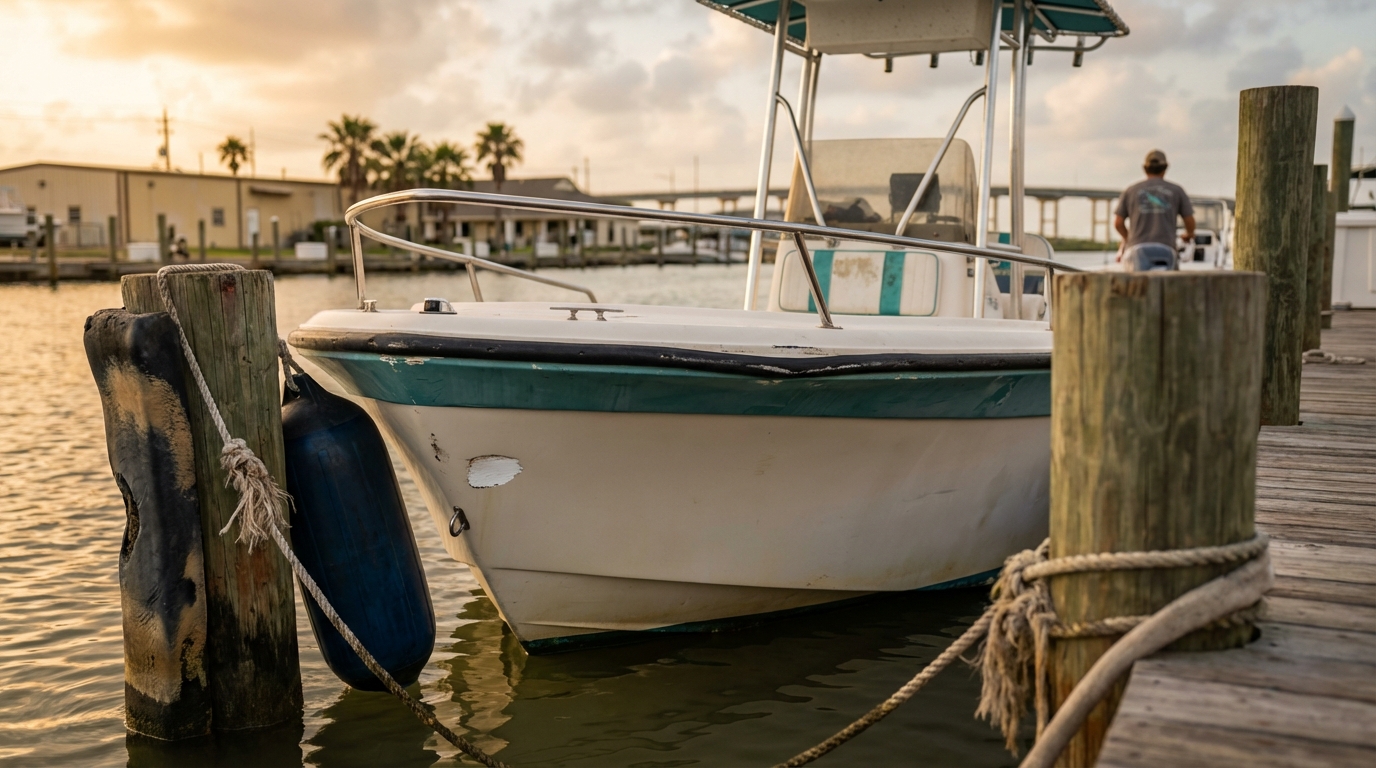
If you boat in and around Galveston regularly, it’s smart to review your policy with a “docking incident” mindset: confirm your physical damage coverage and deductible, verify your liability limits for marina property and other boats, and ask how claims work when both coverages are triggered in the same event. Also confirm any requirements your marina may have (some want specific liability limits or additional insured wording). The O'Donohoe Agency helps Galveston boaters compare options and set coverage that matches how and where you actually use your boat—whether you’re mostly in Galveston slips or running over toward Clear Lake. A quick review now can prevent surprises later when you’re trying to get repairs scheduled and back on the water.
Want Help Sorting Collision Vs Liability On Your Policy?
Tell us where you keep your boat in Galveston and how you use it, and we’ll help you line up deductibles and liability limits that make sense for local marina risks.
Get My Quote