Hull Coverage for Texas City Residents
Hull Coverage is the part of a boat insurance policy designed to help pay for repairing or replacing your boat after a covered physical loss. For Texas City boat owners, that often means protection for real-world situations like docking mishaps at marinas near the Texas City Dike, damage from floating debris after a storm in Galveston Bay, or a collision in busy channels where recreational and commercial traffic mix. Hull coverage isn’t one-size-fits-all: the best setup depends on your boat’s value, how often you run to Galveston or Clear Lake, and whether you keep the boat in a slip, on a lift, or on a trailer.
Why Texas City Needs Hull Coverage
Texas City’s boating environment can be tougher on equipment than many inland areas. Strong winds and fast-changing weather off the Gulf can turn a routine afternoon into rough water quickly, increasing the odds of impact damage, swamping, or dock contact. The Texas City Dike area is popular and can be crowded during weekends and events, which raises the chance of low-speed collisions and fender-to-fiberglass scrapes. Local industrial activity and ship traffic around the bay can also contribute to wake-related damage and floating hazards. Hull coverage helps you plan for these higher-frequency, higher-cost risks that come with coastal boating.
What’s Covered (and How It Applies Locally)
Hull coverage typically applies to physical damage from perils such as collision with another boat, striking a submerged object, fire, theft, vandalism, and many weather-related events. In Texas City, common examples include gelcoat and rub-rail damage from tight marina maneuvering, lower-unit damage from shallow or debris-filled areas after storms, and electronics loss after water intrusion. Many policies can also include coverage for attached equipment (like permanently installed navigation systems) and may be extended to cover the trailer or certain personal effects if scheduled. The key is matching your coverage form and limits to your boat’s true replacement needs in today’s market.
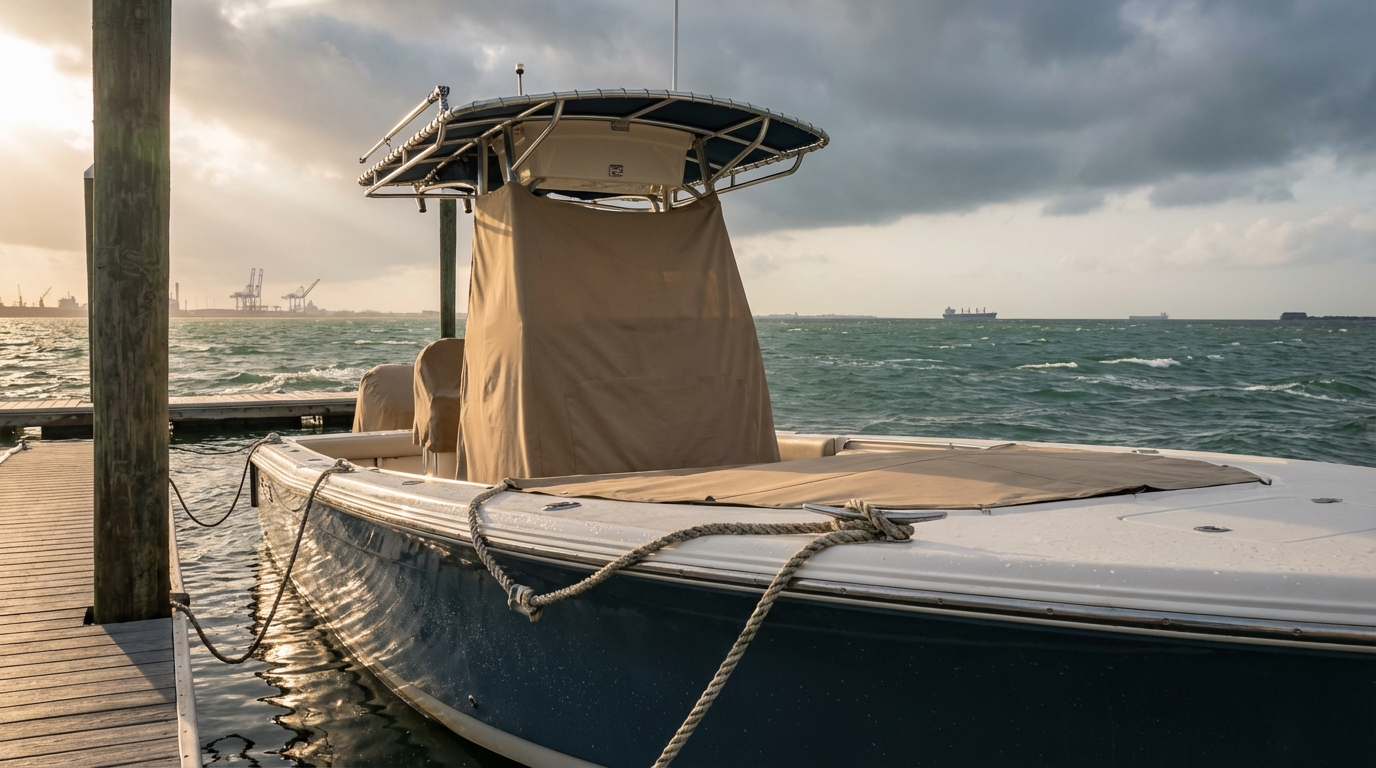
Key Hull Coverage Benefits for Texas City Boat Owners
- Helps pay for repairs after collisions and dock damage common around busy ramps and slips
- Protection for storm-related physical damage, including wind-driven impacts and debris
- Options for agreed value or actual cash value to fit newer boats vs older rigs
- Coverage can be tailored for boats kept at marinas, on lifts, or trailered at home
- Helps protect installed equipment like electronics and motors when properly listed
- Deductible choices to balance premium cost with out-of-pocket comfort
Texas City Coverage Costs and Factors
Hull coverage pricing in Texas City is influenced by coastal exposure and how you store and operate your boat. Insurers commonly look at the boat’s value, type (center console, bay boat, pontoon, PWC), horsepower, and age, plus where it’s kept—slip storage near the water can price differently than trailering. Your cruising area matters too: regular runs on Galveston Bay and toward the Gulf can carry different risk assumptions than inland-only use. Deductibles, agreed value vs actual cash value, prior claims, safety equipment, and whether you have a hurricane or named-storm deductible can all move the premium. A local review helps avoid paying for the wrong limits or leaving critical gaps.
Filing a Claim in Texas City
If you have damage in Texas City, start by documenting the scene safely: take photos of the hull, motor, electronics, and any other involved property, and note the location (for example, near the Texas City Dike, a specific marina, or a ramp). If another operator is involved, exchange contact and insurance information and gather witness details when possible. Mitigate further damage—secure the boat, cover exposed areas, and prevent water intrusion if you can do so safely. Then report the claim promptly and keep receipts for emergency steps like hauling out, temporary patches, or towing. The O'Donohoe Agency in Galveston can help you understand what the carrier needs and keep the claim moving with clear repair estimates and documentation.
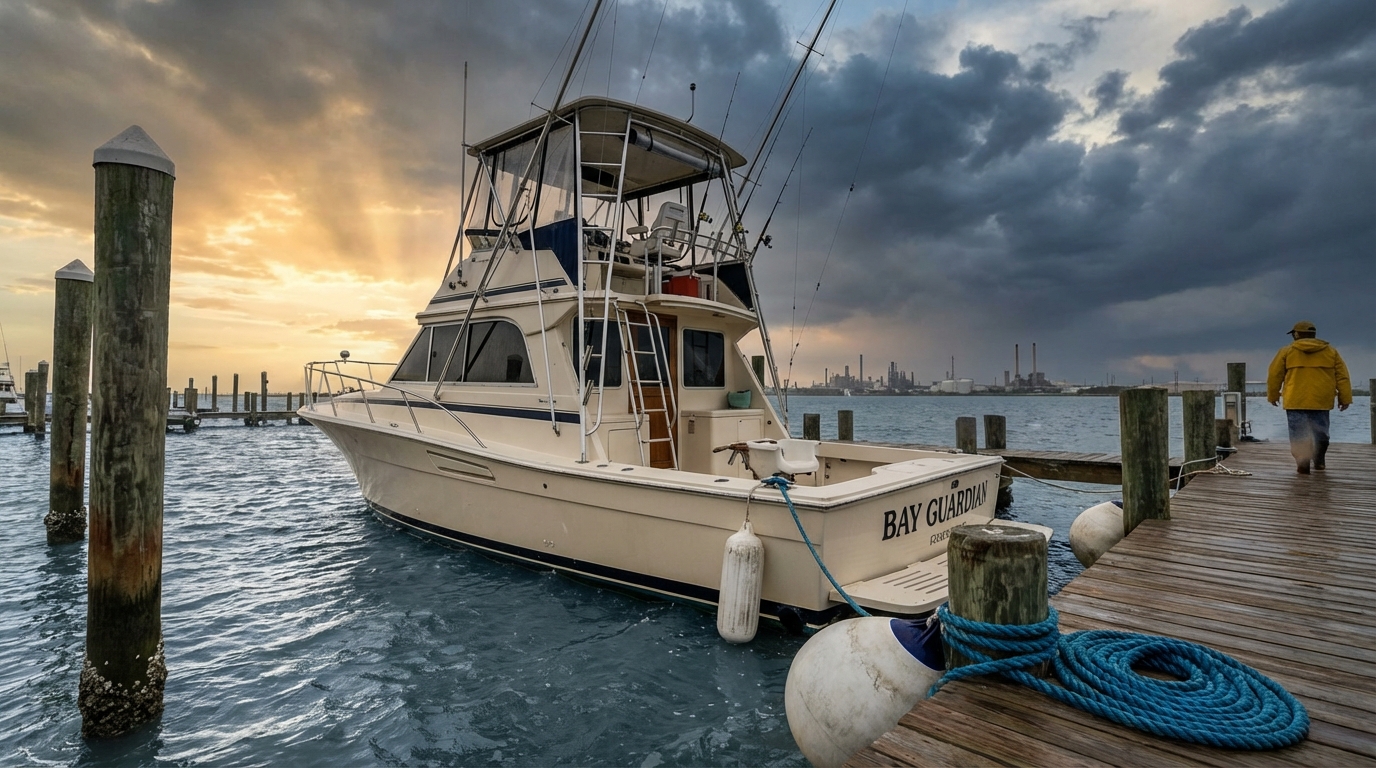
Common Coverage Gaps Texas City Boat Owners Overlook
A frequent gap is underinsuring the hull value—especially after upgrades like electronics, repower work, or custom T-tops—so a claim settlement may not match what it would cost to get back on the water. Another common issue is misunderstanding agreed value versus actual cash value: depreciation can be significant on certain boats and motors. Texas City owners also run into limitations around named storms, haul-out requirements, or storage rules during hurricane threats, which can affect deductibles and claim outcomes. Trailer coverage is another missed item if the boat is frequently launched at local ramps. Finally, some policies limit coverage for personal gear unless scheduled, which matters for rods, tackle, and other high-value equipment.
Getting Started with The O'Donohoe Agency
Getting hull coverage set up for Texas City starts with a quick review of how you use your boat: where it’s stored (slip, lift, driveway), how often you run the bay, and whether you make trips toward Galveston or Clear Lake. From there, we’ll confirm the hull value approach (agreed value or actual cash value), select deductibles that make sense for coastal risks, and make sure key equipment is properly included. Because Texas City is close to our home base in Galveston, The O'Donohoe Agency can help you compare options efficiently and explain the fine print that matters locally—like storm deductibles and storage requirements—so you can choose coverage confidently.
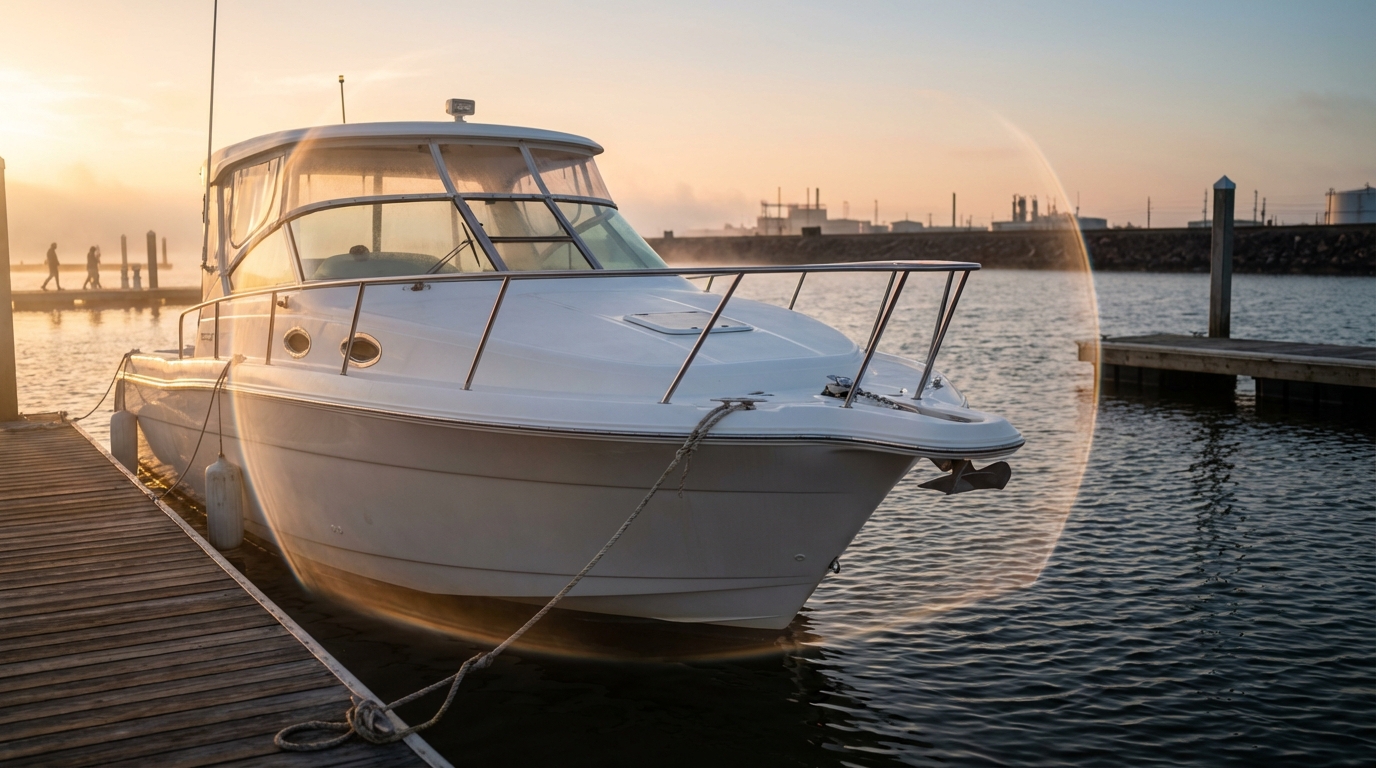
Get a Hull Coverage Quote for Texas City
Tell us about your boat and how you use Galveston Bay. We’ll help you find hull coverage that fits Texas City risks, storage, and budget.
Get My QuoteFrequently Asked Questions
Costs vary based on boat value, type, age, horsepower, storage (slip vs trailer), deductibles, and storm-related provisions. Because Texas City is a coastal area near Galveston Bay, premiums can be influenced by wind and hurricane exposure. The fastest way to estimate accurately is to quote with your boat details, storage address, and typical cruising area.
No. Liability coverage helps with injuries or property damage you cause to others. Hull coverage is for physical damage to your own boat (and sometimes attached equipment) from covered events like collisions, theft, fire, or storm damage. Many Texas City boaters carry both because bay traffic and marina activity can create exposures on both sides.
Agreed value generally pays the amount you and the insurer agree to upfront (subject to the policy terms), while actual cash value typically accounts for depreciation at the time of loss. If you have a newer boat or have invested in upgrades used frequently on Galveston Bay, agreed value can reduce surprise depreciation. Actual cash value can cost less but may leave a bigger gap after a major loss.
Some policies apply a separate deductible when damage is tied to a named storm, which can be a percentage of the insured value rather than a flat amount. In a coastal community like Texas City, that difference can materially change out-of-pocket costs after a hurricane or tropical storm. Reviewing these deductibles—and any haul-out or storage requirements—before storm season helps prevent claim surprises.
In many cases, yes—dock impacts, slip-related damage, and certain vandalism or theft scenarios can be covered, depending on policy terms and exclusions. Because docking incidents are common in crowded areas like the Texas City Dike on busy weekends, it’s smart to confirm how your policy treats low-speed collisions, fender damage, and damage caused by other boats’ wakes.
Related Coverage
Explore other coverage options
Get a Free Quote
Fill out the form below and we'll connect you with the right coverage options.
Coverage Options Near Texas City
Explore the same coverage type in nearby areas.